OpenAI Reportedly Buys Glass Imaging for $300M to Power AI Camera Hardware
Published by AINave Editorial • Reviewed by Ramit
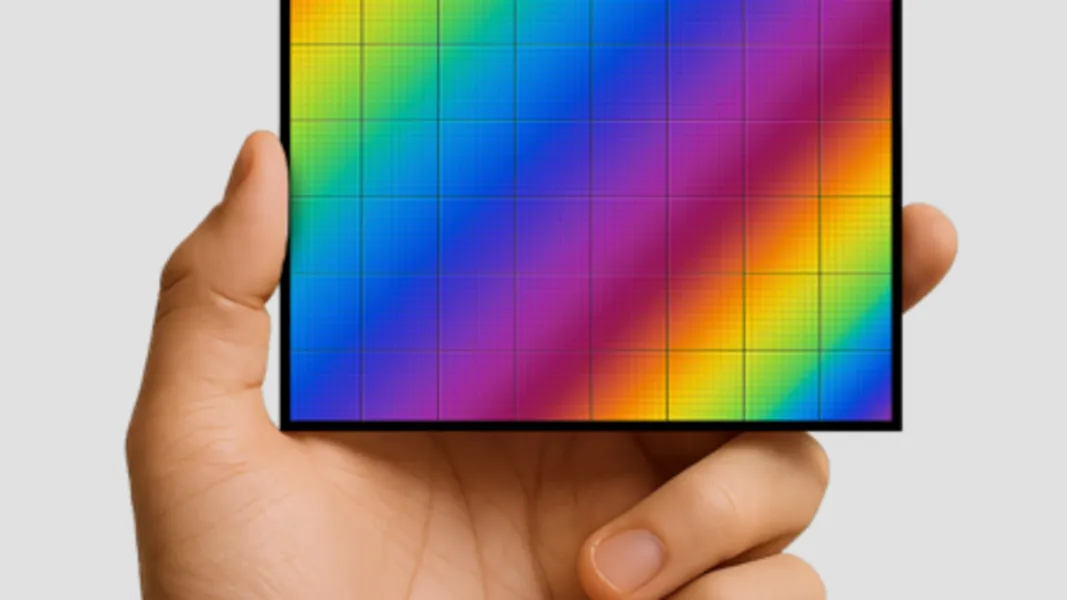
OpenAI has acquired Glass Imaging, a startup developing AI-powered smartphone camera software, in a deal valued at over $300 million, according to reports from The Wall Street Journal and TechCrunch. The acquisition is widely seen as a strategic move to bring AI-driven camera enhancements into OpenAI's broader device plans, which include an ongoing collaboration with Jony Ive on a family of consumer devices.
What OpenAI Acquired: Glass Imaging and Its AI Camera Tech
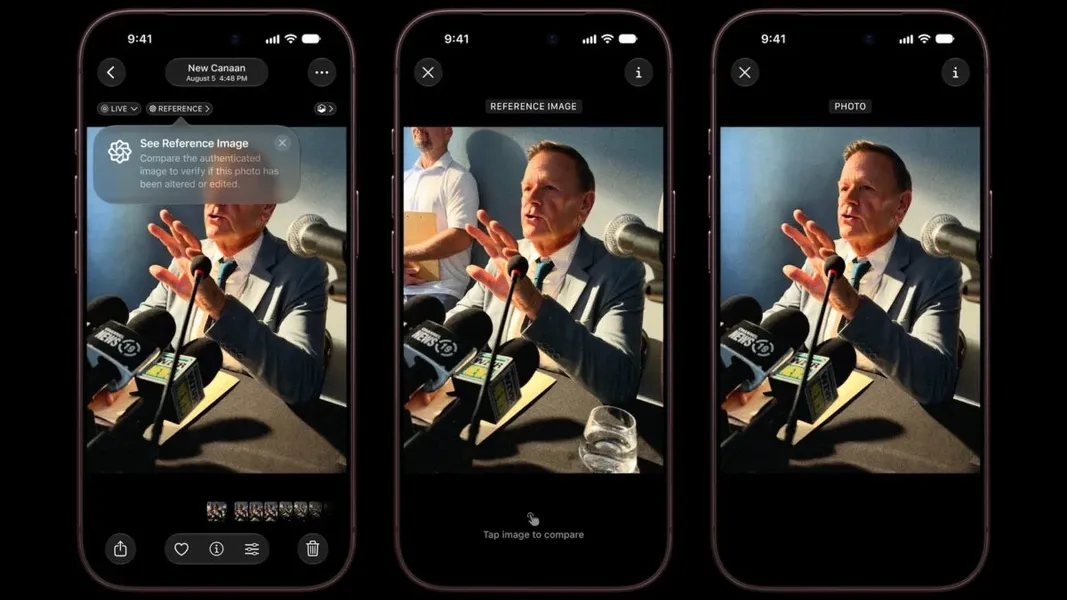
Glass Imaging, founded in 2019 by former Apple engineers Ziv Attar and Tom Bishop, focuses on using neural networks to improve smartphone camera image quality, aiming for DSLR-like results from small phone sensors. The startup was valued at roughly $100 million in a 2025 funding round before OpenAI's reported deal pushed the price above $300 million. Glass Imaging's technology runs on-device, processing images through AI models rather than relying solely on optical hardware upgrades.
Why This Matters for AI Builders
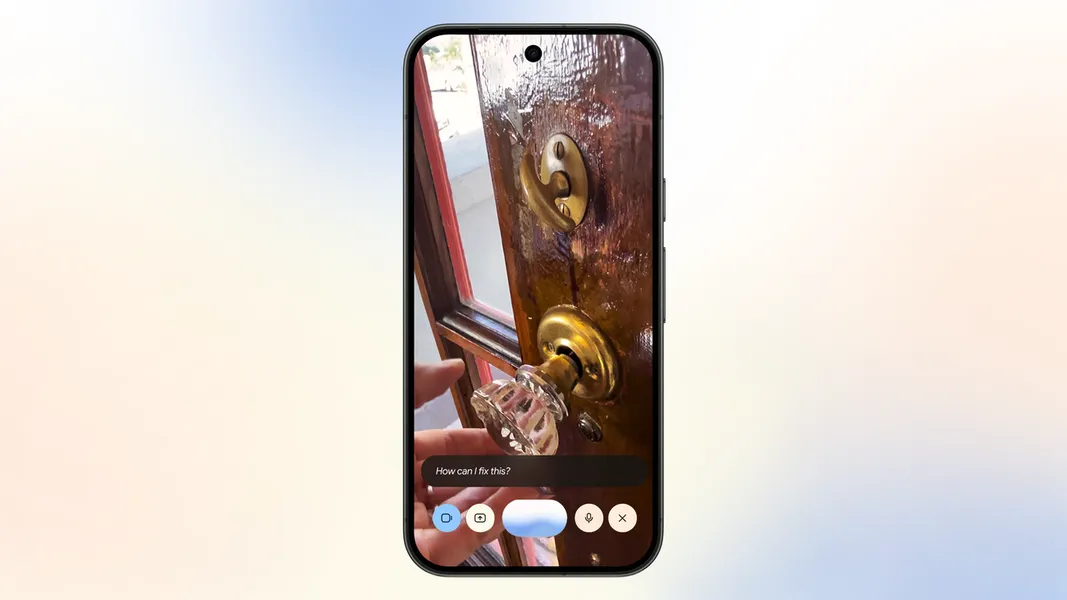
For AI builders, the clearest signal from this deal is OpenAI's stated intent to own the full hardware stack. If OpenAI integrates Glass Imaging's on-device AI camera pipeline into its upcoming devices, it could offer a tightly controlled inference environment for vision tasks, reducing latency and improving privacy compared to cloud-only approaches. Developers building apps that rely on camera input, such as document scanners, object detectors, or AR overlays, may find OpenAI offering SDKs or APIs optimized for its hardware pipeline. The move also reinforces the trend of AI companies competing at the device layer, not just as API providers.
Practical Implications for Product Teams
Product teams should watch for shifts in how on-device AI camera features affect app design and user privacy. An AI camera that processes images locally before sending them to the cloud could reduce the data governance burden for developers handling sensitive visual data. If OpenAI later releases an SDK for its camera stack, it could change the economics of computer vision features on mobile, especially for use cases where latency and bandwidth matter. However, no SDK or product roadmap has been announced, and integration plans remain unconfirmed.
Unanswered Questions and Deal Uncertainty
The reported deal value and strategic rationale come entirely from third-party sources, as OpenAI has not officially confirmed the acquisition or its plans for Glass Imaging's technology. The exact product roadmap, timeline, and whether the technology will be exclusive to OpenAI's own devices or licensed broadly are unknown. Until official details emerge, builders should treat this as a directional signal rather than a concrete platform change.
FAQs
Sources
- OpenAI Said to Buy Startup Glass Imaging for $300 Million
- OpenAI buys smartphone camera maker Glass Imaging for $300 ...
- OpenAI’s $300 million Glass Imaging deal signals ... - Mint
- OpenAI Buys AI Camera Startup For Over $300M, Says Report ...
- OpenAI acquires smartphone camera maker Glass Imaging for ...
- OpenAI acquires Glass Imaging in deal valued over $300M
- OpenAI acquires smartphone camera maker Glass Imaging founded by former Apple employees: Report
- OpenAI Accelerates Device Plan With AI Camera Tech Acquisition
- ChatGPT creator OpenAI buys smartphone camera maker in $300m deal
- OpenAI Buys Glass Imaging for $300M in Bold AI Camera Move
- OpenAI reportedly buys AI camera startup Glass Imaging for more than $300M - SiliconANGLE
- OpenAI reportedly acquires AI camera startup Glass Imaging for more than US$300M
- Market Chatter: OpenAI Acquires Camera Startup Glass Imaging
- OpenAI acquires startup Glass Imaging for $300M | LinkedIn
- OpenAI buys camera-AI startup Glass Imaging in $300M deal