OpenAI buys Glass Imaging to push DSLR-quality smartphone imaging
Published by AINave Editorial • Reviewed by Ramit
OpenAI quietly acquired Glass Imaging, a startup whose AI software trains per-camera neural networks to improve smartphone image quality, in a deal valued at over $300 million according to the Wall Street Journal. The acquisition signals that OpenAI is investing in the camera pipeline for its upcoming hardware devices, a move that matters for builders working on on-device AI, vision agents, and edge inference.
OpenAI quietly acquires Glass Imaging for over $300 million
The deal was completed in recent months without a public announcement from either company. Glass Imaging, founded in 2019 by former Apple engineers Ziv Attar and Tom Bishop, is based in Los Altos, California, and had raised about $30 million from investors including GV and LDV Capital. A funding round last year valued the company at roughly $100 million, meaning OpenAI paid more than three times that.
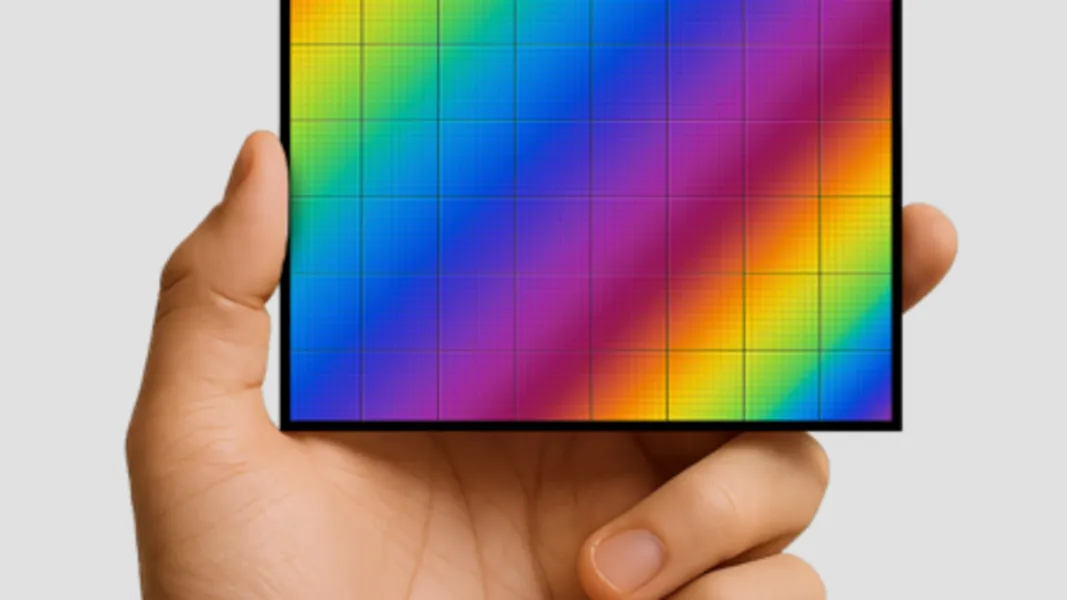
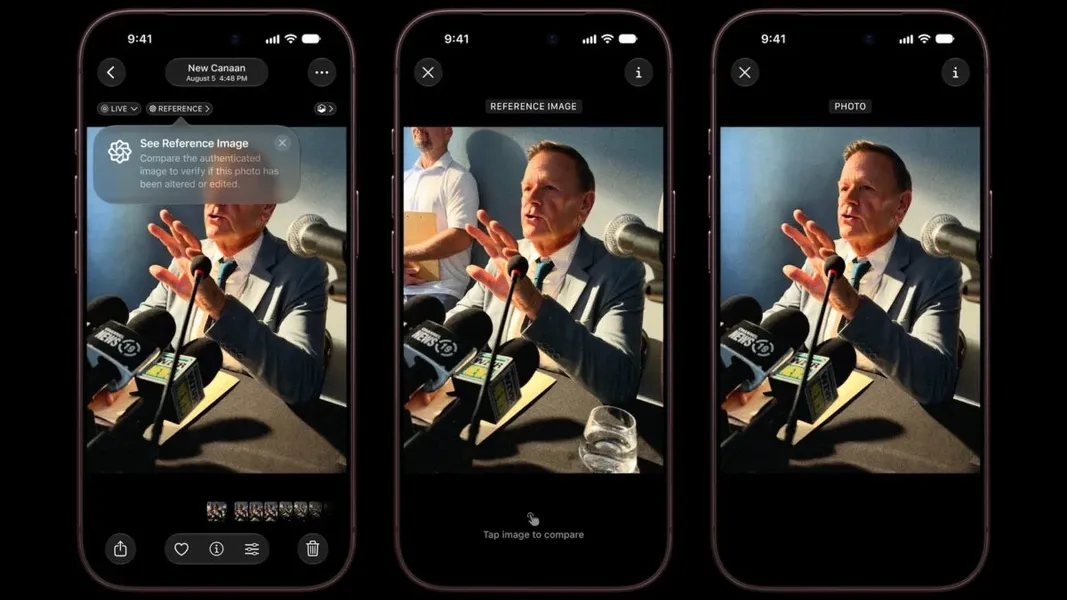
Glass Imaging's core technology, GlassAI, trains a custom neural network for each camera system to reverse lens aberrations and sensor imperfections. Crucially, the processing happens at the moment the shutter fires, not as a post-processing step. The company cites DXOMARK tests on the Motorola Edge 40 Pro and reports that Honor already uses its technology in phones.
Why per-camera neural networks are a builder-relevant technology
For AI builders, Glass Imaging's approach is a practical case study in model specialization for hardware constraints. Instead of using a generic image enhancement model, they train a separate network per camera module, accounting for the specific lens optics, sensor noise, and color science. This improves output quality without requiring more expensive hardware.
This matters if you are building AI products that rely on camera input for computer-use agents, visual QA, augmented reality, or document scanning. The acquisition suggests OpenAI may integrate this per-camera calibration into its own devices, which could lead to better out-of-the-box image quality for AI workloads.
What this means for OpenAI's hardware strategy and your AI products
OpenAI has been assembling hardware capabilities for years. It bought Jony Ive's device startup io for $6.5 billion in 2025, and president Greg Brockman confirmed the company is building a family of devices. Reports indicate a screen-free smart speaker due later this year, as well as an AI-centric phone and earbuds. Glass Imaging adds imaging talent and IP that could be critical for any camera-equipped product.
From a builder's perspective, this is a signal that AI companies are vertically integrating into hardware to control the sensor-to-inference pipeline. If you ship AI that depends on camera input, expect tighter hardware-software integration from major players. That could reduce the need to handle per-device calibration yourself, but it also means relying on a closed stack.
What remains unclear
Neither OpenAI nor Glass Imaging have officially confirmed the acquisition or its terms. All details come from WSJ reporting and secondary sources. How the technology will be used inside OpenAI is speculative. Pricing benchmarks and performance claims come from Glass Imaging's own materials and DXOMARK, not from independent AI builders. The deal value and structure may also differ from reports.
For now, the most concrete takeaway is that OpenAI is serious about controlling image capture at the hardware level, and builders should watch for how that capability integrates into future devices and APIs.
FAQs
Sources
- OpenAI buys camera startup Glass Imaging for over $300m, WSJ reports
- OpenAI Buys Startup Developing Smartphone Camera
- OpenAI Buys AI Camera Startup For Over $300M, Says Report ...
- OpenAI buys smartphone camera maker Glass Imaging for $300 ...
- OpenAI acquires Glass Imaging camera startup for $300 million
- OpenAI buys AI camera startup ahead of mystery gadget launch
- OpenAI acquires smartphone camera maker Glass Imaging founded by former Apple employees: Report
- OpenAI acquires smartphone camera startup Glass Imaging for more than $300M
- OpenAI Said to Buy Startup Glass Imaging for $300 Million
- OpenAI's $300 million camera bet: ChatGPT owner reportedly buys former Apple engineers' camera startup
- Google News - Report: OpenAI buys camera startup Glass Imaging...
- OpenAI buys former Apple’s engineers’ startup for over $300M as it...
- OpenAI buys AI camera startup ahead of mystery gadget launch
- OpenAI Acquires Glass Imaging for $300M AI Camera Tech
- OpenAI acquires startup Glass Imaging for $300M | LinkedIn