DeepSeek engineer breaks with AI safety pacing consensus, backs open models
Published by AINave Editorial • Reviewed by Ramit
DeepSeek engineer Liu Shengyu, credited with work on the company's V4.1 models, went public this week with a sharp critique of Anthropic and OpenAI's recent appeals for measured AI development. "I especially don't want Anthropic to master the most advanced artificial intelligence or AGI," he wrote, arguing that he does not trust the two labs to make cutting-edge AI "open and affordable." The remarks are the latest sign that the open-source versus proprietary debate is no longer just a licensing squabble: it is now a central fault line in how AI builders think about risk, transparency, and vendor dependence.
The immediate trigger is the so-called pacing debate. Several influential researchers and executives at Anthropic and OpenAI have publicly argued that AI development is moving too fast and that safety requires deliberate, controlled release cycles. Liu's response frames that call as a cover for keeping powerful models behind closed doors. For builders, the practical question is not whose rhetoric lands better, but whether the models they depend on will remain auditable, modifiable, and affordable under either approach.
Why the openness split matters for model sourcing
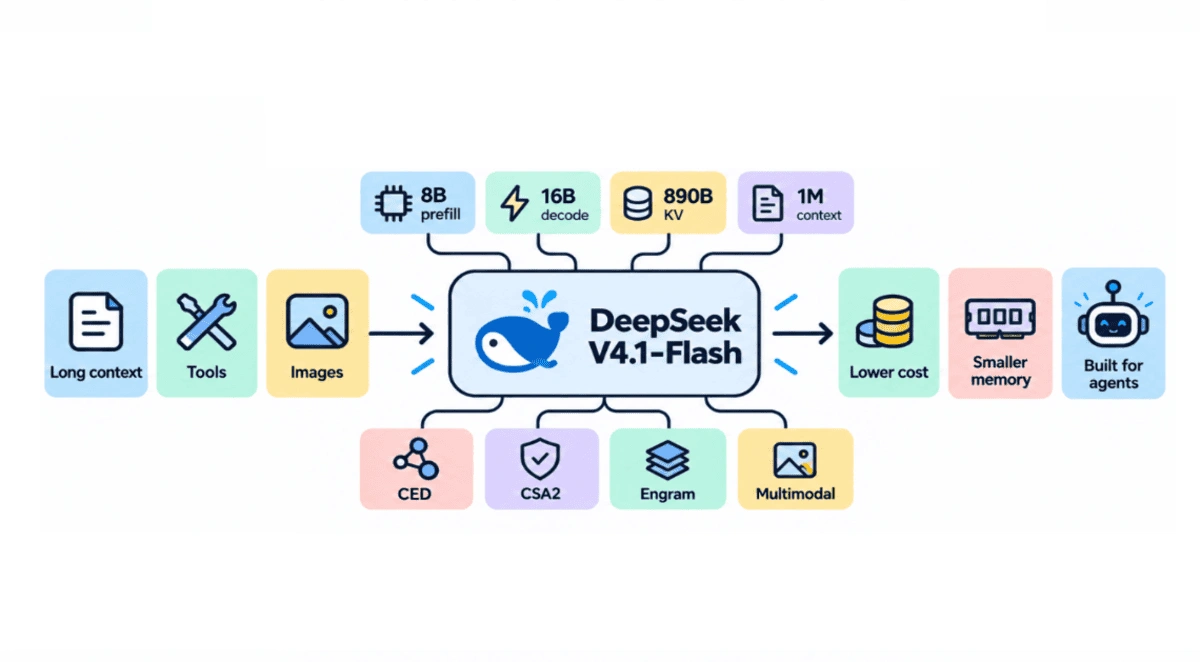
DeepSeek has built its reputation on releasing open-weight models, including the V4.1 series, that anyone can download, inspect, and fine-tune. That stands in contrast to the API-only, access-controlled strategies of Anthropic and OpenAI, where the underlying weights are never published and usage is governed by restrictive policies. Liu's statement makes explicit what many builders already sense: the choice between open and closed models carries trade-offs in control, cost, and accountability. Open models let a team verify behavior, customize for specific tasks, and avoid vendor lock-in, but they also shift security and compliance responsibility to the user. Closed models offer convenience and built-in safety layers, but limit deep inspection and make the user dependent on the provider's priorities and pricing.
Practical shifts for builders
For teams building AI products today, Liu's critique reinforces a few concrete considerations. First, if your application requires strong guarantees about data privacy or model behavior, an open-weight model like DeepSeek V4.1 may offer more transparency than a proprietary API, though you will need to manage the infrastructure yourself. Second, the pacing debate can influence which vendors you trust for long-term deployment. An open-source model you control does not change its rules when a company's governance stance shifts; a proprietary API can. Third, the rhetorical escalation makes it harder to ignore governance as a factor in vendor selection. Whether you lean open or closed, understanding the model's provenance and the company's stance on transparency becomes part of reasonable due diligence.
Limitations of this report
This analysis rests on a single public statement from one DeepSeek engineer, reported by the South China Morning Post. No independent verification of the quote, Liu's official role, or the company's broader stance beyond this post is available in the source material. The term "pacing" is used by the article but its precise definition in this context remains loose. Builders should treat Liu's remarks as one data point in a larger, ongoing conversation rather than a settled position.
What this means for your next decision
The deepest takeaway is not about which side is right. It is that the AI industry now has two competing visions for how progress should happen, and those visions have direct consequences for the models you can run, audit, and rely on. If your workload demands transparency and long-term independence, open-weight models deserve a serious trial. If you value convenience and built-in safety guardrails, the proprietary APIs remain strong options. The split is real, and ignoring it means letting someone else decide your risk profile.