Samsung-backed AI chip startup pitches non-GPU path to lower-energy inference
Published by AINave Editorial • Reviewed by Ramit
Samsung co-led a 200 million euro Series A for Dutch AI chipmaker Euclyd, which is designing inference hardware with a non-GPU architecture. The company claims its integrated processor-memory systems can cut energy costs in AI data centers, but the silicon won't ship until 2028 and has not yet been proven at scale.
A non-GPU architecture for inference
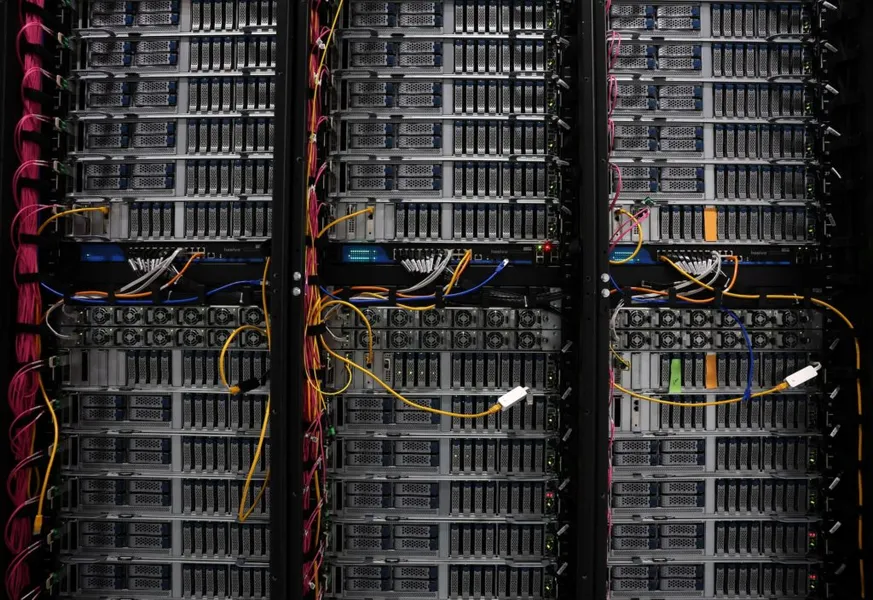
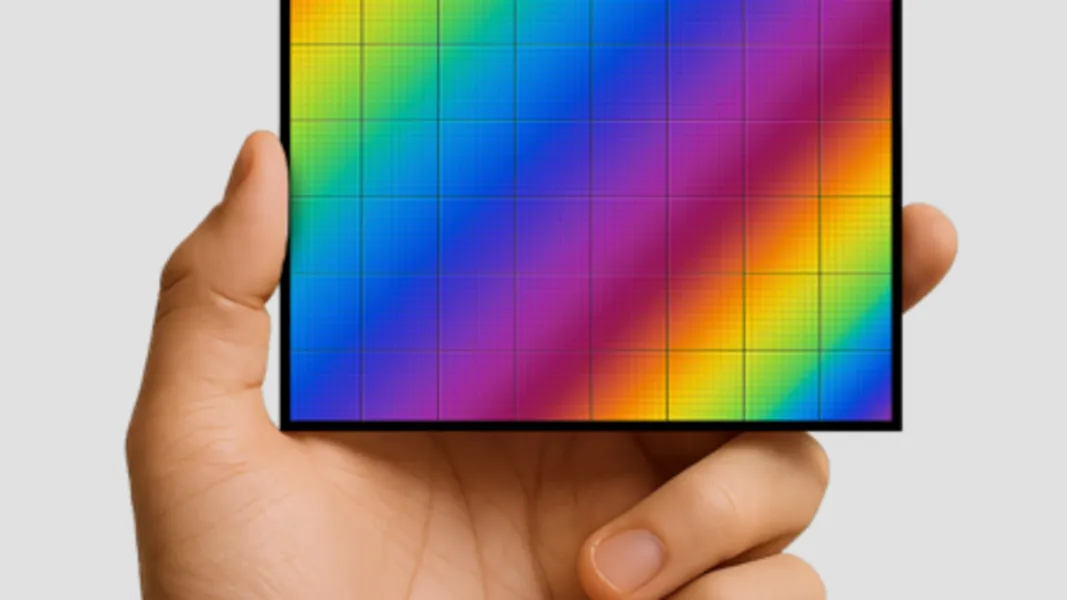
Euclyd, founded in 2024, is building an AI chip system specifically for inference, not training. The key difference from Nvidia's GPUs is that Euclyd integrates the processor and memory architecture into a single system design, rather than relying on separate GPU and memory components connected over a bus. The company says this approach reduces energy needs and total infrastructure costs for running foundation models.
The architecture is still under development, and Euclyd has not disclosed performance benchmarks or power-efficiency numbers. CEO Bernardo Kastrup told CNBC that "AI's potential will remain constrained unless we fundamentally change the infrastructure beneath it."
Why Samsung and other investors are placing this bet
The round was co-led by Samsung, Somerset Capital Partners, the Scaleup Europe Fund managed by EQT, and Innovation Industries. Samsung's involvement is strategic: as one of the world's largest memory manufacturers, it can provide engineering expertise, supply chain access, and a deep network of enterprise customers. Kastrup noted that "Samsung can help us in more ways than money."
The investment comes amid a broader push for Nvidia GPU alternatives. OpenAI, Google, AWS, and Meta are all developing their own AI chips, and startups like Euclyd are targeting the same opportunity: reducing dependence on Nvidia's high-end GPUs for inference workloads.
Revenue model and timeline
Euclyd plans two revenue streams. First, it will sell hardware and physical rack systems to enterprise customers who want secure, self-hosted AI inference. Second, it will license its chip IP to other companies that want to build their own processors based on Euclyd's design.
Physical chip systems are targeted for rollout in 2028, with the company aiming to serve thousands of enterprise customers by 2030. That timeline means Euclyd is still years away from generating meaningful revenue, and the market for AI inference accelerators will look very different by then.
What's still unproven
Euclyd's systems have yet to be proven at scale in commercial deployments. The company is pre-revenue, and its architecture faces competition not only from Nvidia but also from hyperscaler in-house chips and other startups like Tenstorrent and Rebellions, which have also attracted Samsung investment.
The 2028 target leaves room for shifts in AI workload patterns, model architectures, and competing hardware. Builders evaluating inference infrastructure today should treat Euclyd as a long-term signal of market diversification, not a near-term alternative.
FAQs
Sources
- Samsung backs Nvidia AI chip rival in $230 million funding round as GPU alternatives boom
- Samsung backs Nvidia AI chip rival in $23... - aVenture News
- Samsung invests in Nvidia rival: Dutch AI chip startup gets ...
- Samsung Backs Euclyd in $231 Million AI Chip Round
- Samsung backs Nvidia AI chip rival in $230 million funding ...
- Samsung backs Nvidia AI chip rival in $230 million funding round as GPU alternatives boom
- Samsung invests in Nvidia rival: Dutch AI chip startup gets $230 million funding as quest for alternatives grow
- Samsung Backs Euclyd AI Chips in $230M Round
- Samsung backs AI chip rival in $250M funding round as GPU alternatives rise
- Samsung, Jeff Bezos back Nvidia rival Tenstorrent in startup chipmaker's nearly $700 million funding round
- Samsung Backs Euclyd in $231 Million Round as Startup Targets Nvidia GPU Alternative | Zetik
- Samsung Backs Euclyd in New Nvidia Rivalry Push – ICO Optics
- Samsung backs Nvidia AI chip rival in $230 million funding round as GPU alternatives boom
- Samsung Backs AI Chip Rival Euclyd in $231 Million Series A Round | Gate News