Tasmania's Firmus appeal tests how backup generators shape AI data centre approvals
Published by AINave Editorial • Reviewed by Ramit
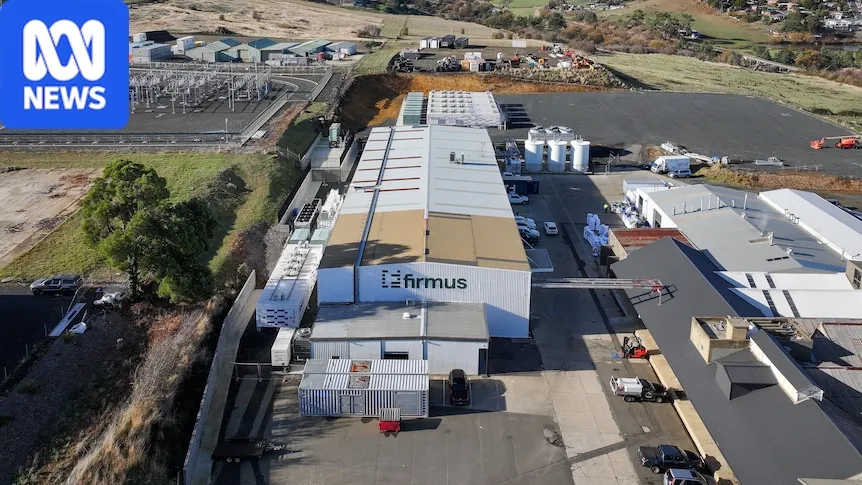
Firmus Technologies has appealed to the Tasmanian Civil and Administrative Tribunal (TASCAT) against a council condition that restricts how it can use backup diesel generators at its planned 288-megawatt AI data centre at Bell Bay. The appeal challenges Condition 13, which limits generator operation to emergencies and testing, and caps testing at 24 hours per year. For builders planning large-scale AI infrastructure, the outcome will test how local regulations balance energy reliability against community and environmental concerns.
The core dispute: Condition 13 and backup generator use
The George Town Council approved the data centre in August with 15 conditions. Condition 13 states that the 276 backup diesel generators (later revised to 128 in submissions) can only run during mains failures, emergencies, or testing. Testing is restricted to 8am-6pm weekdays, excluding public holidays, and simultaneous testing of more than one generator is capped at 24 hours per calendar year. The condition explicitly prohibits using generators to augment the mains supply during normal operations.
Firmus argues the condition is "unreasonable" because it fails to recognise the facility's need for operational efficiency and reliable electricity supply during periods of curtailment, network constraints, or energy market stress. The company wants the condition amended to allow "limited augmentation of the mains electricity supply" during such events. Firmus declined to say how often it expects to use the generators.
What Firmus is asking for
The appeal seeks to change Condition 13 so that generators can be used not just for backup but also to offset energy curtailment and maintain reliability during market stress. This is a significant shift from the council's intent, which was to keep generators as true emergency backup only. The tribunal will decide whether the council's restrictions are reasonable or whether Firmus needs more flexibility to ensure uptime for AI workloads.
Why this matters for AI infrastructure builders
For teams building or planning AI data centres, this case highlights a growing tension: large-scale compute facilities require reliable power, but backup diesel generators face increasing regulatory scrutiny over emissions, noise, and local impact. If Firmus wins broader generator-use rights, it could set a precedent for other Australian data centres seeking similar flexibility. If the council's restrictions are upheld, builders may need to invest in alternative backup solutions like battery storage or grid-level agreements, which could raise costs and complexity.
The case also intersects with broader energy policy. Hydro Tasmania is considering Firmus's request for 450 megawatts across three facilities, equivalent to up to 30% of the state's current energy use. A decision is expected by year-end. The outcome of the generator appeal could influence how Hydro Tasmania views the project's reliability and risk profile.
Practical implications for data centre planning
The council's conditions also require an updated bushfire and emergency management plan, no vegetation clearing during eagle season, and air and noise quality assessments. These are not unusual for large developments, but the scale of the Bell Bay site (288 MW, 276 generators) makes compliance more complex. Builders should expect similar conditions for any large AI data centre in Tasmania or other regions with sensitive environments.
Community opposition is strong: over 6,000 petition signatures and six appeals lodged with TASCAT, including from Rowella residents concerned about light, noise, and health impacts. The tribunal will need to weigh these against the economic and technological benefits of the data centre.
Caveats and unknowns
The appeal is ongoing, and the tribunal has not yet ruled. Firmus's generator count discrepancy (276 vs 128) and its refusal to disclose expected usage add uncertainty. The outcome may also be affected by the Tasmanian government's draft statement of expectations for AI data centres, which was released recently. Builders should monitor the TASCAT decision and Hydro Tasmania's power allocation as key signals for future AI infrastructure in the region.
FAQs
Sources
- AI data centre company Firmus lodges TASCAT appeal against restrictions on generator use
- Data centre company lodges appeal against 'unreasonable' restricted generator use - Firmus | Data Centre News
- Tasmania residents plan appeal over AI data centre approval | UA.NEWS
- Northern Tasmanians prepare to fight George Town Council AI data centre approval - ABC News
- Firmus 288-megawatt AI data centre at Bell Bay, Tasmania gets approval after 6-1 council vote - ABC News
- Firmus 288-megawatt AI data centre at Bell Bay, Tasmania gets approval after 6-1 council vote
- Firmus wins Tassie AI factory go-ahead despite protest
- Expectations For Data Centres & AI Infrastructure - Tasmanian Times
- Australian Firmus Signs Deal With OpenAI To Supply It... - Lowyat.NET
- George Town Council approves 288-megawatt AI data centre at Bell...
- Marinus Update, Firmus AI Factory Meetings, and More....
- AI data centre company Firmus lodges TASCAT appeal against restrictions on generator use
- Northern Tasmanians prepare to fight George Town Council AI data centre approval