FDA Breakthrough Designations Signal End-to-End Radiology AI Progress, with Cognita and Aidoc Leading the Way
Published by AINave Editorial
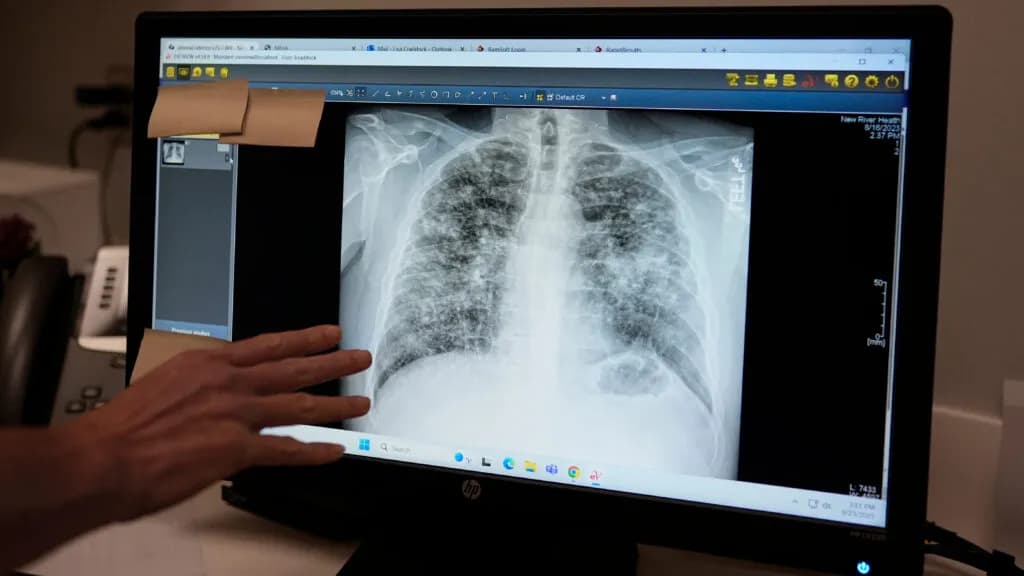
The FDA has granted breakthrough device designation to two generative AI systems that interpret chest X-rays and draft radiology reports, a step toward end-to-end automation that traditional detection tools have not attempted. The designations went to Cognita CXR, developed by a Stanford-founded startup acquired by Radiology Partners, and Aidoc's First Read, which detects and describes four life-threatening findings. For AI builders and product teams working in regulated clinical spaces, these decisions offer a clearer view of how the FDA is approaching large vision-language models for real-time diagnostic workflows.
What happened
In March, the FDA granted Cognita CXR a breakthrough designation for its generative AI tool that interprets chest X-rays and drafts radiology reports. Cognita was originally a startup founded by Stanford researchers and was acquired by Radiology Partners in late 2025. On June 25, Aidoc announced that its own tool, Aidoc First Read, received a similar designation for analyzing chest radiographs and generating preliminary findings focused on four life-threatening conditions.
Both tools use large vision-language models, which represent a shift from earlier radiology AI that only highlighted regions for radiologists to review. Instead, these systems can process the entire image and draft descriptive text for the radiologist to verify, as noted in the STAT coverage.
Why AI builders should care
These designations signal that the FDA is opening a regulatory path for generative AI in radiology that goes beyond isolated detection. For teams building clinical AI products, the implications are threefold. First, the move toward end-to-end image-to-report automation means validation and liability frameworks will need to cover not just image analysis but also language generation quality, hallucination risk, and report accuracy. Second, the involvement of large radiology practices in acquiring AI startups suggests that consolidation may accelerate, which shapes go-to-market strategies for smaller AI teams. Third, the FDA is actively developing how to evaluate these systems, and early designations offer signals for product design and clinical trial planning.
Practical implications
Breakthrough designation is not clearance, but it does mean prioritized FDA interaction during the review process. For Cognita, the designation is also tied to its acquisition by Radiology Partners, the large radiology practice that now owns Mosaic Clinical Technologies, the AI business unit developing the model. This consolidation of AI capability inside a major practice group creates a distribution advantage and a concentrated testing environment. Aidoc, already a well-known radiology AI vendor, gains a regulatory head start with First Read. Both companies now have a direct line to the FDA for feedback on their validation plans, which could shorten the path to clinical deployment if the data supports clearance.
AI builders should note that the efficiency gains claimed for these tools are based on internal projections, not published clinical studies. Radiology Partners reported a potential 18% boost in average interpretation efficiency, but this figure needs to be validated in peer-reviewed settings before being factored into product planning.
Caveats
Breakthrough designation does not guarantee that a device will be cleared or that it will work as described in broader clinical settings. The evidence for both tools is currently limited to press announcements and company statements; no benchmarks, clinical trial results, or independent validation data were included in the available sources. Regulatory timelines for clearance and deployment remain unknown, and integration into existing radiology workflows will face practical hurdles around IT compatibility, radiologist adoption, and liability allocation. AI teams designing similar products should wait for publication of validation data before building dependencies on the workflow assumptions these tools represent.
FAQs
Sources
- FDA gives generative AI in radiology two breakthrough designation nods
- Aidoc Receives FDA Breakthrough Device Designation for AI That Drafts Radiology Reports
- FDA Breakthrough Device Designation Granted for Generative AI Radiology Model - Medical Product Outsourcing
- Mosaic Clinical Technologies Announces FDA Breakthrough Device Designation for Cognita’s Generative AI Model for Radiology | News | bakersfield.com
- Mosaic Clinical Technologies Announces FDA Breakthrough Device Designation for Cognita’s Generative AI Model for Radiology | The AI Journal
- Mosaic Clinical Technologies Announces FDA Breakthrough Device ...
- Mosaic Clinical Technologies Announces FDA Breakthrough Device ...
- Radiology Partners' AI business receives Breakthrough Device ...
- FDA gives generative AI in radiology two breakthrough designation nods
- FDA Grants Breakthrough Status to Generative AI for Radiology - BioIntel
- Radiology AI Breakthrough: FDA Designation for Generative Model
- AI Medical Imaging in 2026: Best Radiology AI Tools, FDA ... - Pinggy