Meta accelerates AI infrastructure buildout with $279B in off-balance sheet commitments
Published by AINave Editorial • Reviewed by Ramit
Meta Platforms disclosed $279 billion in off-balance sheet lease commitments for AI infrastructure, a 53% increase from the previous period. The commitments cover data centres, co-location facilities, and network infrastructure, with an additional $68 billion added in July for leases starting in 2027 and 2028. For AI builders, this signals a massive buildout that could reshape compute access, pricing, and enterprise AI deployment timelines.
What happened
Meta revealed in a regulatory filing that its uncommenced lease commitments as of June 30 reached $279 billion, up from $183 billion in the prior period. These off-balance sheet obligations are primarily dedicated to expanding AI capabilities and include short- and long-term agreements for data centres, co-location facilities, and certain network infrastructure. An extra $68 billion in commitments was added during July alone, with those leases slated to commence in 2027 and 2028.
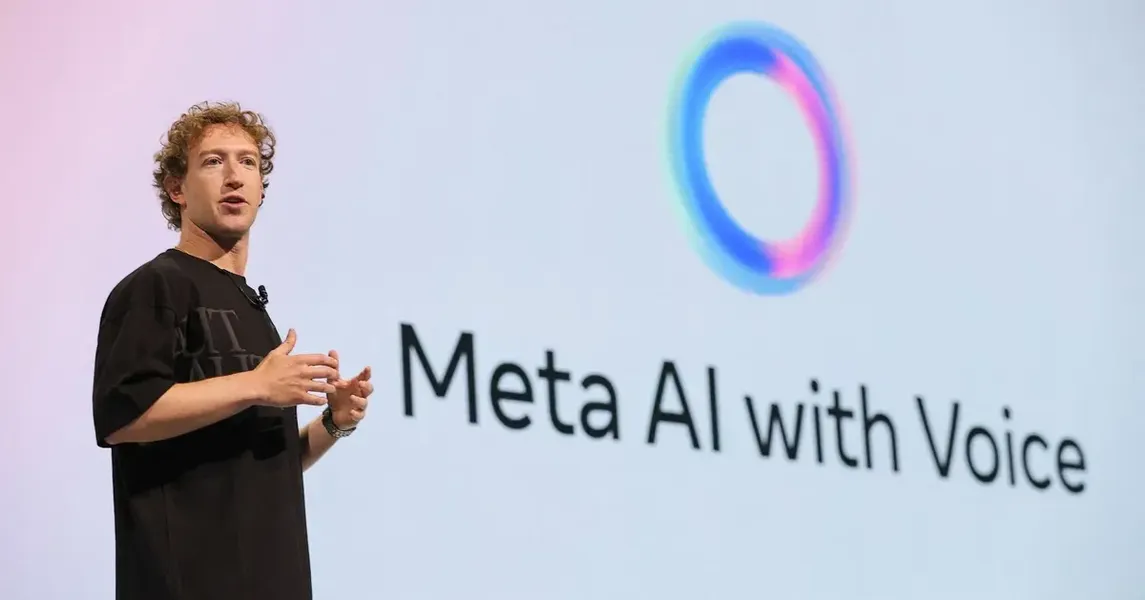
The disclosure came alongside investor pressure after Meta issued a soft Q3 revenue forecast, causing its stock to fall. During the Q2 earnings call, CEO Mark Zuckerberg said Meta could sell compute directly to large enterprises but anticipated a "significantly higher margin on selling [super]intelligence rather than selling compute directly."
Why AI builders should care
For teams building AI products, Meta's infrastructure expansion means more compute capacity will come online in the medium term. The $279 billion in commitments, combined with the additional $68 billion for 2027-2028 starts, suggests Meta is betting on sustained demand for AI training and inference. If Meta follows through on selling compute to enterprises, it could provide an alternative to hyperscaler cloud providers for large-scale AI workloads.
However, the scale of investment also introduces uncertainty. Meta's stock reaction and investor scrutiny indicate that the market is watching how these capital expenditures translate into revenue. Builders relying on Meta's open-source models or future compute services should monitor how Meta balances its AI ambitions with financial discipline.
Practical implications
- Compute availability: The 2027-2028 timeline for new leases means near-term capacity is already locked in. Builders planning long-term AI infrastructure should factor in potential supply constraints until these new data centres come online.
- Enterprise compute sales: Zuckerberg's comments suggest Meta may eventually offer compute directly to large enterprises. If realized, this could create a new option for builders needing massive GPU clusters, potentially at different pricing than AWS, Azure, or GCP.
- Superintelligence focus: Meta's emphasis on selling superintelligence rather than raw compute hints at a strategy to differentiate through higher-level AI capabilities. Builders should watch for Meta to package models, tools, and infrastructure together.
Caveats
- The $279 billion figure represents off-balance sheet lease commitments, not immediate spending. These are future obligations that may be adjusted or cancelled.
- The definition of "superintelligence" in Meta's strategy remains vague. The company has not detailed what superintelligence products or services it plans to offer.
- Investor sentiment is mixed. Meta's stock fell after the Q3 forecast, and the massive capex could pressure margins if AI revenue growth does not materialize as expected.
- The source context is limited to one regulatory filing and earnings call commentary. No independent benchmarks or third-party analysis of Meta's infrastructure plans are available in this report.