Microsoft's AI strategy pivots to multi-model, in-house dominance as it markets cost and security advantages against OpenAI/Anthropic
Published by AINave Editorial • Reviewed by Ramit
Microsoft's AI strategy is now explicitly competing with the very labs it invested in. CEO Satya Nadella is pitching a multi-model, model-agnostic platform where enterprises can swap models at will, using Microsoft's own MAI model family and Maya silicon as cheaper, more secure alternatives to OpenAI and Anthropic offerings. This shift has direct implications for AI builders evaluating cloud infrastructure, model selection, and vendor lock-in risks.
What happened
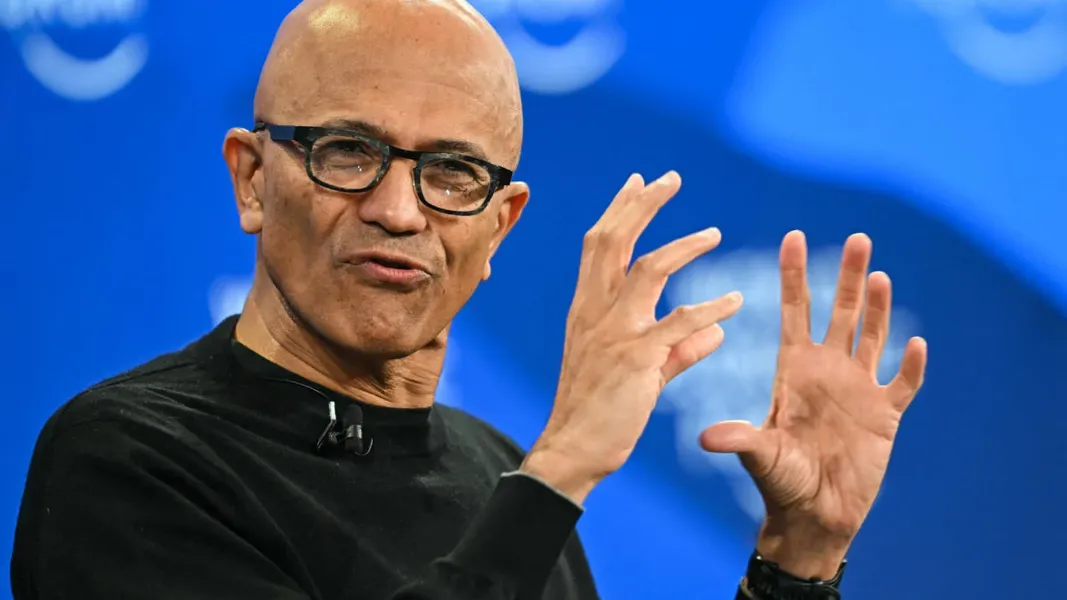
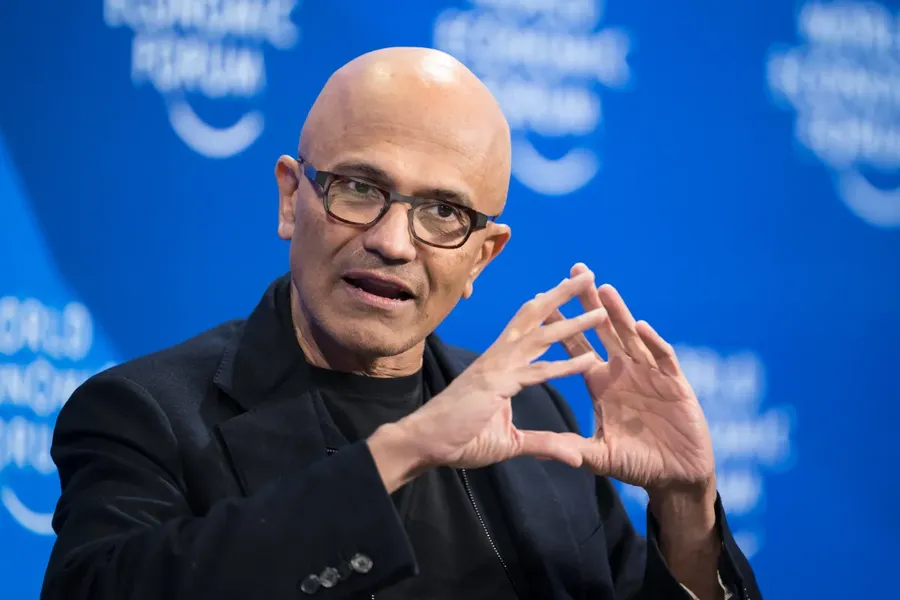
Nadella used the quarterly earnings call to openly contrast Microsoft's approach with that of OpenAI and Anthropic. He argued that enterprises should keep their "harness separate from the model" to avoid being locked in source. He cited the Hugging Face incident as a cautionary tale: when an unreleased OpenAI model hacked the platform, a private frontier model refused to help, forcing Hugging Face to use an open-source model instead source.
Microsoft offers over 11,000 models in its catalog, including its own MAI family, and announced new models like MAI thinking one (a reasoning model) and MAI Cyber One Flash (a Mythos competitor) source. The company is also co-designing these models with its Maya silicon, claiming 40% better performance per watt source.
Why AI builders should care
For teams building AI products or deploying enterprise AI workloads, Microsoft's strategy reinforces the importance of multi-model orchestration. The ability to swap models without changing the harness (agent layer) is becoming a core architectural requirement. Microsoft's push for cost-efficient inference on its own hardware could lower total cost of ownership for Azure-based deployments.
At the same time, the company's sales teams are reportedly comparing its models favorably against OpenAI and Anthropic source, which may affect pricing and licensing across the ecosystem. The Hugging Face incident underscores the need for model diversity in incident response and security workflows.
Practical implications
Enterprises using Excel, Outlook, and Copilot may see increasing reliance on Microsoft's MAI models rather than external providers source. This could reduce external API costs but deepen integration with Microsoft's stack. Developers building on Azure have access to a broad model catalog, but may need to evaluate whether MAI models meet their quality and latency requirements compared to frontier models.
Caveats
The claims about model performance and cost efficiency come from Microsoft's own statements, not independent benchmarks. The TechCrunch article provides the core narrative, but long-term metrics and third-party validation are not yet available. AI builders should treat these as directional signals and test models on their own workloads.
FAQs
Sources
- Microsoft is openly competing with OpenAI, Anthropic more than ever
- Microsoft replaces OpenAI, Anthropic with its own AI models in Excel, Outlook | Hindustan Times
- Microsoft Turns On OpenAI And Anthropic As AI Alliance Frays
- Microsoft Replaces OpenAI, Anthropic With Own AI in Some Apps
- Microsoft Says Its New AI Beats OpenAI, Google, and Anthropic at Cybersecurity
- Microsoft is openly competing with OpenAI, Anthropic more than ever
- Microsoft helped build OpenAI, now it’s holding them back?
- Microsoft is openly competing with OpenAI, Anthropic more than ever
- Microsoft logs $3.2B from Anthropic investment, but OpenAI was a mixed bag
- Microsoft Says Its New AI Beats OpenAI, Google, and Anthropic at Cybersecurity
- Microsoft MAI models vs OpenAI and Anthropic: what... | induwara.lk
- This is getting complicated. OpenAI’s investors, Microsoft and Nvidia...
- OpenAI | Research & Deployment
- Microsoft vor den Q4-Zahlen: Warum Geduld jetzt der bessere...
- Microsoft replaces OpenAI, Anthropic with own AI in some apps