OpenAI teases a family of devices to extend its AI models into daily life
Published by AINave Editorial • Reviewed by Ramit
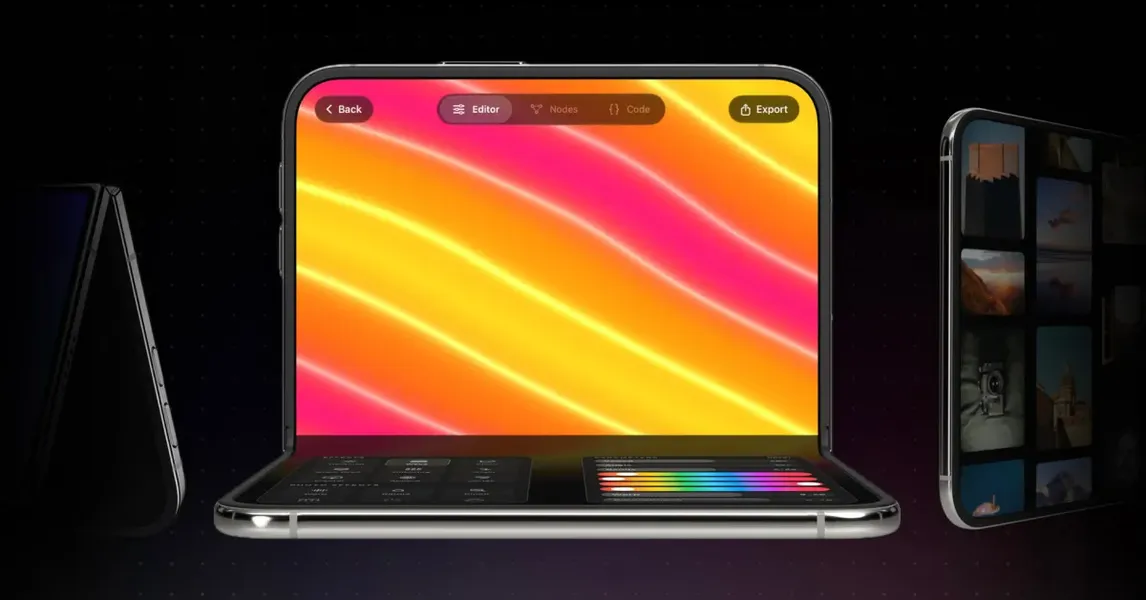
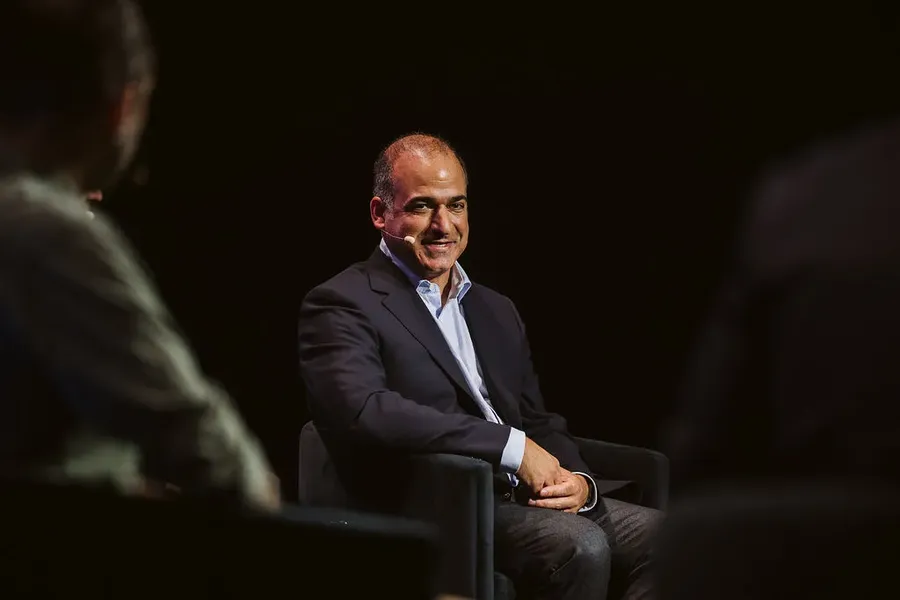
OpenAI is moving beyond software. President Greg Brockman confirmed in a recent interview that the company is building a family of devices around its AI models. The devices are designed to be highly useful in daily life, but Brockman did not disclose specific form factors or release dates.
What happened
In an interview with Joanna Stern, Brockman described OpenAI's hardware plans as a "family of devices" built around its models. He declined to confirm whether the devices would take the form of a smart speaker, a pen-like device, or smart earphones. The company first signaled hardware ambitions in 2024 when it partnered with Apple's former design lead, Jony Ive. OpenAI's chief global affairs officer, Chris Lehane, said earlier this year that the first device was on track to be unveiled in the second half of 2026.
Brockman also addressed Apple's ongoing lawsuit against OpenAI, stating that the company is focused on its own development and technology and has no interest in other companies' trade secrets.
Why AI builders should care
OpenAI's hardware push signals a shift from a pure software provider to a vertically integrated ecosystem. If the company ships a family of devices, developers building on OpenAI's models may need to consider device-native interactions, offline capabilities, and new API surfaces optimized for hardware. This could change how users engage with AI day-to-day, moving from chat interfaces to ambient, always-on interactions.
For indie hackers and product teams, the move also means potential new distribution channels. A dedicated OpenAI device could become a primary interface for ChatGPT, similar to how Alexa or Google Home created new app ecosystems. Early experimentation with voice-first or wearable AI patterns could pay off if OpenAI's hardware gains traction.
Practical implications
A managed hardware family creates a controlled environment for OpenAI's models. Developers may see new opportunities for device-optimized workflows, such as real-time voice processing, context-aware suggestions, or offline inference. However, the lack of disclosed form factors makes it hard to plan today. The timeline is also uncertain: while Lehane pointed to late 2026, Brockman did not confirm a date, and The Verge noted he didn't give a release date either.
If the devices are smart speakers or wearables, they could compete with existing AI hardware like the Humane AI Pin or Rabbit R1. OpenAI's advantage would be deep model integration and a massive user base, but the company has no track record in consumer hardware. Builders should watch for developer SDKs or APIs tailored to these devices.
Caveats
All details remain preliminary. No concrete product has been announced, and the form factors, pricing, and exact launch window are unconfirmed. The second-half 2026 timeline is based on a single executive statement and could slip. Brockman's interview also did not address how the devices would handle privacy, data residency, or offline mode. Until OpenAI shares a formal roadmap, treat these plans as directional.
FAQs
Sources
- Not just one: OpenAI is building a 'family of devices' for its chatbots
- OpenAI president says it’s ‘building a family of devices’ for its AI...
- OpenAI collaborates with Jony Ive on new hardware devices - Overview
- OpenAI hardware push: Brockman teases device family
- OpenAI | Research & Deployment
- OpenAI is building ‘a family of devices,’ Greg Brockman confirms
- How AI is becoming part of the American family
- Meta's Most Important AI Customer Might Be Meta
- OpenAI is building a 'family of devices' for its AI, Greg ...
- OpenAI’s New Device: What We Know So Far | Built In
- OpenAI confirms it's building multiple AI devices