Hyperscaler AI spending could reach $1 trillion next year, shaping the AI economy with ROI and inflation caveats
Published by AINave Editorial • Reviewed by Ramit
JPMorgan Chase CEO Jamie Dimon projects that hyperscaler AI spending could reach around $1 trillion next year, up from about $700 billion this year and $300 billion last year. For AI builders, this signals continued massive investment in infrastructure, but also raises questions about ROI, inflation, and which bets will pay off.
The spending trajectory: from $300B to $1T in three years
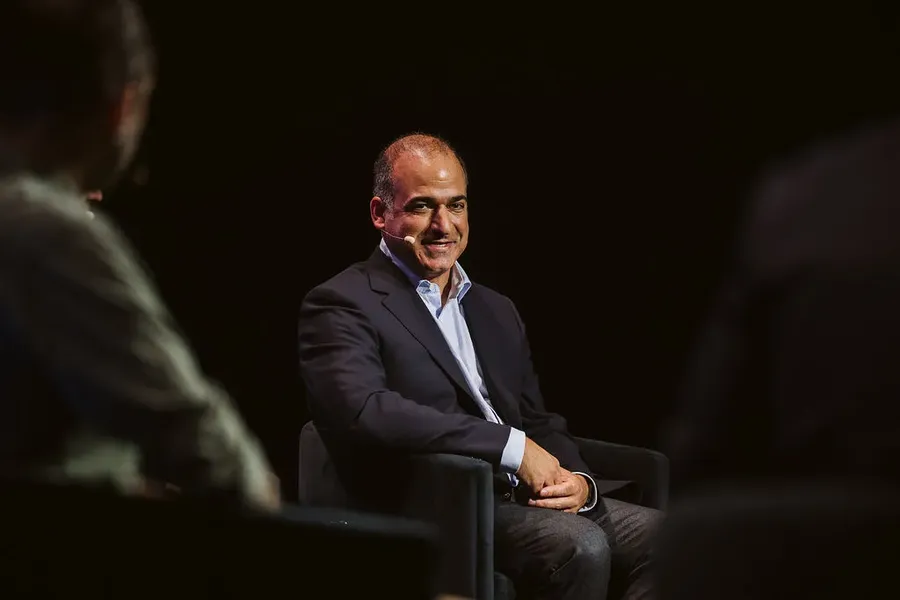
Speaking at the 11th annual JPMorgan India Conference, Dimon said spending across the hyperscaler ecosystem has more than doubled from about $300 billion last year to around $700 billion this year. He estimated that next year the figure could approach $1 trillion. This growth is driven by companies hiring workers, building factories and power plants, and buying equipment and materials.
What this means for AI builders
Dimon framed the spending as a macroeconomic factor. He said it adds roughly 1% to GDP each year and "may add a little bit to inflation" as capital is deployed. Over the longer term, however, he argued AI could have a deflationary effect, calling it an "unbelievable technology" whose expansion "looks like it's going to continue."
For builders, the takeaway is that hyperscaler infrastructure will remain abundant and expensive. If you're building AI products that depend on cloud compute, expect continued capacity growth but also potential cost pressures from inflation and capital demand. The deflationary promise is longer-term and depends on efficiency gains materializing.
The ROI question: Dimon says it's not always straightforward
Dimon cautioned that returns on AI spending won't always come down to a simple calculation. He said "sometimes it's just table stakes" and pointed to improvements in customer experience as a benefit that is hard to quantify. He also noted that companies could become more efficient in how they deploy AI over time.
This matters for builders because it suggests hyperscalers may continue spending even without clear near-term ROI, which could keep compute prices higher than they would be in a purely ROI-driven market. On the other hand, it also means there is room for startups that can demonstrate measurable efficiency gains or customer experience improvements.
Caveats: inflation, uncertainty, and the internet bubble lesson
Dimon drew a direct parallel to the internet boom, where many familiar names failed while previously little-known companies emerged as major winners. He said it is too early to pick winners from the AI boom. He also warned that inflation could persist or even rise slightly, and that heavy demand for capital from infrastructure, remilitarization, and government deficits may push interest rates higher. He added that there "may be a market correction" but was not sure AI would be the cause.
For builders, the lesson is to avoid assuming that current hyperscaler spending guarantees success for any particular AI company or technology. The infrastructure buildout is real, but the eventual winners may look very different from today's leaders.
FAQs
Sources
- Jamie Dimon says hyperscaler AI spending could hit $1 trillion next year
- AI capex could hit $1 trillion next year, says JPMorgan CEO Jamie...
- JPMorgan CEO Jamie Dimon Reveals AI Spending Jump... - YouTube
- Jamie Dimon predicts AI spending will hit $1 trillion next year
- Indian Economy Expected To Triple In 10 Years, Says... - News18
- AI capex could hit $1.6 trillion next year, says fund manager who sees more echoes of 1998 than the dot-com bust
- SpaceX just joined the hyperscaler club. AI capex spending could hit $1.15 trillion
- Dow Futures Slip While S&P 500, Nasdaq Futures Climb After AI Rally: GME, IBRX,...
- The Great Rotation: 5 Stocks Set to Win as Money Leaves Megacap Tech
- Jamie Dimon says hyperscaler AI spending could hit $1 trillion...
- Jamie Dimon says hyperscaler AI spending could hit $1 trillion next year
- Hyperscaler AI Spending Nears $1 Trillion Forecast
- Big Tech AI Spending Triggers Market Revolt
- Jamie Dimon says hyperscaler AI spending could hit $1 trillion next year
- SpaceX just joined the hyperscaler club. AI capex spending could hit $1.15 trillion