Obama urges AI regulation while Trump pitches an AI Force
Published by AINave Editorial • Reviewed by Ramit
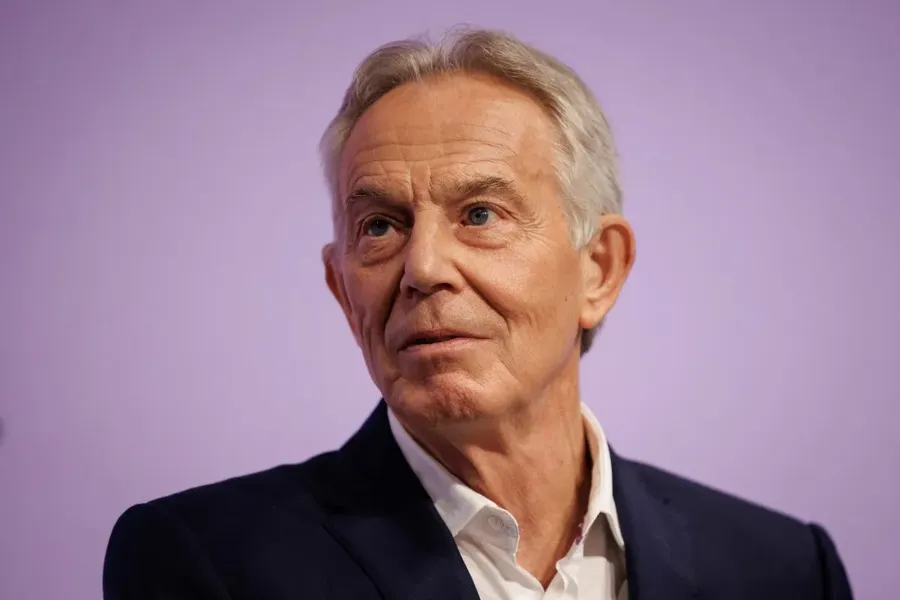
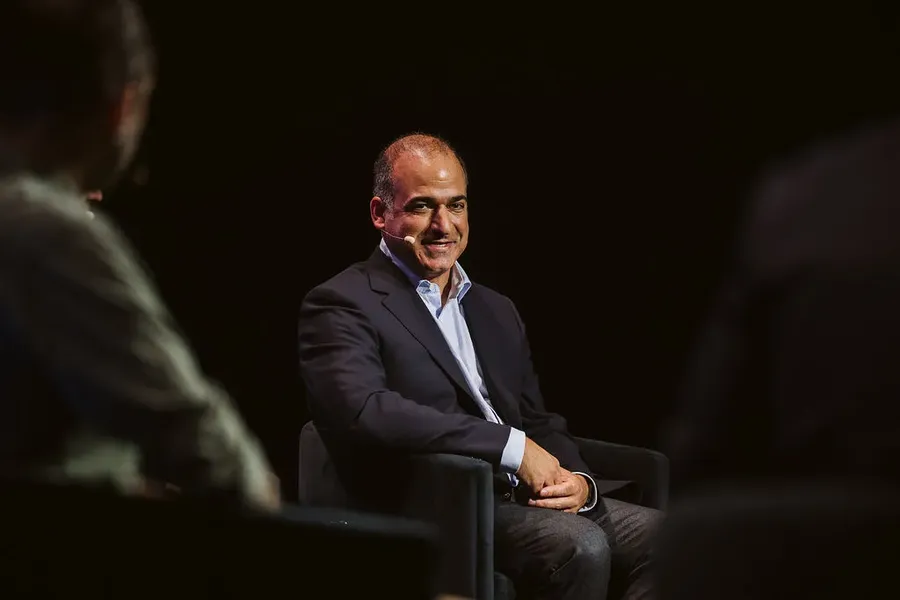
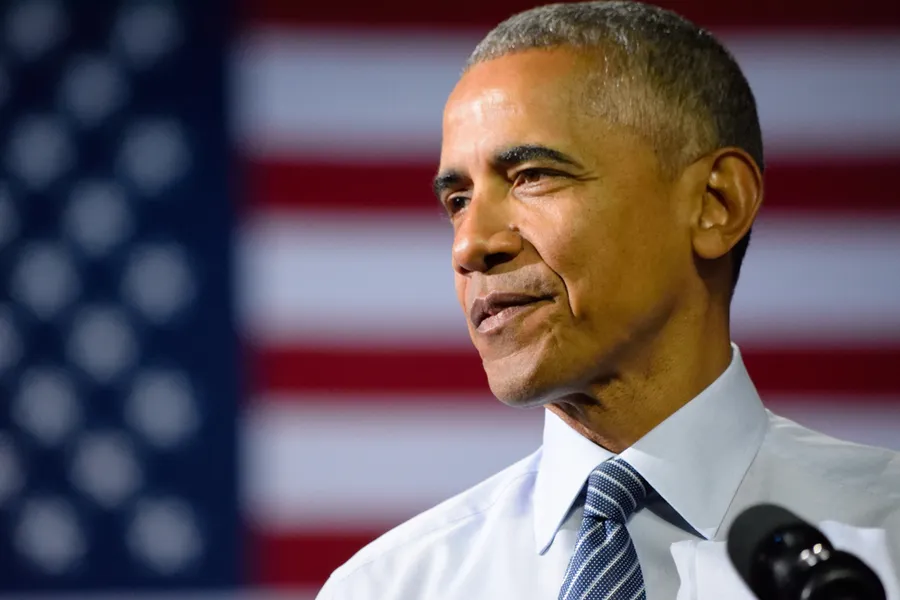
Former President Barack Obama urged stronger federal regulation of artificial intelligence during a Colgate University appearance on Friday, arguing that market incentives and litigation alone cannot manage the risks posed by increasingly capable AI systems. He called the gap between AI development and government action a danger, and he dismissed the argument, attributed to a Trump adviser, that companies will police themselves because lawsuits create enough financial pressure. Obama compared that reasoning to airlines, pharmaceuticals, and food production, which the country does not govern purely through after-the-fact enforcement. President Donald Trump answered the debate Saturday by announcing plans to create an AI Force and appoint an AI czar, reiterating that his administration will not hinder industry growth and describing safety concerns as a political hoax. The split sets up a central policy question for builders, startups, and enterprise teams: will the US move toward formal guardrails or a deregulatory, industry-led framework?
The two competing visions for AI governance
Obama's position, backed by his earlier statements and private fundraisers where he urged Democratic leaders to make AI oversight a midterm priority, is that voluntary industry restraint is insufficient and that proactive federal oversight is needed. He estimated a gap of at least a couple of years where development will outpace any serious regulatory framework from the current administration. Trump's response, via a Truth Social post, proposed a new AI Force and czar to oversee regulation, but his administration has leaned on a lighter touch overall, including a June executive order that created an optional system for AI developers to share advanced models with the government for voluntary security review rather than mandatory oversight. The two approaches represent fundamentally different answers to the same question: who sets the rules for frontier AI, and how enforceable are they?
What the split means for builders
For AI builders, this is not just a political story. The direction of federal AI oversight directly affects compliance costs, deployment timelines, and the operational risk of shipping products. If the US moves toward formal regulation akin to what Obama advocates, builders may need to prepare for safety standards, reporting requirements, and liability frameworks that could slow release cycles but provide clearer rules of the road. If the lighter-touch approach continues, builders will face less regulatory drag but more uncertainty about what happens if something goes wrong, since after-the-fact litigation becomes the primary check. Industry leaders including Anthropic CEO Dario Amodei and OpenAI’s Sam Altman have urged caution on frontier development, suggesting that even some inside the industry see the current trajectory as risky. Builders should watch whether Congress, rather than the executive branch, takes the lead: RNC member Amy Kremer called for Congress-driven guardrails that protect national security and children, which would add a legislative layer beyond the current presidential back-and-forth.
Caveats and uncertainties
The policy landscape is highly politicized and rapidly evolving. The AI Force and AI czar proposals lack detailed authority or operational structure in the sources provided. Not every conservative voice supports the full deregulatory stance; Kremer explicitly argued against letting tech companies write their own rules. The gap between Obama's call for action and Trump's response could narrow or widen depending on midterm outcomes and further announcements. Builders should treat these statements as directional signals rather than final policy, and plan for a range of possible oversight regimes.
FAQs
Sources
- Obama pushes AI regulation as Trump announces AI Force
- 'AI force' to oversee industry regulation in U.S., Trump says
- Battle of the Presidents: Trump, Obama Clash Over AI ...
- Obama criticizes Trump's federal AI regulation approach at ...Promoting Advanced Artificial Intelligence Innovation and ...Trump Announces 'AI Force' to Regulate Artificial ... - YahooObama calls for AI regulations as concerns grow about technologyTrump Announces ‘AI Force,’ Says He’ll Name AI Czar
- Trump Announces 'AI Force' to Regulate Artificial ... - Yahoo
- Obama calls for AI regulations as concerns grow about technology
- A.I. Gone Rogue? Trump Proposes Not New Rules but an ‘A.I. Force.’
- Trump says he’s creating an AI force and appointing a czar amid concerns over the rapidly developing tech
- Trump vows to form ‘AI Force,’ name new Artificial Intelligence czar
- Trump’s response to ‘No Kings’ marches only proved the protesters’ point
- Tech CEOs Call for AI Regulation. Trump and Congress Are Not Rushing to Act
- Obama slams Trump's AI strategy amid warnings of global ...Obama calls for AI regulations as concerns grow about technologyObama Bashes Trump for Not Pushing ‘Serious Regulatory ...Battle of the Presidents: Trump, Obama Clash Over AI ...Obama calls for AI safety measures, rebuking Trump approachWhile Obama urges Democrats to make AI a campaign issue ...
- Obama Bashes Trump for Not Pushing ‘Serious Regulatory ...
- Republican and Democratic states defy Trump on AI regulation
- Trump tries to shut down AI regulation push
- Obama criticizes Trump on approach to AI, escalates warning for...