Pacific Northwest power crunch starts with AI data centers, but the bigger challenge comes after
Published by AINave Editorial • Reviewed by Ramit
The Pacific Northwest is facing its largest grid build-out in decades, driven primarily by AI workloads in data centers. But the harder problem may come later, as the region electrifies vehicles and buildings with highly peaky demand patterns.
What the draft power plan actually says
The Northwest Power and Conservation Council published a draft plan last month projecting that the region could need between 40% and 100% more electricity over the next two decades. To meet that range, the plan calls for 9 GW of new renewable energy, 5 GW of battery storage, and 2 GW of natural gas generation over the next six years. The council is aiming for a "sweet spot" between underbuilding and overbuilding, with annual reassessments to adjust course.
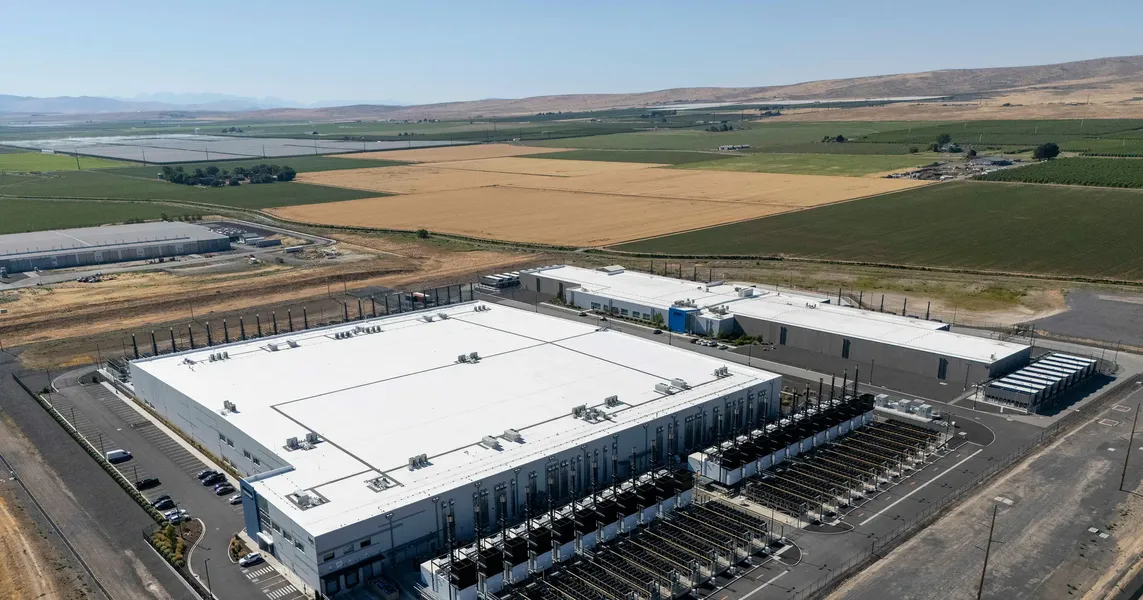
Data centers are the biggest driver of uncertainty. They could end up using only about as much power as Seattle does on average, or they could consume five times that by 2046. The council noted that data center companies often shop multiple locations and submit requests for projects that may be duplicates or never materialize. Utility regulators are considering requiring developers to show more evidence of commitment before approving service.
Why AI builders should pay attention to this plan
If you are building AI products that depend on data center capacity in the Northwest, this plan directly affects your timeline and costs. Data centers are expected to connect earlier than other loads, which means they could claim the cheapest renewables and available transmission pathways first. KC Golden, a Washington representative on the council, warned that data centers could get first dibs on scarce grid infrastructure before electric vehicles or heat pumps arrive in full force.
Transmission is already the most critical limiting factor for clean energy development in Washington. Even requiring data centers to bring their own power would not solve the problem, since they would still compete for a limited pool of lines, equipment, workers, and easily developed sites.
The bigger challenge: peaky loads from electrification
While data centers have relatively stable electricity use, the real grid strain comes from heat pumps and EV charging. Heat pumps use much more electricity at extremely cold temperatures, and their winter peaks coincide with times when wind and solar produce less power. Arne Olson of E3 said heat pumps, more than data centers or EVs, will drive the need for new gas "peakers" that only run when needed.
EV charging is concentrated in the hours people get home from work. Utilities can flatten that peak with time-of-use pricing or direct-utility charging control. A recent study of Washington EVs found that direct control (with opt-out) reduced peaks by up to 50% and could defer some grid upgrades by as much as a decade. But consumer acceptance remains uncertain.
Caveats and what remains uncertain
The figures in this plan are draft projections and will evolve with governance, public policy, and updated load forecasts. The council is accepting public comments through Oct. 16 and plans to finalize the Ninth Power Plan by the end of the year. Politics could change the final mix of resources, with disagreements already emerging over how much natural gas to include.
If grid expansion lags, outages become a real risk. If it overshoots, ratepayers bear the cost at a time when affordability is already a concern. The council's Jennifer Light noted that dialing back is probably easier than dialing up, and that energy efficiency programs remain a flexible option if demand comes in higher than expected.
FAQs
Sources
- Pacific Northwest power crunch starts with AI. The bigger challenge may come after
- PNW power crunch starts with AI. The bigger challenge may come...
- Google DeepMind staffer says AI may 'kill us all... | ArcaMax Publishing
- Atmospheric River Storms To Slam Pacific Northwest With... - YouTube
- The AI power crunch is forcing Big Tech to abandon its climate script...
- 3 Stocks to Buy if You Believe the AI Power Crunch Is Just Getting...
- PNW power crunch starts with AI. The bigger challenge may come after
- Pacific Northwest power crunch starts with AI. The bigger challenge may come after
- 3 Stocks to Buy if You Believe the AI Power Crunch... | The Motley Fool
- Singapore data centre Reits chase Japan deals as power crunch...
- The looming power crunch - DCD