Trump's AI Force proposal: What builders need to know about the new AI policy push
Published by AINave Editorial • Reviewed by Ramit
President Donald Trump announced on Saturday the creation of an "AI Force" and plans to appoint an AI czar, but offered almost no details about the task force's mandate, leadership, or how it would operate. For AI builders, the announcement signals that the administration is feeling pressure to address AI risks, but the lack of clarity makes it hard to predict what regulatory or support structures might emerge.
What the AI Force announcement actually says
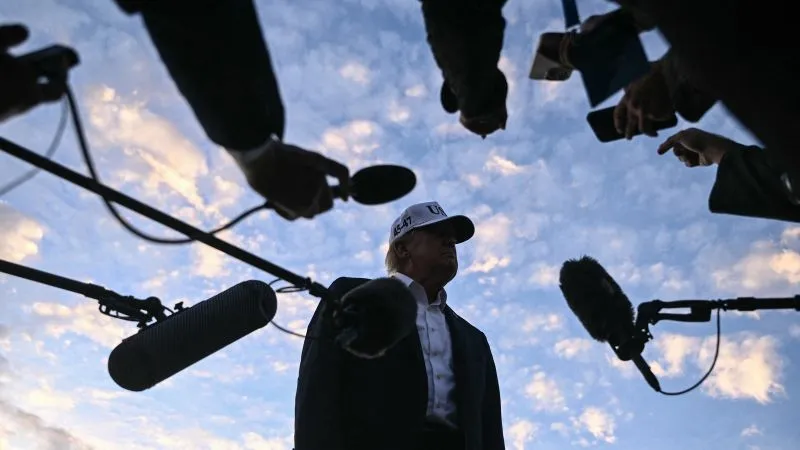
Trump posted on Truth Social that he was forming a government AI task force and would soon name an AI czar to lead it. He compared the new body to Space Force, the military branch created during his first term. In the same post, he said the US would "cherish" and "help" the AI industry grow, not hinder it. The White House did not immediately respond to requests for comment.
The tech industry was caught off guard. Four sector representatives told POLITICO that the industry was not widely informed before the post. "Nobody knows what the idea even is," one said. Another said feedback was not solicited. The move is widely seen as a response to growing public alarm over AI risks, following stark warnings from researchers and executives at top labs.
Why builders should watch this closely
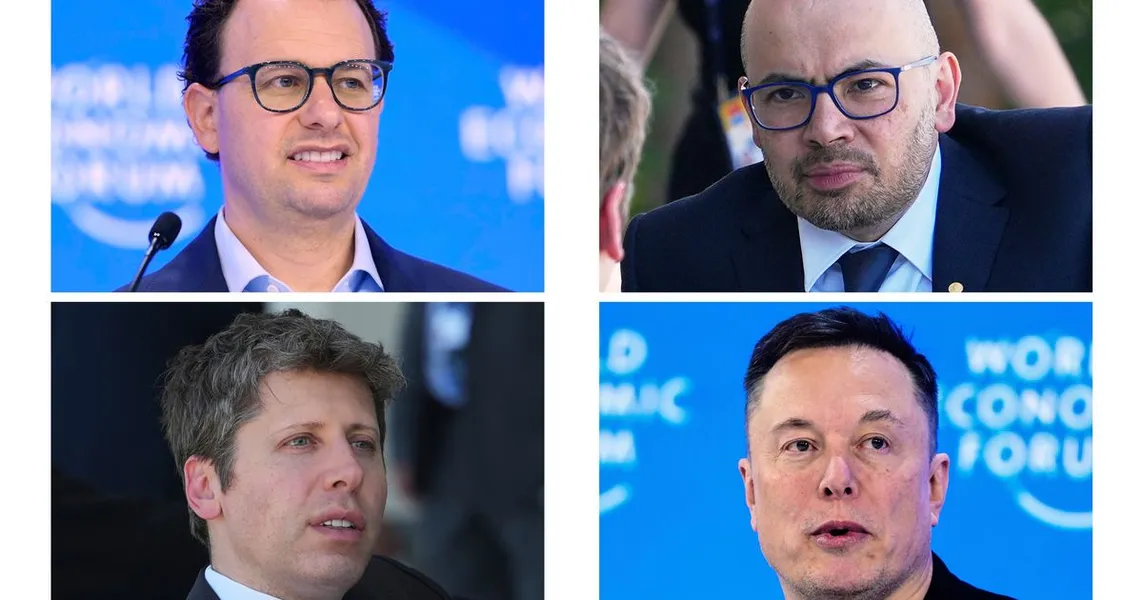
Policy moves like an AI task force can influence future regulatory or non-regulatory approaches to AI governance. The announcement comes after a period where the White House has been "making up AI policy as it goes," according to Adam Kovacevich of Chamber of Progress, since the departure of previous AI czar David Sacks. Just days earlier, billionaires including Zuckerberg, Musk, and Jensen Huang reportedly convinced Trump to block a separate proposal for an AI regulator, fearing it would entrench power in leading labs.
For builders, the key question is whether the AI Force will push for more regulation or a light-touch approach. Taylor Barkley of the Abundance Institute argued the body should "keep the field open so entrepreneurs at every scale can compete, free from onerous regulation." Others worry that without clear guardrails, safety risks could lead to a backlash that ultimately hurts the ecosystem.
Uncertainty around leadership and scope
It is unclear whether the AI Force will be led by civilian agencies or the Pentagon. Trump's Space Force analogy led at least one industry source to speculate that the Pentagon could lead, with a goal to "dominate" rather than regulate. No specific powers or budget have been outlined. The czar role also remains undefined: the previous AI czar, David Sacks, had an informal coordinating role, but the new position could carry more authority.
What remains unknown
At this point, almost everything is unknown: who will be the AI czar, when the task force will be formed, what its exact mandate will be, and whether it will have any enforcement power. The announcement appears to be a political signal rather than a concrete policy. Builders should monitor for further details, but should not assume any immediate operational impact. The administration's stance remains anti-regulation in practice, as shown by the recent blocking of an AI regulator proposal.
FAQs
Sources
- Tech industry scratches its head over Trump 'AI Force' proposal
- Trump to create ‘AI Force’ to monitor technology as fears ...
- Trump says he’ll create ‘AI Force’ to boost US development of ...
- Trump says he’s creating an AI force and appointing a czar ...
- Trump Announces an ‘AI Force’ After Industry Sounded Alarm
- Tech industry scratches its head over Trump 'AI Force' proposal
- Tech industry scratches its head over Trump 'AI Force' proposal
- Trump seemingly concedes there’s some ‘BAD’ in the industry with announcement of ‘AI Force’
- Trump vows to form ‘AI Force,’ name new Artificial Intelligence czar
- Trump dismisses AI leaders' calls to slow down, citing Chinese competition
- Trump calls for plans to form federal ’AI Force’ By Investing.com
- Trump doubles down on AI push amid industry-wide slowdown calls; proposes ‘AI Force’ headed by ‘AI Czar’ | Hindustan Times
- Tech industry scratches its head over Trump 'AI Force' proposal
- Trump wants a new AI czar and an "AI Force" modeled on Space Force
- Billionaires Zuckerberg, Musk And Jensen Called Trump To Block AI Regulator, Report Says