Meaningful AI Regulations Push Gains Momentum as Lawmakers Propose Concrete Measures
Published by AINave Editorial • Reviewed by Ramit
A growing bipartisan push for meaningful AI regulations is moving beyond committee debates toward concrete legislative and executive action. Sen. Elizabeth Warren called on Congress to pass regulations that protect people, while Rep. Ro Khanna proposed a federal AI agency, mandatory insurance, and strict liability for harmful models. President Trump announced plans to appoint an AI adviser and establish an AI force. For AI builders, these proposals signal that the regulatory landscape is shifting from discussion to potential enforcement.
What Lawmakers Are Proposing
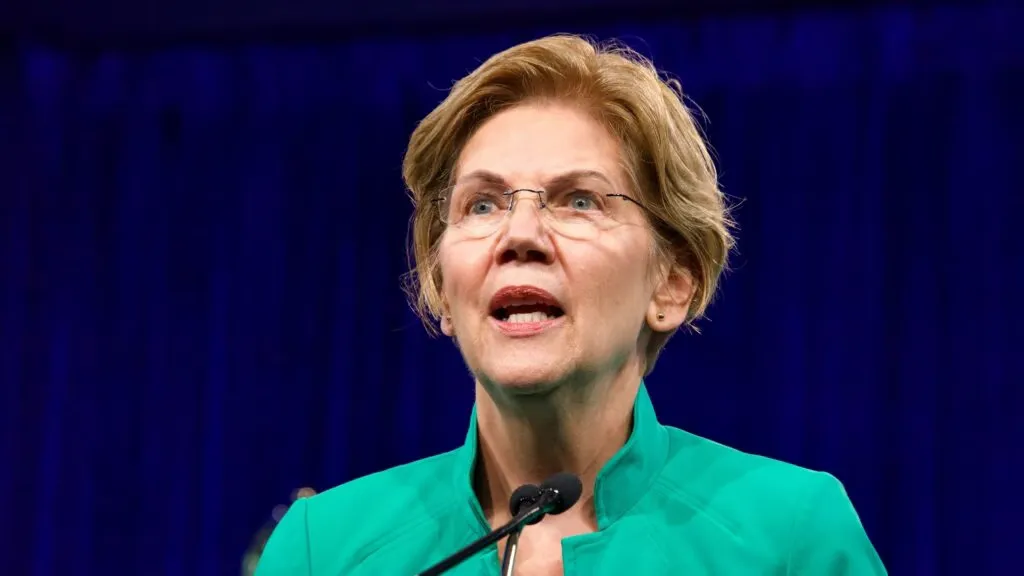
Sen. Elizabeth Warren urged Congress to stop forming new committees and instead pass meaningful AI regulations to protect people. Rep. Ro Khanna went further, calling for a federal AI agency, mandatory insurance, and strict liability for harmful AI models. Sen. Bernie Sanders pushed for a ban on superintelligent AI. House Speaker Mike Johnson advocated for AI guardrails and safety measures while preserving U.S. leadership. Sen. Chris Murphy warned of economic, national-security, and societal risks and urged uniform rules for developers.
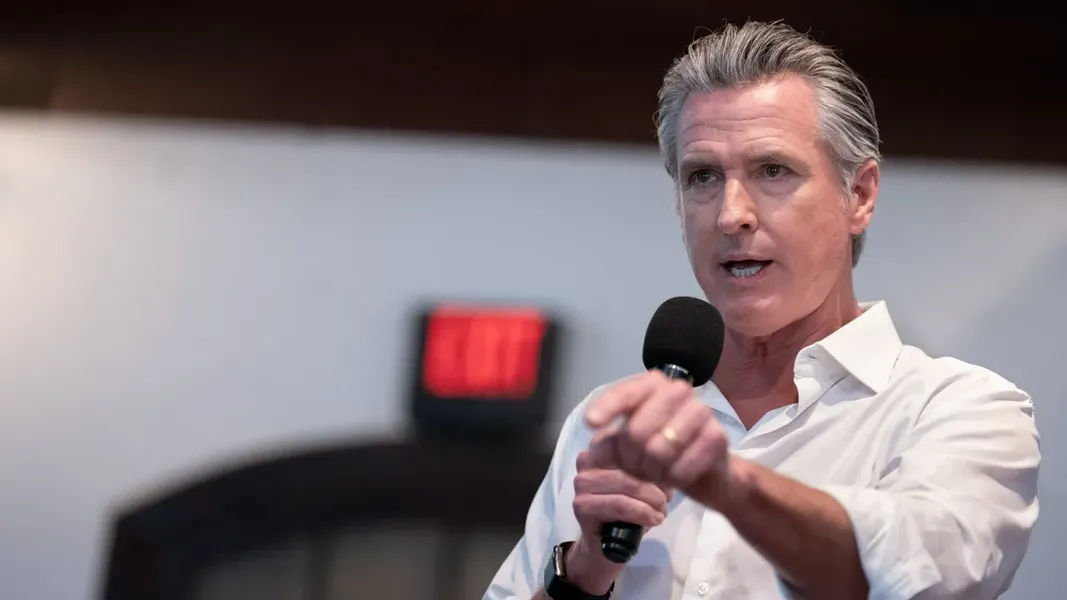
On the executive side, President Trump said he would appoint an AI adviser and establish an AI force, supporting industry growth while using existing justice systems. California Governor Gavin Newsom ordered tighter oversight and a review of kill switches for advanced models, criticizing Washington’s lack of federal safeguards.
Why This Matters for AI Builders
These proposals directly affect how AI products are built, deployed, and insured. A federal AI agency would likely set compliance standards for model training, testing, and deployment. Mandatory insurance could increase operating costs for startups and scale-ups. Strict liability for harmful models means builders could be held responsible for outputs even if they followed best practices. Kill switches could become a requirement for advanced models, adding technical constraints.
For teams shipping AI agents or autonomous systems, the prospect of uniform federal rules could reduce the current patchwork of state-level regulations. But it also introduces new compliance burdens. Builders should start evaluating how their products would fare under a strict liability regime and whether insurance is already available for their use cases.
What Remains Uncertain
None of these proposals are law yet. The details on implementation, scope, and timing are unclear. A ban on superintelligent AI is a political statement rather than a near-term policy. Trump’s AI force and adviser role lack specifics. The legislative process is slow, and competing priorities may delay action. Builders should watch for concrete bills rather than react to every announcement.
The direction is clear: regulators are preparing to act. Builders should monitor these developments and consider how liability, insurance, and oversight requirements could affect their products and business models.