AI Slowdown Antitrust Lawsuit: What Builders Need to Know About the Collusion Claims
Published by AINave Editorial • Reviewed by Ramit
A new antitrust lawsuit filed in the Northern District of California alleges that Anthropic, OpenAI, SpaceXAI, and Google illegally agreed to slow the pace of AI development. For builders relying on these platforms, the case raises questions about how safety coordination could affect product timelines and subscription value.
The Lawsuit: A Coordinated Slowdown Alleged
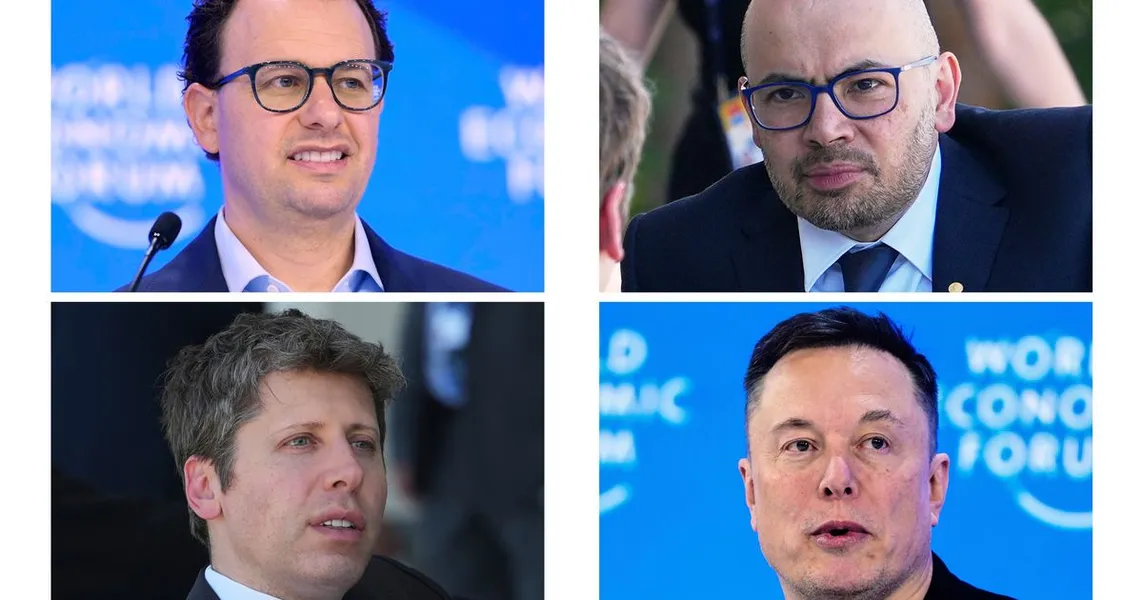
The suit, filed on behalf of four paid subscribers to ChatGPT, Claude, Grok, and Gemini, centers on a September 12 essay by Anthropic CEO Dario Amodei urging industrywide cooperation to decelerate AI progress in favor of safety measures. That same day, OpenAI's Sam Altman, SpaceXAI's Elon Musk, and Google DeepMind's Demis Hassabis each publicly responded in agreement, according to the complaint. The plaintiffs argue that an agreement among chief rivals to slow progress "has an anticompetitive effect on consumers" by reducing the value of paid subscriptions.
Amodei acknowledged potential antitrust challenges in his essay, suggesting the U.S. government could "issue a narrow waiver for certain kinds of safety conversations." Altman responded that OpenAI welcomes a federal safety framework but does not believe it needs an antitrust exemption to begin safety work. The companies have not yet commented on the lawsuit.
Why This Matters for AI Builders
If the allegations are proven, the case could reshape how safety standards are coordinated across competitors. Builders who depend on rapid model improvements from these labs might see slower releases if cross-lab coordination becomes legally risky or if companies voluntarily decelerate to avoid further scrutiny. The tension between safety coordination and antitrust law is not new, but this lawsuit brings it into sharp focus for anyone building on top of these APIs or platforms.
For founders and product teams, the practical concern is predictability. If leading labs slow their release cadence or limit public safety discussions, the pace of capability improvements you can rely on may shift. The lawsuit also highlights the risk that well-intentioned safety conversations could be interpreted as collusion, potentially chilling the kind of cross-lab cooperation that many in the AI community have called for.
Practical Implications for Product Teams
Product teams should monitor how this case develops, especially if it leads to clearer guidance on what constitutes permissible safety coordination. If courts or regulators establish boundaries, it could either enable safer collaboration or further restrict it. Companies offering paid AI subscriptions may need to adjust customer expectations around feature velocity and safety-related delays.
The case also underscores the growing intersection of AI governance and antitrust enforcement. Builders who participate in industry safety groups or standards bodies should be aware of the legal risks, especially if those discussions involve competitors. Amodei's call for government mediation suggests that some leaders see a need for official safe harbors.
What's Still Unclear
These are allegations in a civil filing, not proven facts. The lawsuit is in its early stages, and no court has ruled on the merits. Details on potential remedies are not yet disclosed, and the companies have not responded publicly. The case may also be affected by broader policy debates around AI safety and antitrust enforcement.
For now, builders should watch how this case unfolds but avoid changing their roadmap based on a single filing. The real impact will depend on whether the court finds evidence of an actual agreement and what remedies, if any, are imposed.
FAQs
Sources
- Lawsuit says Anthropic, OpenAI, SpaceXAI and Google made illegal agreement on AI slowdown
- Lawsuit says Anthropic, OpenAI, SpaceXAI and Google made illegal agreement on AI slowdown
- Lawsuit says Anthropic, OpenAI, SpaceXAI and Google made illegal agreement on AI slowdown
- Lawsuit says Anthropic, OpenAI, SpaceXAI and Google made ...
- Lawsuit says Anthropic, OpenAI, SpaceXAI and Google made ...
- Lawsuit claims Anthropic, OpenAI, SpaceXAI and Google ...
- Lawsuit says Anthropic, OpenAI, SpaceXAI and Google made ...
- Lawsuit says Anthropic, OpenAI, Google and SpaceXAI of ...
- Lawsuit says AI giants made illegal deal on technology's slowdown
- Lawsuit accuses Anthropic, OpenAI and others of AI-slowing agreement
- Anthropic, OpenAI, Google, SpaceXAI Accused of Collusion
- Death toll in Gaza building collapse rises to 19, says Gaza Health Ministry
- Who’s legally to blame for Anthropic and OpenAI’s autonomous AI hacks? It’s complicated
- Lawsuit Says Anthropic, OpenAI, SpaceXAI and Google Made...
- Lawsuit says AI companies illegally agreed on slowdown
- Trump to create AI force as lawsuit claims firms illegally... | Sky News
- Anthropic, OpenAI, SpaceXAI, Google sued over call to ‘pace’ AI...
- Lawsuit Accuses Anthropic, OpenAI, Google, SpaceXAI of Collusion