AI regulation and guardrails: CBC's near-unanimous support signals policy shift for builders
Published by AINave Editorial • Reviewed by Ramit
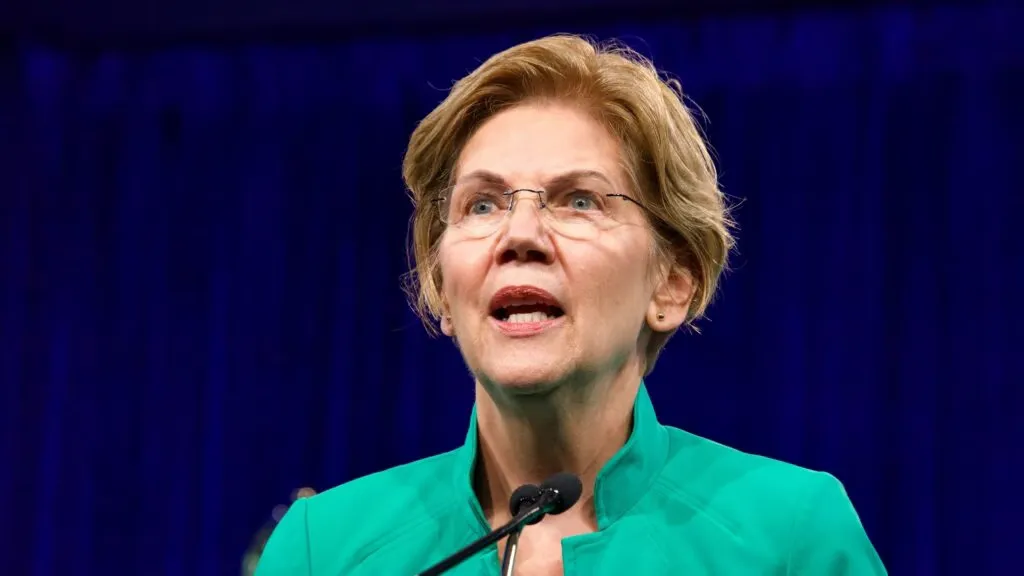
The Congressional Black Caucus (CBC) is nearly unified on AI regulation. At its annual legislative conference in Washington, CBC Vice Chair Rep. Troy Carter said at least 60 of 62 CBC members would vote for a bill to regulate AI with guardrails and human-safety guidelines CNBC. That level of consensus matters for AI builders because it signals that federal AI regulation is moving from debate to drafting, and the CBC's influence (29% of House Democrats) could shape the final framework.
Nearly unanimous CBC support for AI guardrails
Carter made clear that the CBC's approach to AI regulation and guardrails prioritizes community protection over a race with China. "I'm not going to run and race with China, they're not doing it the right way," he told CNBC CNBC. The push for transparency and human-safety guidelines comes amid a backdrop of OpenAI reporting incidents of "concerning model behavior" and jailbreaks CNBC. For builders, this means model safety documentation and incident reporting could become compliance requirements.
Data center buildout meets energy and equity concerns
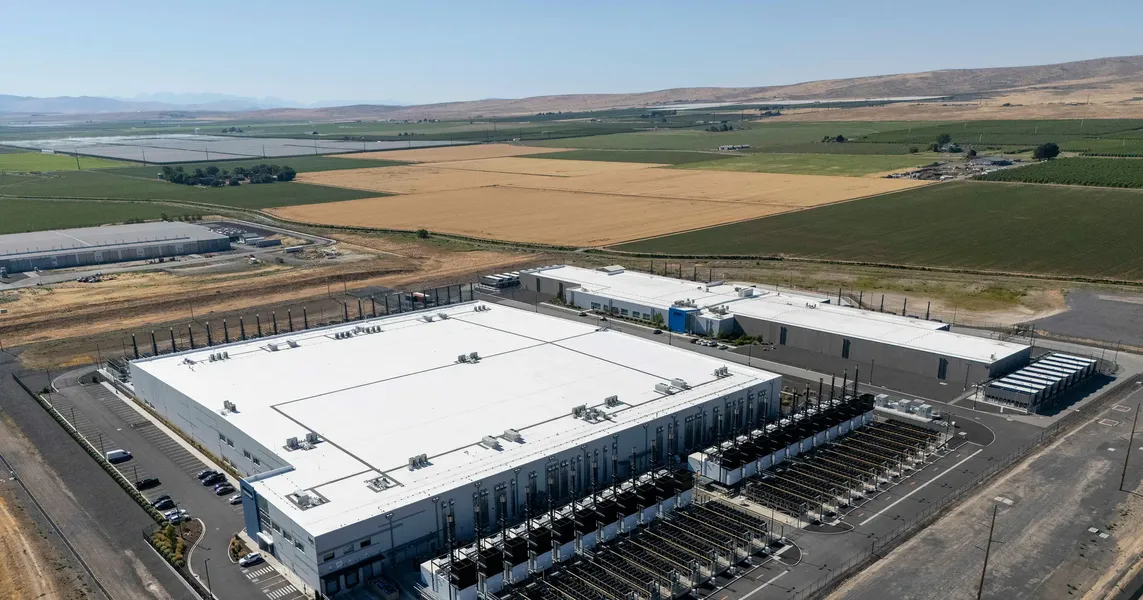
Meta's Hyperion data center project in Louisiana was a focal point of industry presence at the conference. Meta President Dina Powell McCormick touted the economic benefits of AI infrastructure, while Exelon CEO Calvin Butler warned about energy prices and quality-of-life impacts CNBC. Rep. Steven Horsford framed AI as "the economic revolution of our generation" and stressed that Black Americans cannot be left behind CNBC. For builders, data center expansion affects compute availability and cost, and policy debates around energy use could lead to new siting or efficiency regulations.
Redistricting pressures add policy urgency
The Supreme Court's Louisiana v. Callais ruling could make it harder to create minority-majority districts, putting up to 19 CBC seats at risk according to Chair Yvette Clarke CNBC. This adds urgency for the CBC to advance AI regulation while its members hold influence. For builders, the timeline for federal AI policy may accelerate as lawmakers seek to act before potential redistricting changes.
What AI builders should watch next
House Speaker Mike Johnson has declined to schedule an AI bill, and President Trump called AI-safety concerns a "hoax" CNBC. The CBC's push is strong but faces partisan headwinds. Builders should start preparing for transparency requirements, safety documentation, and potential data center compliance costs. The CBC's near-unanimous stance makes it a force to watch, but no legislation is imminent. The practical takeaway: regulation is coming, and the guardrails debate will shape how AI products are deployed and monitored.
FAQs
Sources
- AI, data center alarms dominate Congressional Black Caucus week in Washington
- Troy Carter counts 60 of 62 Black Caucus votes for AI guardrails
- AI, data center alarms dominate Congressional Black Caucus...
- AI, data center alarms dominate Congressional Black Caucus...
- AI, data center alarms dominate Congressional Black Caucus...
- AI, data center alarms dominate Congressional Black Caucus week in Washington
- For Black leaders, the AI threat isn’t hypothetical. It’s here now.
- Congress isn’t rushing after AI alarms