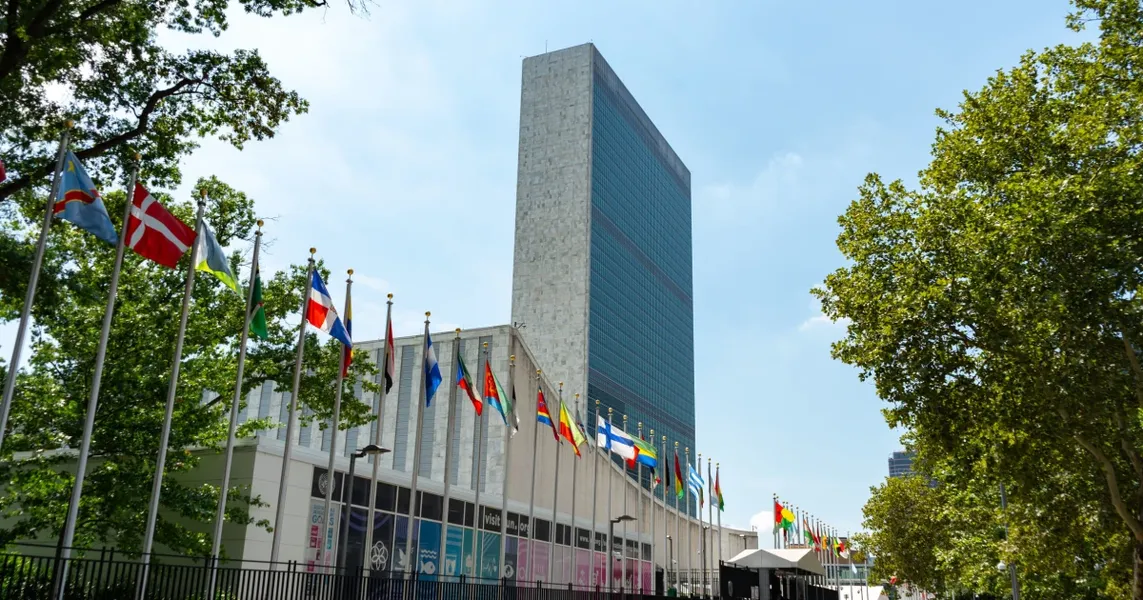
Global AI governance gains steam as 20 nations push for oversight body at UN
Published by AINave Editorial • Reviewed by Ramit
A coalition of 20 nations issued a statement on the eve of the United Nations General Assembly calling for a new international body to oversee frontier AI development. The move signals growing political momentum for coordinated governance, but the absence of the US, UK, and China leaves major questions about enforcement and scope.
What the statement asks for
The declaration, posted by Finland's president, makes three concrete demands on AI companies and governments: require pre-deployment safety testing for frontier systems, allow independent evaluators to assess risks from company practices, and develop common safety standards across governments and regional groups. It also urges UN members to "explore creating an international institution" that could set standards, enable verification, and convene states when certain AI capability thresholds are crossed.
The signatories include Canadian Prime Minister Mark Carney, Australian Prime Minister Anthony Albanese, Kenyan President William Ruto, Netherlands Prime Minister Rob Jetten, South African President Cyril Ramaphosa, and officials from Turkey, the UAE, and the European Commission. Notably, the US, UK, and China did not sign.
What this means for AI builders
The push reflects a growing appetite among middle-power governments to impose structured oversight on frontier AI, which could eventually translate into binding regulatory requirements for developers and labs. If the proposed institution materializes, teams building or deploying advanced models may face mandatory pre-deployment evaluations and ongoing risk audits similar to what financial or medical software already undergoes.
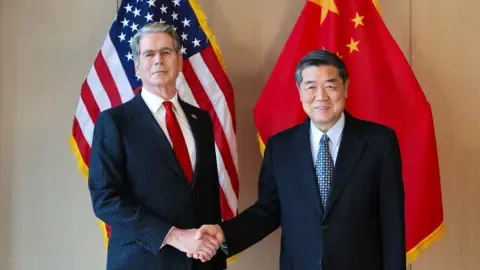
OpenAI released its own set of international AI safety standards on the same day, recommending that global coordination run through the US Center for AI Security and Innovation. Meanwhile, US Treasury Secretary Scott Bessent and Chinese Vice Premier He Lifeng discussed a bilateral AI incident notification mechanism over the weekend, and President Xi Jinping's three-day state visit to Washington this week will include discussions on managing shared risks from powerful models.
These parallel tracks suggest that even without a single global body, some form of cross-border governance is being built from multiple directions. Builders should pay attention to the emerging norms around incident reporting, independent auditing, and safety testing, as these could become de facto standards regardless of treaty status.
What remains uncertain: absent major powers, no binding rules yet
Several important caveats limit near-term impact. The US has publicly opposed creating new AI regulatory bodies, with the Trump administration urging G20 members against establishing dedicated AI watchdogs. The US, UK, and China's refusal to sign the statement means the most influential AI development hubs are not on board.
Nick Moes of the AI governance nonprofit The Future Society told NBC News that while the initiative is welcome, "mobilizing diplomatic, political and financial capital will be needed to bring about the change that they agreed is necessary." The statement remains aspirational, and no timeline or institutional design has been proposed.
For now, the practical effect on builders is indirect: the regulatory landscape is becoming more visible, but no lab needs to change its deployment process yet. The watch item is whether the US-China dialogue or the proposed international institution advances beyond statements into enforceable mechanisms.
FAQs
Sources
- 20 nations call for new global body to oversee AI
- AI and autonomous weapons are high on the agenda at the UN General Assembly
- OpenAI proposes AI standards after U.S., China talks
- Australia joins international push for AI safeguards, warning governments must act now
- OpenAI calls for global US-led coalition on AI safety
- What's at stake in U.S.-China talks
- 20 nations call for new global body to oversee AI ahead of... - AOL
- 20 nations call for new global body to oversee AI
- Rishi Sunak pushing for a GLOBAL BODY to oversee AI... - YouTube
- An international body will need to oversee AI regulation, but we need...
- US urges G20 nations to avoid strict AI regulation
- 20 nations call for new global body to oversee AI ahead of U.N. Gereral Assembly
- Wow! The Federal Reserve's May Inflation Forecast Was Just Updated, and Things...
- Millions of Americans brace for dangerous cold and Trump's 'Board of Peace'...
- Where OpenAI, Anthropic, Google, Meta, and other AI giants stand on regulation
- The Latest: Greenland and threat of Trump tariffs loom over Davos
- Twenty-nation coalition calls for global oversight body on AI ahead of UN summit
- Twenty-nine countries sign agreement to establish global AI cooperation body - The Economic Times
- ‘Hands-Off’ On AI: Trump Admin To Urge G-20 Nations Against New Watchdogs | World News - News18
- Twenty-nine countries sign agreement to establish global ...