$400 Billion in AI Infrastructure Debt Raises Maturity Mismatch Concerns
Published by AINave Editorial • Reviewed by Ramit
The debt financing the AI buildout is structured in a way that worries at least one economist who called the 2008 housing crisis early. Mark Thornton warns that 30-year bonds are being used to buy equipment with a working life closer to three years, a mismatch that has historically ended badly.
AI-related borrowing has passed $400 billion this year, according to Bloomberg data cited in a Kitco interview with Thornton. Tech companies and hyperscalers now make up more than 20% of the investment-grade bond index maturing in 10 years or longer. Apollo Global Management estimates AI borrowing accounts for nearly 40% of all new corporate bond supply. SoftBank recently tested investor appetite for more than $11 billion of junk-rated debt to fund OpenAI, with yields between 9% and 10%, one of the largest single-company high-yield bond sales ever.
Meanwhile, Amazon, Microsoft, Alphabet, and Meta are on track to spend roughly $725 billion on AI infrastructure this year, up 77% from last year, largely funded by cash flow redirected from traditional operations.
The practical risk for AI builders
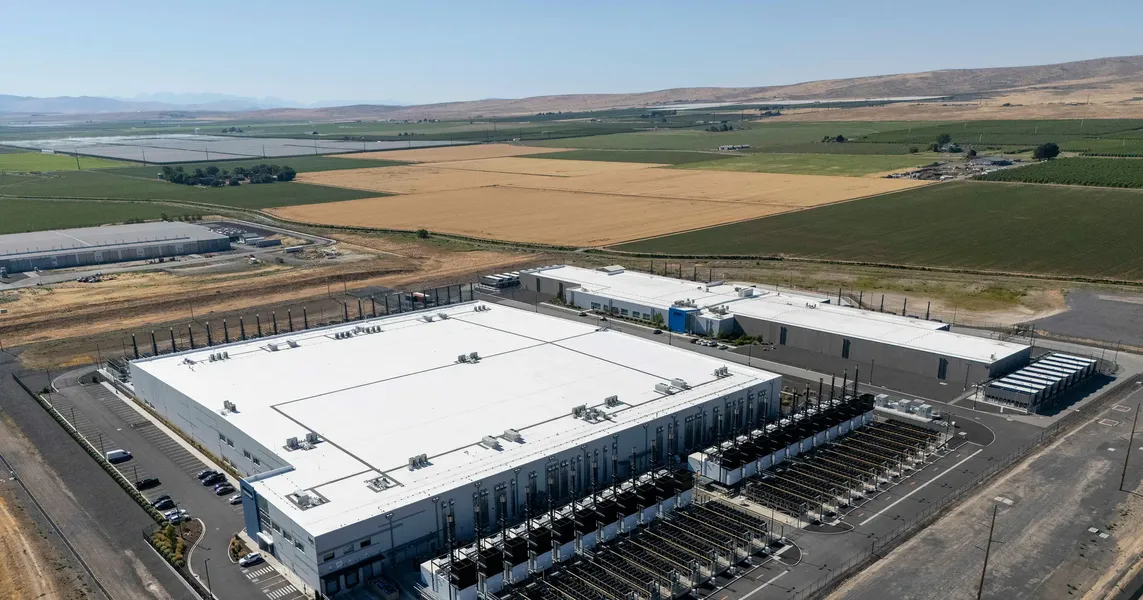
This financing structure matters if you depend on AI infrastructure for your products or workflows. The core problem is a duration mismatch. Long-term debt is issued to build data centers and buy GPUs, but the hardware has a much shorter economic life. If demand softens or technology shifts faster than expected, the companies that borrowed may struggle to service the debt, which could affect data center pricing, power contracts, and the availability of compute for tenants.
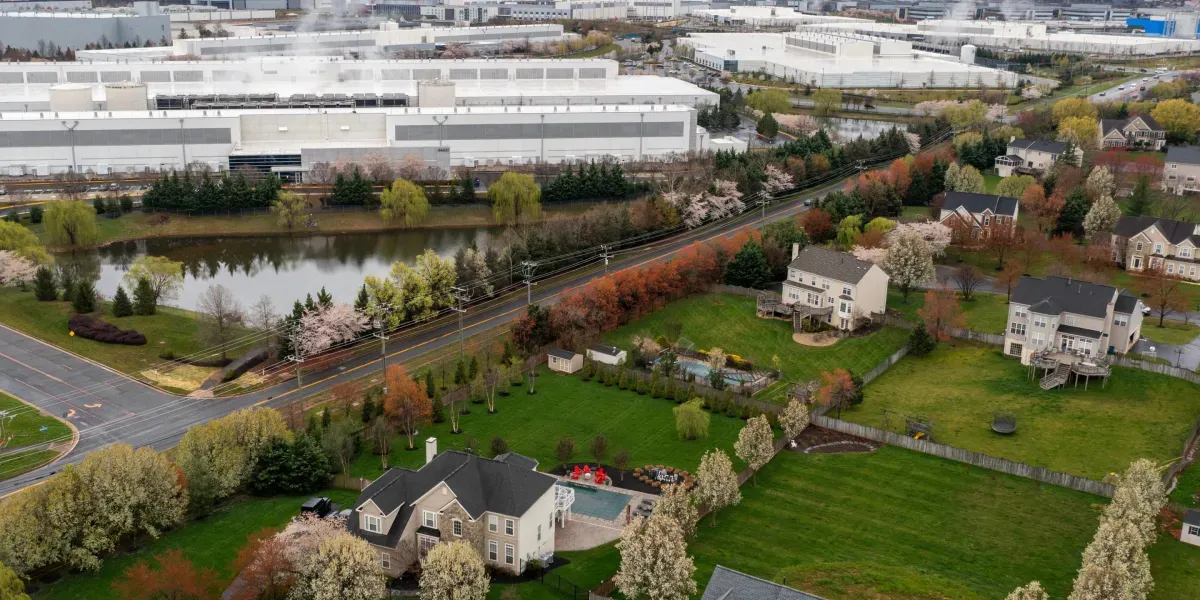
Thornton draws a parallel to the skyscraper curse: record-breaking towers tend to be started near the top of a cycle, financed by cheap money, and followed by a bust. He argues data centers are the same animal in a different shape, spreading across rural land instead of going vertical. The difference is that utilities are signing long-term power contracts to serve these sites, and if tenants stop paying, Thornton suspects the burden may fall on taxpayers and utility customers rather than the hyperscalers themselves.
Chicago Fed President Austan Goolsbee recently noted that business contacts in his district are describing something that sounds like old-fashioned overheating, with AI data center demand driving up electricity use. That signals the scale of the buildout is already affecting broader economic indicators.
What remains uncertain
All of these figures come from a single interview and related reporting. The $400 billion debt number, the 40% share of new corporate bond supply, and the 30-year versus three-year asset life comparison are reported assertions, not independently verified constants. Broader market dynamics and the actual risk of default or cost pass-through remain speculative.
For AI builders, the takeaway is not to panic but to pay attention. If the financing model for data centers shifts under pressure, the cost and availability of compute could change. Keep an eye on who holds the debt and how power contracts are structured in the facilities you rely on.