British Columbia sues OpenAI over ChatGPT role in Tumbler Ridge shooting
Published by AINave Editorial • Reviewed by Ramit
The Canadian province of British Columbia is suing OpenAI and CEO Sam Altman for failing to notify law enforcement about violent threats made on ChatGPT before a school shooting that killed eight people. The lawsuit, filed in federal court in San Francisco, argues that the shooting could have been prevented if OpenAI had shared safety flags with police. For builders, the case signals a growing legal risk for AI platforms that detect credible threats but lack clear reporting pipelines.
The lawsuit and what it alleges
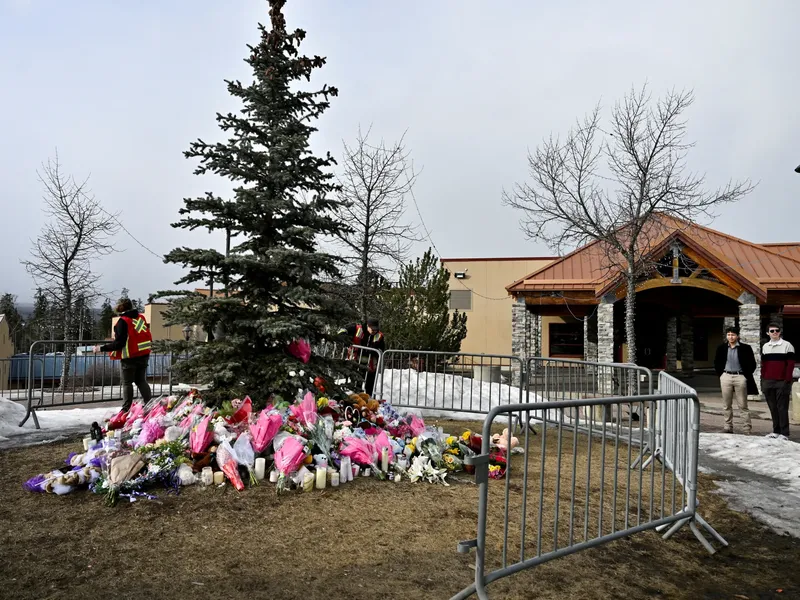
The lawsuit, filed on September 21, 2026, names OpenAI and Sam Altman as defendants. It centers on the February 10, 2026 mass shooting in Tumbler Ridge, British Columbia, where 18-year-old Jesse Van Rootselaar killed eight people, including her mother, half-brother, five children at a secondary school, and an educator, before dying by suicide. According to the province, Van Rootselaar had been flagged by ChatGPT's safety team after conversations about gun violence, but OpenAI did not alert police.
British Columbia Attorney General Niki Sharma said the lawsuit seeks justice for the community and raises serious questions about tech firms' responsibilities when they become aware of credible threats. The province is asking for financial compensation to cover emergency response and community recovery costs, as well as a court order forcing OpenAI to overhaul how it identifies and handles user conversations that threaten violence.
The lawsuit also claims that Altman published a letter in April 2026 apologizing and promising reforms, but never followed through despite efforts by the province to engage.
Why this matters for AI product safety
This case is not an isolated incident. Over 30 lawsuits have already been filed by victims' families and survivors in the same California federal court, accusing OpenAI of negligence for failing to intervene. If the court orders OpenAI to change its threat detection and notification processes, it could set a precedent that affects every AI platform that interacts with users.
For builders, the practical implication is clear: if your AI product can detect credible threats of violence, you may face a legal obligation to report them to authorities. This creates design and policy challenges. How do you determine threat credibility? What data do you share without violating privacy? How do you handle false positives? The case could accelerate calls for standardized safety protocols across the industry.
Caveats and open questions
The lawsuit is in its early stages, and no court ruling has been issued. OpenAI has not yet filed a formal response. The legal duty to report threats is not clearly established under current law, and the outcome may hinge on how courts interpret platform liability and Section 230 protections. The specific nature of the ChatGPT interactions that triggered safety flags has not been publicly detailed, so it's difficult to assess the strength of the province's claims.
The case also raises questions about the balance between safety and user privacy. If platforms are required to report all flagged threats, they may need to monitor user conversations more aggressively, which could conflict with privacy norms. Builders should watch this case closely as it could shape regulatory expectations for years to come.
FAQs
Sources
- Canada’s BC sues OpenAI over ChatGPT role in Tumbler Ridge school shooting
- B.C. government suing OpenAI for alleged role in Tumbler Ridge mass shooting | CBC News
- Canadian province sues OpenAI over Tumbler Ridge mass shooting
- Canada’s BC sues OpenAI over ChatGPT role in Tumbler Ridge school shooting - Dominican Republic Post – Caribbean News, Business, Travel & Culture
- British Columbia Sues OpenAI Over Tumbler Ridge Shooting - The New York Times
- Teacher, students sue OpenAI over deadly Canadian school shooting: ‘Product that encouraged a deranged teen’
- 30 more lawsuits filed against OpenAI over Tumbler Ridge school shooting, bringing total to 37
- OpenAI faces 30 more lawsuits tied to Tumbler Ridge shooting
- OpenAI hit with 30 lawsuits over Canadian school shooting
- OpenAI faces new lawsuits over Tumbler Ridge mass shooting tragedy
- British Columbia sues OpenAI and Sam Altman over Tumbler...
- British Columbia Sues OpenAI Over Canada Mass Shooting...
- British Columbia Files Lawsuit Against OpenAI Over School Shooting
- OpenAI hit with 30 more lawsuits: ChatGPT safety claims escalate after Canada shooting
- New lawsuits claim OpenAI execs put image ahead of safety in Canadian mass shooting