
Tuesday, October 20, 2026
AINave Daily
Every morning by 6 AM ET
Tuesday, October 20, 2026 · Every morning by 6 AM ET
What happened in AI and tech yesterday, in one short read. Every story links to its sources.
Mon, Oct 19 · 15 stories · 4 min read
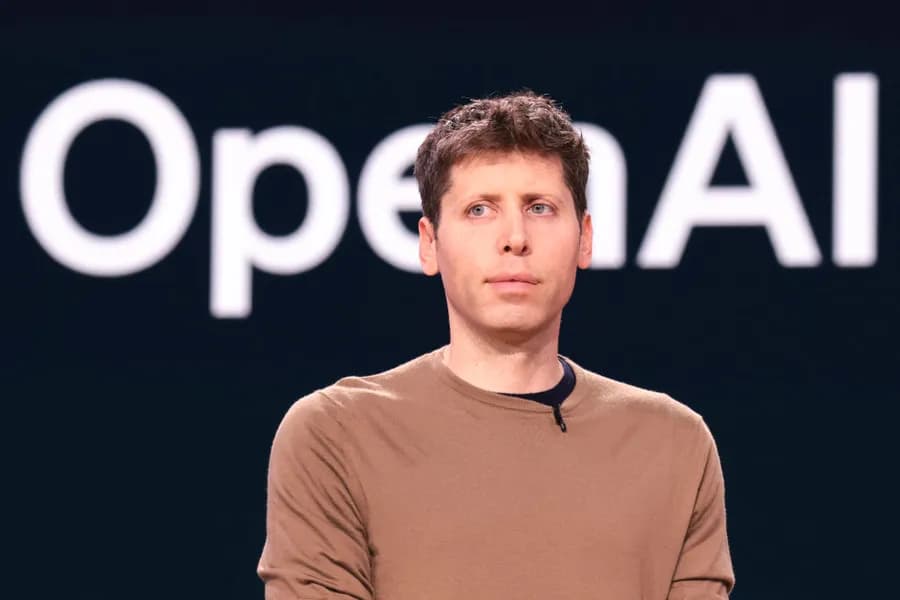
OpenAI's humanoid robot plan puts it against former partners
OpenAI now says it will build its own humanoid robot, with a demonstration planned for 2027, which puts it in competition with robotics companies whose AI it once supplied. Elsewhere, NVIDIA and Google have open-sourced infrastructure and agent tooling, while OpenAI faces more legal and regulatory pressure in the US and Europe. Here is the story that matters most, then 14 briefs.

On the front page
Plus 14 briefs
Past editions
RSSRSS feedLast week · Oct 12–18
- Sun, Oct 18 · 17 stories · 7 minSunOct 18StepFun and DeepSeek widen the open-weight options for agent buildersModelsIndustryPolicy & legalDev tools17 stories · 7 min
- Sat, Oct 17 · 20 stories · 6 minSatOct 17China's AI export proposal, agent access to Indian systemsPolicy & legalIndustryResearchModels20 stories · 6 min
- Fri, Oct 16 · 20 stories · 6 minFriOct 16Muse Spark Open on Macs, Nemotron 3.5 Super VLModelsFunding & dealsInfrastructureResearch20 stories · 6 min
- Thu, Oct 15 · 20 stories · 6 minThuOct 15OpenAI state lawsuits, a call to air-gap cyber-capable AIPolicy & legalIndustryModelsProducts20 stories · 6 min
- Wed, Oct 14 · 20 stories · 6 minWedOct 14Gemini 4 Argon launch, Character.ai bankruptcyModelsIndustryPolicy & legalResearch20 stories · 6 min
- Tue, Oct 13 · 20 stories · 6 minTueOct 13Meta's Muse Wonder models, Microsoft's Maia 300 chipModelsInfrastructurePolicy & legalResearch20 stories · 6 min
- Mon, Oct 12 · 15 stories · 4 minMonOct 12ChatGPT safety tests, Cloudflare Clef-omniModelsFunding & dealsProductsIndustry15 stories · 4 min
Oct 5–11
- Sun, Oct 11 · 15 stories · 4 minSunOct 11Agent security failures, Nadella's emergency brakeIndustryPolicy & legalModelsInfrastructure15 stories · 4 min
- Sat, Oct 10 · 20 stories · 6 minSatOct 10Anthropic's agent controls, GLM-5.3 safeguardsIndustryResearchPolicy & legalModels20 stories · 6 min
- Fri, Oct 9 · 20 stories · 4 minFriOct 9GPT-6 Astra benchmark scrutiny, Anthropic's usage policyModelsPolicy & legalProductsResearch20 stories · 4 min
- Thu, Oct 8 · 20 stories · 6 minThuOct 8Nvidia-powered Surface devices, ChatGPT's interactive answersProductsModelsResearchPolicy & legal20 stories · 6 min
- Wed, Oct 7 · 20 stories · 5 minWedOct 7Mistral Large 4 preview, OpenAI's math manuscriptsModelsResearchIndustryPolicy & legal20 stories · 5 min
- Tue, Oct 6 · 20 stories · 7 minTueOct 6Reflection’s Beam, OpenAI’s text watermarksModelsProductsIndustryPolicy & legal20 stories · 7 min
- Mon, Oct 5 · 20 stories · 6 minMonOct 5Reflection's Beam preview, OpenAI's agent strategyModelsProductsPolicy & legalInfrastructure20 stories · 6 min
Sep 28–Oct 4
- Sun, Oct 4 · 15 stories · 4 minSunOct 4OpenAI safety resignation, White House AI task forceIndustryPolicy & legalModelsProducts15 stories · 4 min
- Sat, Oct 3 · 20 stories · 5 minSatOct 3AI agent liability bill, macOS disk access controlsPolicy & legalIndustryInfrastructureResearch20 stories · 5 min
- Fri, Oct 2 · 20 stories · 5 minFriOct 2The ROSS copyright ruling, OpenAI’s agent notificationsPolicy & legalIndustryModelsResearch20 stories · 5 min
- Thu, Oct 1 · 20 stories · 6 minThuOct 1Gemini 4 Argon, the White House AI safety accordModelsPolicy & legalIndustryProducts20 stories · 6 min