EU's AI gigafactories: funding, timelines, and sovereignty plan
Published by AINave Editorial • Reviewed by Ramit
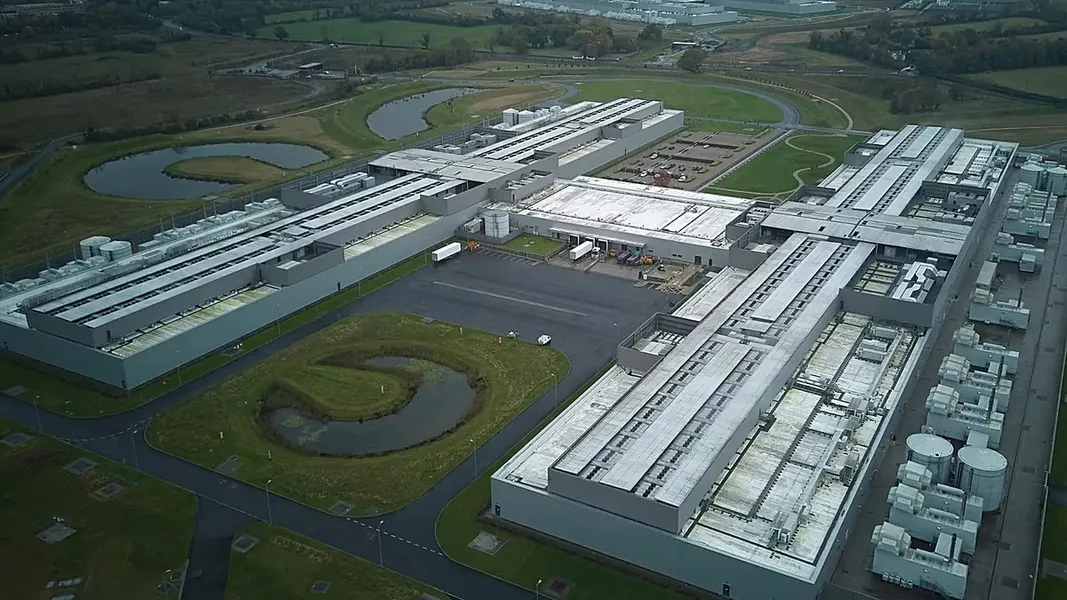
The European Commission has opened a call for tenders to build up to seven AI gigafactories across Europe, a sovereign infrastructure push to train next-generation AI models and reduce reliance on foreign cloud and chip suppliers. For AI builders and founders in Europe, this could mean dedicated compute access for research and commercial projects, but the timeline stretches to 2028 and funding depends on ongoing budget negotiations.
What happened
The European Commission launched a call for tenders to publicly finance up to seven AI gigafactories in Europe, as part of a broader tech sovereignty push to cut dependence on foreign cloud services and chips Euronews. The initiative was first announced by Commission President Ursula von der Leyen at the AI Action Summit in Paris in February 2025 Reuters.
Since then, 76 consortia have expressed preliminary interest in submitting a project proposal. The Commission expanded its initial scope from four or five gigafactories to up to seven to accommodate private sector appetite and ensure geographical spread Euronews.
The procurement is split into two consecutive phases over roughly six and a half years due to funding constraints. Public funding accounts for about one-third of total investment, with the remainder coming from private investment and member state contributions. Brussels plans to contribute roughly €5 billion, matched by another €5 billion from European governments, alongside around €20 billion in private investment Euronews. Under the current budget, however, Brussels can only commit €1 billion, with the rest expected from the next Multiannual Financial Framework (MFF) Euronews.
Ten EU member states have expressed interest in hosting a gigafactory: Germany, Italy, France, Poland, Czechia, Denmark, Finland, Greece, Portugal, and Spain. Paris has already signaled it intends to bid solo Euronews.
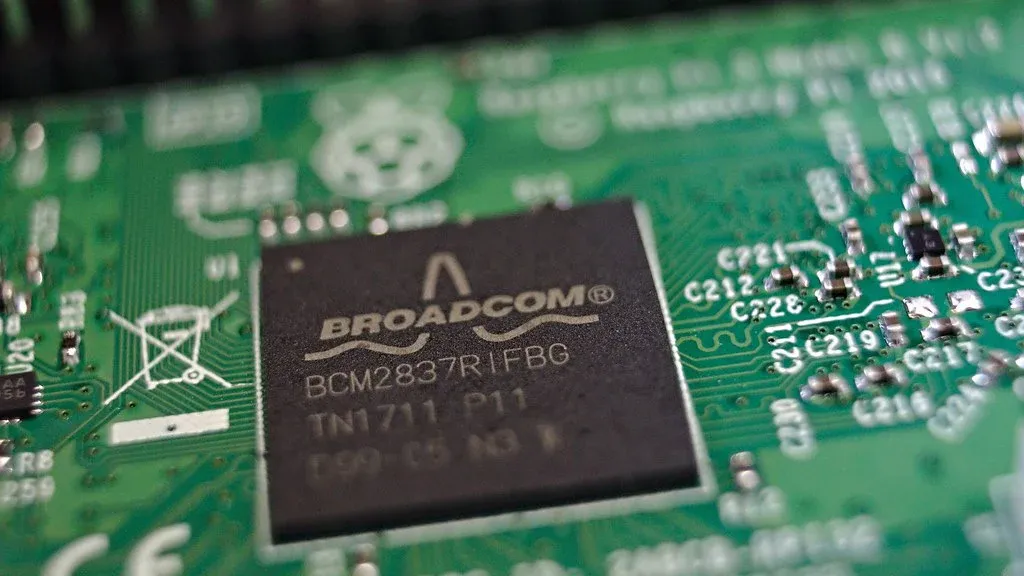
The Commission has signed memoranda of understanding with three chipmakers: Nvidia, AMD, and Qualcomm to provide sovereign compute access and help avoid vendor lock-in Euronews. Construction could begin in 2027 with facilities becoming operational by mid-2028 Euronews.
Why AI builders should care
For AI builders, founders, and product teams in Europe, the gigafactories represent a potential source of sovereign compute for training large models. In exchange for public contributions, the EU and supporting member states will receive a proportionate share of compute access to allocate to public projects, research centres, and AI labs of their choosing Euronews. This could reduce dependency on US-based cloud providers and offer more predictable pricing for European AI startups.
The MOUs with Nvidia, AMD, and Qualcomm also signal that the EU is trying to secure access to cutting-edge chips without being locked into a single vendor Euronews. For builders, this could mean more diverse hardware options for training and inference workloads.
Practical implications
The phased approach means capacity will come online gradually. The first phase will be financed from the EU's current multi-annual budget, which expires next year Euractiv. All operating costs will fall on private actors, with EU officials insisting projects must be financially sustainable by developing their own commercial services Euronews.
Public compute allocation will be a key feature: governments and research labs get priority access proportional to their investment. This could create a two-tier market where publicly funded compute is cheaper or reserved for specific projects, while commercial users pay market rates.
Caveats
Funding amounts and shares are subject to negotiation and the next Multiannual Financial Framework (MFF), which remains a moving target Euronews. The Commission has drawn criticism for repeatedly delaying the initiative, slowing Europe's pace relative to the US and China Euronews.
While the MOUs with chipmakers aim to avoid vendor lock-in, the EU remains heavily reliant on foreign suppliers for specialised AI chips. The tender evaluation includes measures to mitigate lock-in effects, but the details are not yet public Euronews.
Evidence for this article relies on the initial call and official statements; details may evolve as tenders are issued and project plans mature.
Sources
- EU opens call for seven 'gigafactories' to train next-generation AI technologies
- EU opens call for seven 'gigafactories' to train AI technologies
- Artificial intelligence: EU launches call for tenders for ...
- EU's 10-billion-euro push for AI gigafactories aims to close ...
- EU aims for seven AI gigafactories with €10 billion plan in ...
- Europe News: EU opens call for seven AI gigafactories to ...
- EU opens call for seven 'gigafactories' to train next-generation AI technologies
- EU finally fires the starting gun on AI gigafactories | Euractiv
- An inside look at the EU’s push to build AI gigafactories | Euractiv
- An inside look at the EU’s push to build AI gigafactories - The Daily
- EU defers formal call for AI gigafactories to early 2026
- AI Gigafactories in Germany: Munich and EU Funding
- Poland pushes for ai gigafactory with 100 million euro... - Industry Alarm
- EU Opens Call for Creation of Local AI Gigafactories