Stanford AI-Altered Student Photo Violated University Policy
Published by AINave Editorial • Reviewed by Ramit
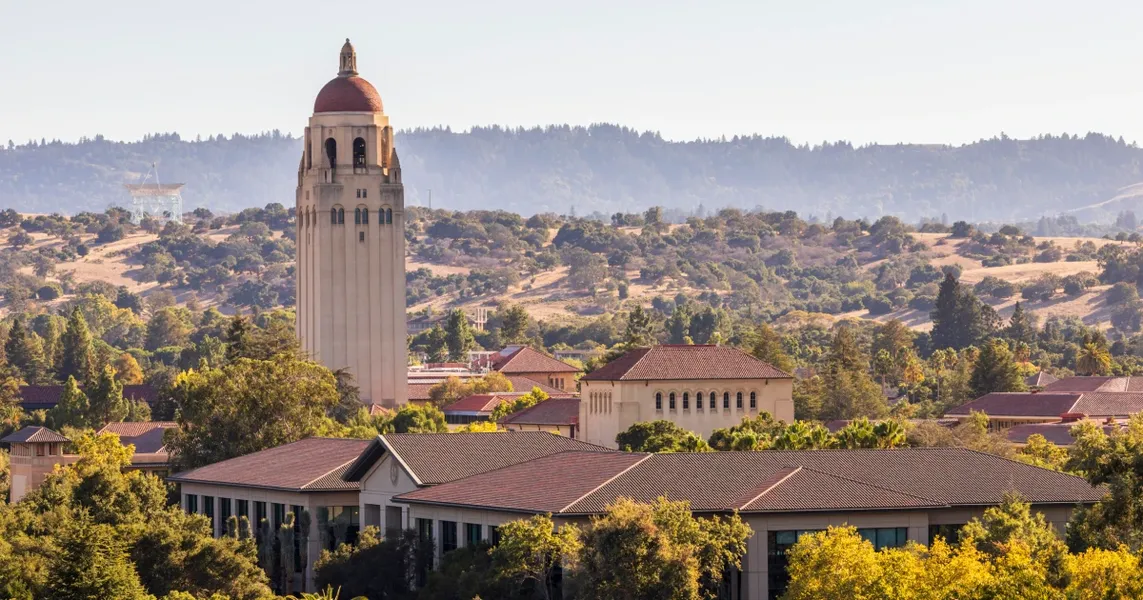
Stanford’s AI-altered student photo controversy centers on more than retouching: a dining promotion replaced one student with a different, AI-generated person. The university said the edit violated its policy on AI use in marketing and communications, calling it a “serious error in judgment” and apologizing to the students affected (Stanford’s statement and the reported image changes).
The edit changed who appeared in the promotion
The original photo showed three students holding plates in front of Star Ginger, a restaurant in a university dining hall. In the altered version, one male student was replaced with an AI-generated Black female student, while the other two people were made to look noticeably slimmer (the reported comparison).
Reporting identified the student removed from the image as Billy Ramirez, who is Hispanic. Ramirez said that seeing himself erased was upsetting, and objected to the university making choices about how students were represented (Ramirez’s account).
That distinction matters for teams using image-generation tools in communications. A change to a person’s likeness can also change the identity and representation an image claims to show. Here, Stanford itself said the alteration and the way it was made crossed a policy line; this was not just a question of whether the image looked convincing.
A campus ad became a question of representation
Stanford Residential & Dining Enterprises used the image in advertising. Garret Molloy, editor-in-chief of student newspaper The Stanford Review, said altered photos appeared on welcome banners around campus (the reported advertising use and Molloy’s account).
The episode also shows why marketing review needs to cover the meaning of an edit, not only its visual quality. Replacing a real person with a generated person can make a promotional image present a different group of people than the photograph originally captured. Slimming the remaining students adds another kind of alteration to the same image.
Stanford says its investigation is underway
Stanford said it apologized to the students whose images were altered or erased and launched an investigation to determine what happened. It also said it would put protocols in place to prevent a recurrence (Stanford’s apology and stated next steps).
The available reporting does not identify the AI tool, explain the editing workflow, reproduce the policy, or give the investigation’s findings or the details of the promised protocols. So the immediate record is clear about the outcome Stanford acknowledged, but not how the image passed through its marketing process. That process is the practical issue the investigation will need to clarify: what review failed, and what safeguard will catch identity-changing edits before they reach public-facing material.
FAQs
Sources
- Stanford apologizes saying AI-altered photo that changed student’s gender and race violated policy
- Stanford apologizes saying AI-altered photo that changed student's ...
- Stanford admits to AI race-and-gender swap in doctored student ad
- Stanford admits AI used to swap student gender, race
- Stanford AI-Edits Photo to Change Student’s Race and Gender
- Stanford admits breaking own policy after race-, gender-swapped student ...
- AI-Edited Stanford Ad Violated Campus Policy, Official Says
- Stanford student says he was ‘erased’ after university photo change sparks AI controversy
- Stanford University Accused of Using AI to Change Race and Gender of Student in Advertisement Photo
- Students outraged after Stanford University uses AI to alter race in photo
- Stanford housing and catering department used AI to change students’ race, gender, weight