F-35 Parts Diverted to Hong Kong: What Builders Should Know About Defense Supply Chain and AI Governance Risks
Published by AINave Editorial • Reviewed by Ramit
A shipment of sensitive F-35 stealth fighter parts was diverted to Hong Kong while en route from Australia to the United States, and Chinese authorities are now holding the components. The incident, first reported by Bloomberg Horizons MEA and covered by The Straits Times, has sparked investigations on Capitol Hill and in Canberra. For AI builders and tech operators, this story connects directly to supply chain vulnerabilities and the growing intersection of AI governance with national security policy.
How a routine shipment became a national security incident
The parts, described as coated with radar-absorbing material and supplied by Lockheed Martin, were inexplicably rerouted via South Korea and Hong Kong, according to The Sydney Morning Herald. A UPS shipment carried the components, and the reasons for the diversion remain unclear. The Chinese government has taken possession of the parts, Politico reports, prompting a Pentagon investigation and a congressional inquiry into how sensitive military technology could end up in adversary hands.
The Japan Times notes that the parts were destined for the U.S. from Australia, and the diversion happened this summer. The Aviationist adds that inquiries are underway within the Australian Department of Defence as well.
Why AI governance is part of this story
The Bloomberg report frames the incident alongside warnings from AI executives to world leaders about the risks of ungoverned AI development. While the exact nature of those warnings is not detailed in the available sources, the timing ties defense supply chain security to broader debates about dual-use technology, export controls, and global AI governance. For builders working with AI models that could be applied in defense, intelligence, or critical infrastructure, this incident reinforces that technology supply chains are geopolitical flashpoints.
What builders should watch
For teams shipping AI products, this case highlights three practical concerns:
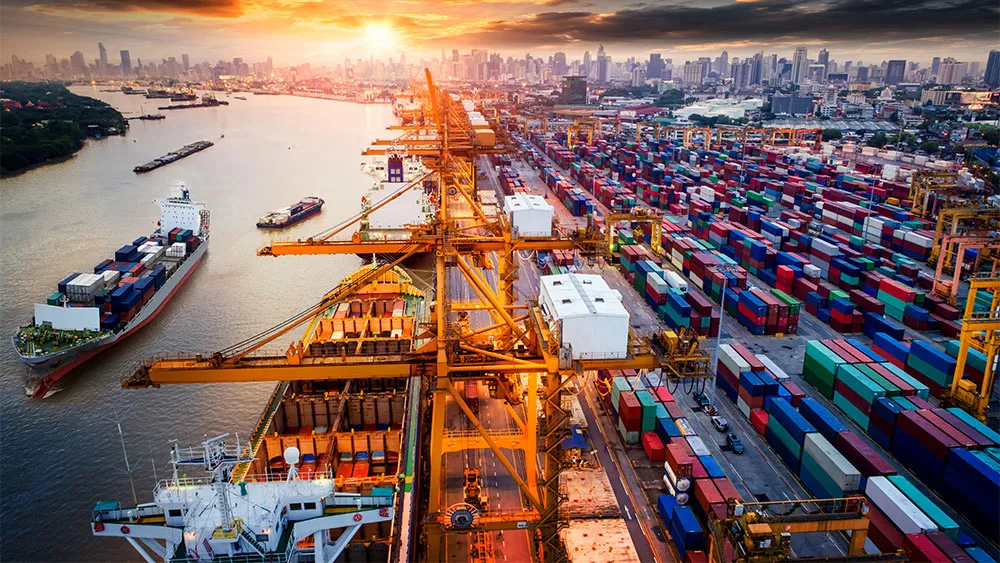
- Supply chain resilience: if a routine logistics failure can redirect F-35 parts, similar vulnerabilities exist for AI hardware components like GPUs, memory, and networking gear. Diversification of suppliers and logistics routes matters.
- Export control tightening: expect more scrutiny on shipments of sensitive technology through Hong Kong and other transshipment hubs. Companies moving advanced chips or AI hardware should review compliance processes.
- AI governance policy acceleration: the juxtaposition of this incident with AI leaders urging global coordination suggests that defense concerns may drive faster regulation of dual-use AI models, particularly around data localization and model export.
Caveats remain: details of the AI executives' warnings and the full investigation timeline are not yet public. The diversion itself is still under investigation, and it is unclear whether it was intentional or a logistical error. Builders should monitor the Pentagon and Capitol Hill findings for further policy shifts.
FAQs
Sources
- China Holds Sensitive F-35 Parts Diverted to Hong Kong, AI Bosses Warn World Leaders
- Hill investigates after F-35 parts diverted to Hong Kong
- China holding sensitive F-35 parts diverted to Hong Kong
- China reportedly holds F-35 parts diverted to Hong Kong - Yahoo
- China holds sensitive F-35 parts diverted to Hong Kong | The Straits Times
- F-35 Spare Parts Diverted to Hong Kong, Prompting U.S. and Australian ...
- China swiped F-35 stealth fighter parts that were diverted through Hong Kong
- The Chinese government takes possession of sensitive F-35 parts diverted to Hong Kong
- World’s Largest Fighter Program Suffers Major Setback as China Obtains Key F-35 Stealth Airframe Parts for Study
- F-35 spare parts diverted to Hong Kong, prompting US and Australian investigations
- Pentagon investigates after China obtains parts from F-35 stealth fighter jet
- Google News - F-35 fighter jet parts diverted to Hong Kong - Overview
- China holds sensitive F-35 parts diverted to Hong Kong
- China holding sensitive F-35 jet parts diverted to Hong Kong after...
- Has China received US F-35 parts by diverting an... | Al Jazeera
- China holds sensitive F-35 parts after shipment... | BolNews