Muse AI takes center stage at Meta Connect 2026: What builders need to know
Published by AINave Editorial • Reviewed by Ramit
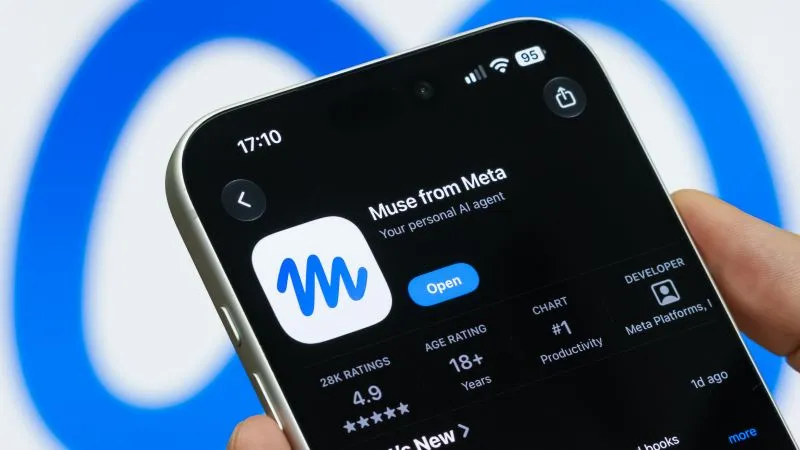
Meta Connect 2026 was all about Muse AI, the company's personal agent that can run on your Mac, integrate with third-party services, and is now embedded across a new hardware lineup. For builders, the most important takeaway is the Connector Platform, which opens a new distribution channel for AI-powered commerce and workflow integrations, with future monetization through transaction fees.
Muse AI becomes Meta's core platform
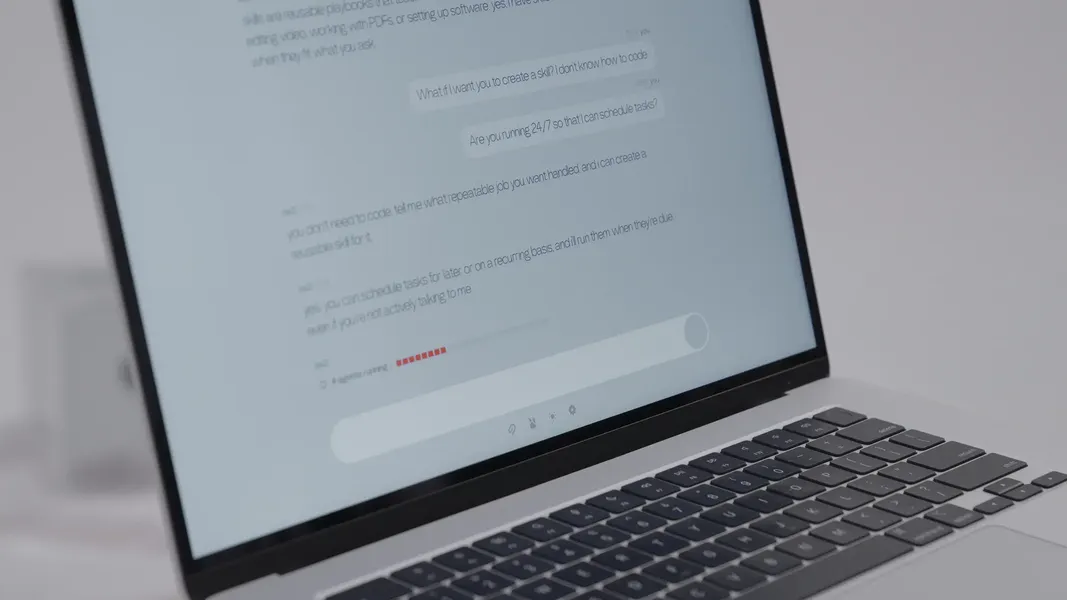
CEO Mark Zuckerberg opened the keynote by calling Muse a "personal superintelligence" and positioned it at the center of every hardware announcement. Muse can set goals, brainstorm ideas, plan tasks, and customize your feed. Chief AI Officer Alexandr Wang demonstrated Muse finding a replacement for a broken vase, planning a vacation, and even negotiating an insurance bill. The agent can run any program on a user's Mac in the background with permission, and Meta says it will eventually work in email.
Meta also launched the Connector Platform, enabling developers to build integrations that link third-party apps to Muse. Retailers including Walmart, Best Buy, Gap, and Sephora are integrating so Muse can shop and purchase items on their behalf, with Stripe and Shopify handling the shopping experience. Expedia is joining for travel, and work tools like Box, GitHub, and Granola are also on board. Meta says it received over 1,500 developer applications in the first week.
The Connector Platform opens a new distribution channel
For AI builders, the Connector Platform is the most significant announcement. It lets you build Muse-powered experiences that can execute transactions, manage calendars, and interact with users across devices. Meta's monetization plan is to take a small fee on transactions the assistant helps complete, which means there is a clear incentive for developers to build integrations that drive commerce. The platform already has Stripe and Shopify support, so payments are built in.
The hardware ecosystem also matters. Muse is embedded in the new Ray-Ban Meta Gen 3 glasses (slimmer, 9-hour battery, six microphones, Dolby Atmos, starting at $449), the camera-free Ray-Ban Meta Audio glasses ($349, shipping October 13), and the upcoming Meta VR Glasses (~100g, micro-OLED 5K display, IMAX Enhanced, $1,299.99, spring 2027). The Muse Charm, a palm-sized device with a 2-inch OLED touchscreen and cameras for visual context, ships in December. Each device is a new surface for your integration to reach users.
What changes for developers building on Muse
If you want to build a Muse integration, you can apply to the Connector Platform now. The initial focus is on shopping, travel, and productivity, but the platform is open to any use case. Because Muse can run background processes on a Mac, you can build cross-device workflows that trigger actions without the user being present. The transactional fee model means your integration could generate revenue for Meta and potentially for you through partnerships.
What remains unclear
Several details are still missing. Meta has not announced pricing for the Muse Charm, though Bloomberg reports it is expected to cost roughly as much as a smartwatch. The camera-free Ray-Ban Meta Audio glasses address privacy concerns, but the broader privacy implications of always-on AI wearables are still evolving. Some claims in the keynote, such as the FDA hearing aid certification and benchmark performance, are vendor-reported and have not been independently verified. Builders should also note that the VR Glasses are not shipping until spring 2027, so the immediate opportunity is on glasses and the Charm.
FAQs
Sources
- Everything announced at Meta Connect 2026
- Everything announced at Meta Connect 2026
- Meta to release Muse Charm, a Tamagotchi-like device for the Muse AI agent
- Meta announces camera-free glasses, dedicated Muse AI gadget, more
- Meta unveils $1,299 VR glasses and turns its AI glasses into hearing aids
- Tech leaders to UN: For the sake of humanity, please control the AI technology we created
- Everything announced at Meta Connect 2026 - AOB News
- Live Updates From Meta Connect 2026
- Every New Game & Update Announced For Meta VR Glasses
- Meta Connect 2026: Opening Keynote - YouTube
- Thread By @finkd - Here's everything I announced at Meta...
- Meta has over 100 different AI glasses styles, and I tried every new pair,...
- The 10 biggest announcements from Meta Connect
- Meta Connect 2026 LIVE: Mark Zuckerberg announces new VR glasses, Muse Charm, Ray-Ban Meta gen 3, audio-only smart glasses
- View the latest news, announcements and media resources from Meta.
- meta.com
- Meta Quest 4: Everything we've heard about Meta’s upcoming VR/AR headset
- Everything announced at Meta Connect 2026
- New smart glasses expected tonight at Meta Connect 2026. How to watch live
- Meta Connect 2026: Zuckerberg bets the house on AI glasses and mixed reality