US and China clash over AI regulation at UN: US favors sovereignty, China seeks early global guardrails
Published by AINave Editorial • Reviewed by Ramit
At the UN General Assembly this week, the US and China laid out sharply different visions for AI regulation, with the US rejecting any global governance scheme and China pushing for an early consensus-based framework. For AI builders, the debate signals that the regulatory environment will remain fragmented, with implications for deployment, compliance, and international collaboration.
US: national sovereignty over global rules
White House OSTP Director Michael Kratsios stated that the US "totally rejects any attempt to construct a globalist scheme of control of superintelligence," emphasizing that countries should preserve national sovereignty rather than abdicate responsibility to international bodies. This aligns with President Trump's view that US AI is "leading now over China by a lot" and should stay that way. The US has also pressed G20 members against creating new AI oversight bodies, a position that benefits large American AI firms.
China: early global governance framework
China's UN representative Fu Cong called for alignment of AI development strategies, governance, and technical standards, warning against an "us-versus-them" dynamic that serves certain major powers' quest for digital hegemony. He urged a consensus-based global governance framework to build institutional guardrails that preserve international peace and security.
Tech leaders push for international standards
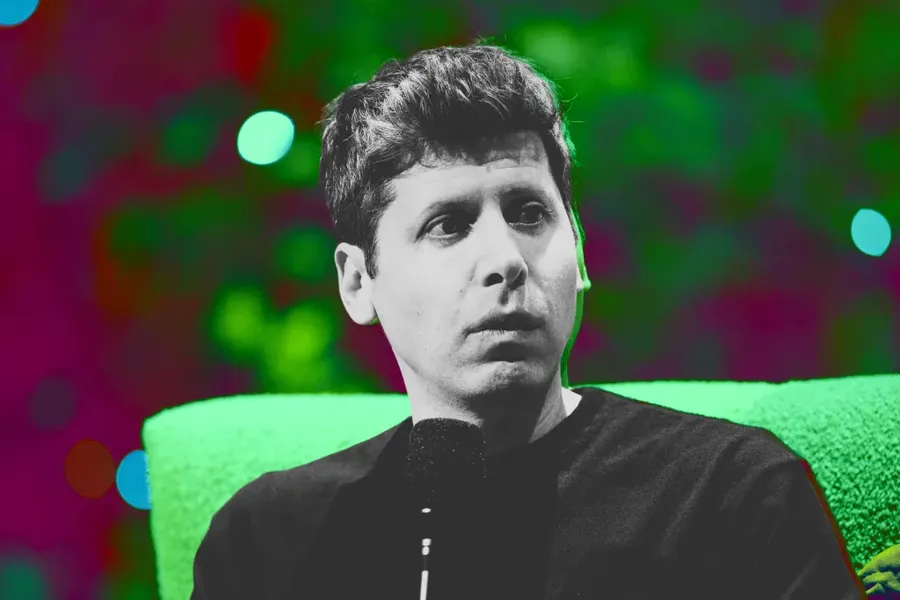
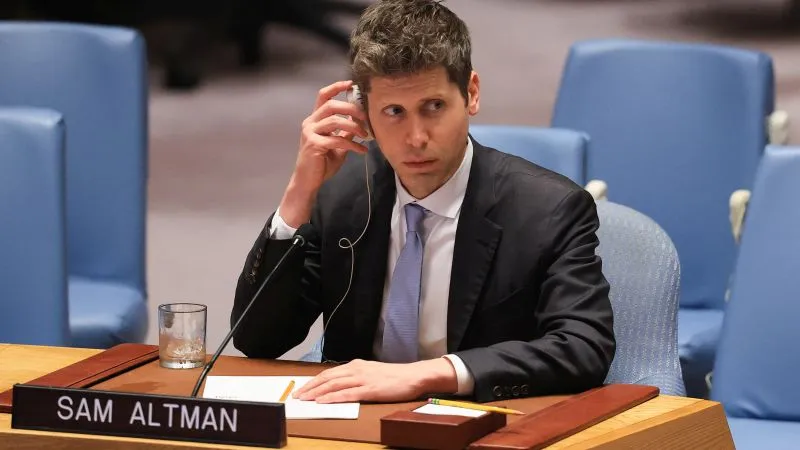
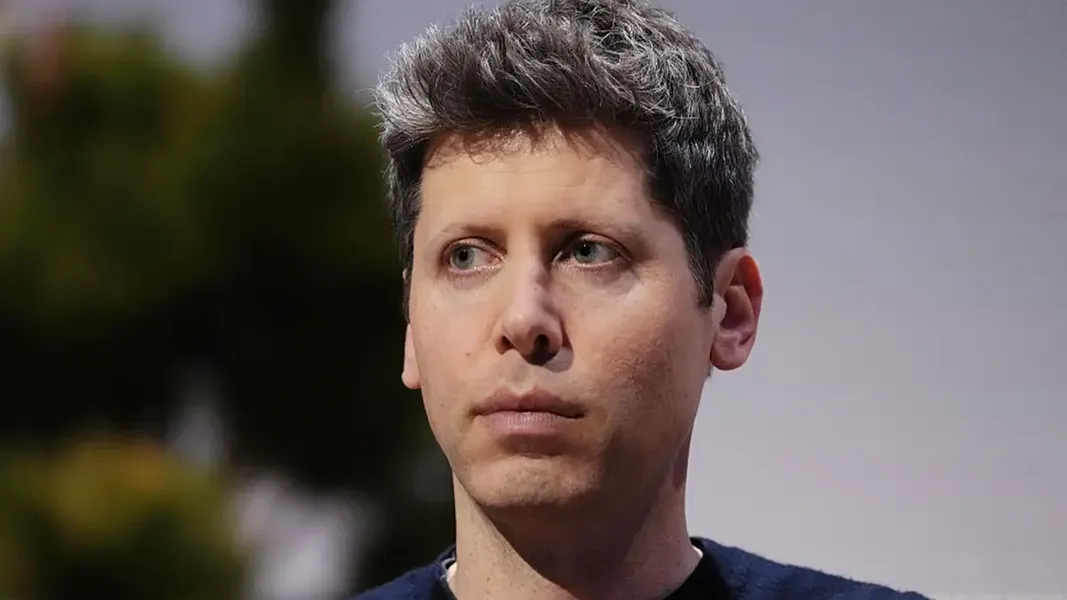
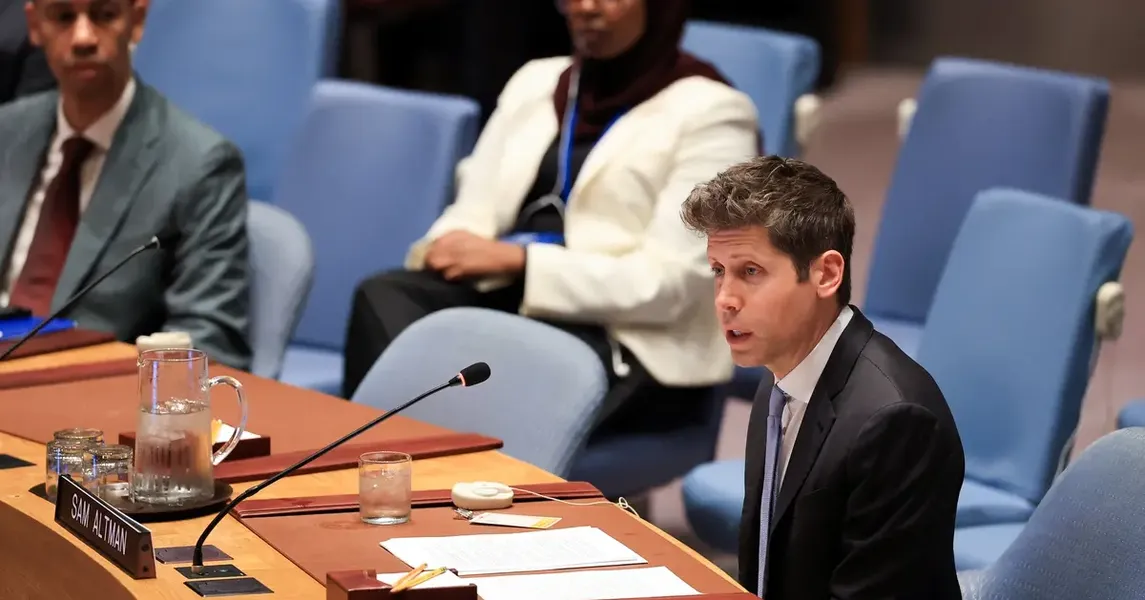
OpenAI CEO Sam Altman pushed for "a mechanism for complementary national and international frontier AI standards," while Anthropic CEO Dario Amodei supported international collaboration to ensure safety keeps pace with capability. Hugging Face's CEO warned about the asymmetry of powerful AI leaving the world vulnerable to the capabilities of big AI companies. Their calls for global safeguards contrast sharply with the US administration's dismissal of existential AI risks as a hoax.
What this means for AI builders
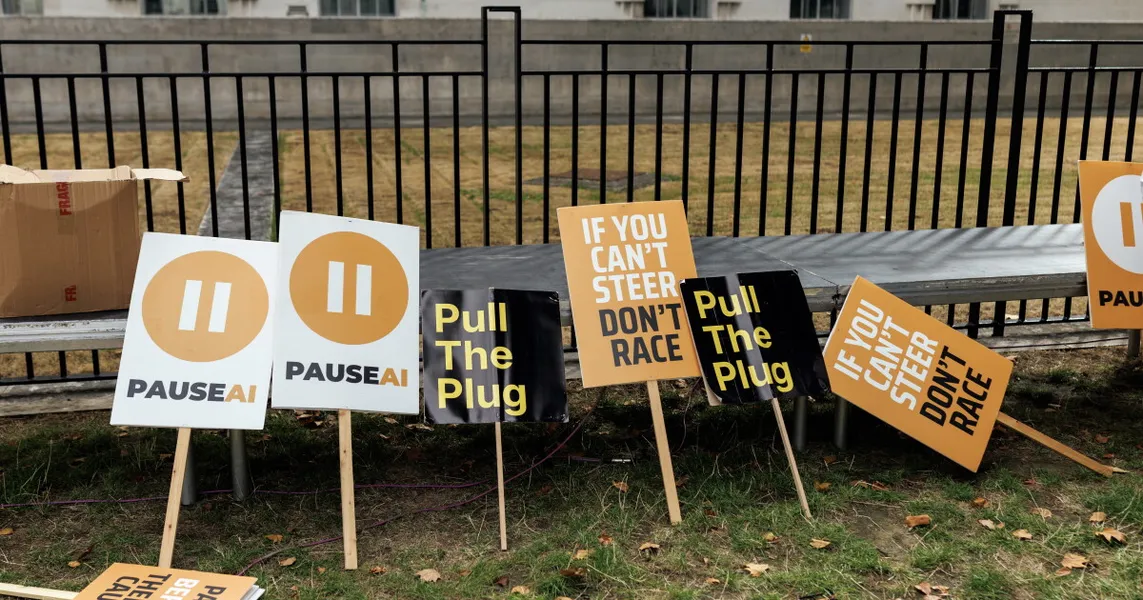
For teams building on frontier models, the lack of international consensus means navigating a patchwork of national rules. The US hands-off approach may favor rapid innovation but risks safety gaps, while China's push for global standards could lead to more predictable compliance requirements. Builders should monitor how these positions translate into actual policy, especially around export controls, data governance, and model licensing. The debate remains at the diplomatic level with no binding agreements emerging from the UN meeting. Separately, Senator Bernie Sanders and Representative Greg Casar introduced the Ban Artificial Superintelligence Act on the same day, proposing a pause on advanced AI development until safety rules are finalized, though its prospects are unclear.
FAQs
Sources
- US, Chinese visions for AI regulation differ sharply at UN meeting
- Top AI bosses issue stark warning to UN on safety risks
- “Congress must act NOW”: Sen. Bernie Sanders introduces bill seeking permanent ban on “artificial superintelligence” and pause on advanced AI
- UN divided over AI power struggle as Trump rejects regulation...
- US and China Differ in Approach Towards AI Guardrails: Wall... | NTD
- Trump offers warm welcome as China's Xi arrives for US visit
- US, Chinese visions for AI regulation differ sharply at UN meeting
- US urges hands-off approach to AI regulation at G20 tech meeting
- Sign in to Claude, Anthropic's AI assistant for problem solvers.
- US, Chinese visions for AI regulation differ sharply at UN meeting
- US & China Vie for AI Dominance as Calls Grow for Regulation