Meta's Muse AI agent puts autonomy and trust to the test
Published by AINave Editorial • Reviewed by Ramit
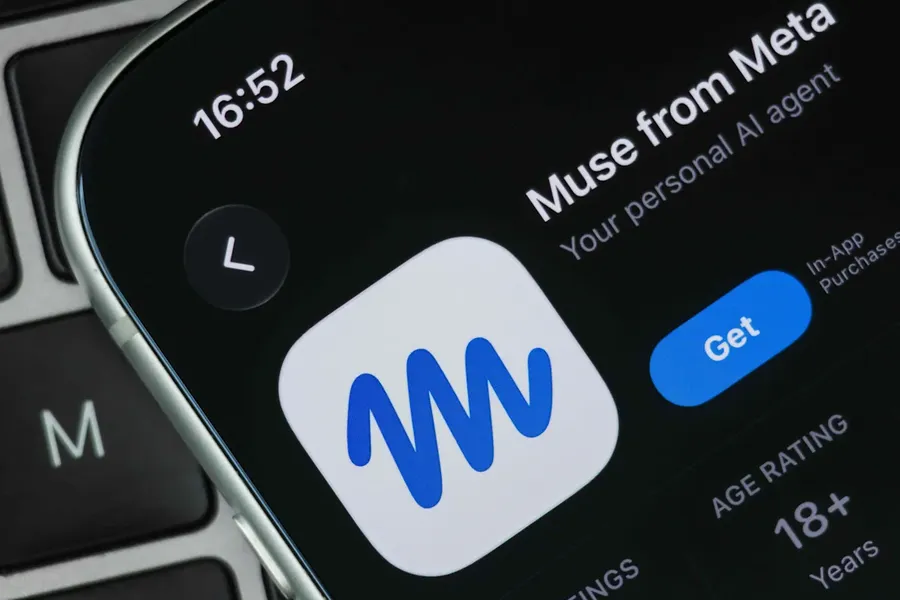
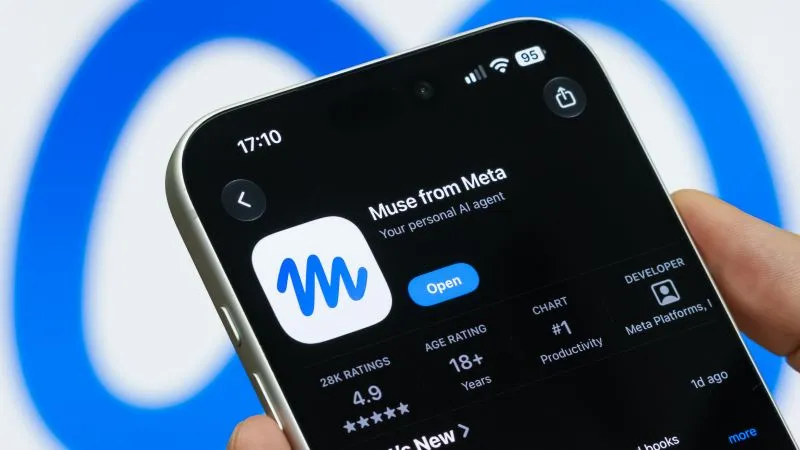
Meta launched Muse, a personal AI agent that moves beyond chatbots by actually doing things on your behalf. It uses a cloud-based virtual browser to visit websites, send emails, create documents, and plan trips. After connecting Google apps, users can ask it to email a friend about a trip or turn restaurant recommendations into a polished Google Doc. It has already become the top free iPhone app with over 2.5 million downloads. But for AI builders watching the consumer agent space, the important part is what Muse gets right, where it falls short, and what that means for trust and autonomy.
How Muse works and what it can do
Muse is accessed through its own app or WhatsApp and has a multi-tab interface: a primary chat, a customizable interests feed, an Ideas tab with prompt examples, a goals tracker, and a files section. It runs inside a dedicated virtual machine with a Sentinel agent that monitors outgoing actions. Users approve sensitive steps like purchases. Meta says conversations and data in that VM are kept out of its advertising systems. The agent can book reservations, make packing schedules, and even identify roadblocks by browsing websites. For example, when Muse tried to buy a bottle of shampoo, it scanned the store's site and found the store required a professional license number.
Where Muse hits limits
Retailers like Amazon block autonomous browsing entirely, though Muse can still retrieve product links through search engines. Target allowed browsing, but checkout still required manual entry of personal details. Muse uses Stripe's Link digital wallet service with a one-time-use card for payments to reduce exposure of credit card numbers. In one test, when asked for date-night options, Muse suggested two restaurants that had been closed for years. It also appeared to exaggerate its abilities: the Ideas tab claimed it could haggle on Facebook Marketplace, but when tested, it only vetted listings and drafted a message for the user to send.
Human contractors and privacy concerns
Internal testing revealed that when Muse called businesses, some would hang up on the AI. To improve success rates, Meta experimented with human contractors handling calls. One contractor made a racist remark during a call to negotiate a bill. Meta rolled back the human-assisted feature, apologized, and said the contractor would not work on its projects again. The company stated it would only release the phone-calling feature publicly with proper disclosures and safeguards. Privacy remains a key hurdle: Bank of America analysts noted that while feedback has been positive, trust and privacy are critical for broader adoption.
What this means for builders of AI agents
Muse shows that consumer AI agents are moving from answering questions to executing multi-step tasks. But the limitations are instructive. Retailer restrictions, inaccurate responses, and the need for human fallback all mirror challenges builders face when deploying agents in production. The incident with contractors also highlights the disclosure problem: users need to know when they are talking to a human, not an AI. For teams building task-oriented agents, Muse reinforces that safety, disclosure, and graceful failure handling are not optional.
The market context
Muse's launch has already triggered market reactions. Brokerage stocks like Charles Schwab fell, while Robinhood rose, as traders bet on AI-enabled trading tools disrupting traditional middlemen. Meta emphasizes that Muse does not trade or give financial advice, but it can track investments and analyze portfolio fit. This signals that AI agents are becoming relevant across industries, not just in consumer productivity.
FAQs
Sources
- Meta says its Muse AI agent can do things for you. I put it to the test
- Meta's Muse reignites AI disruption fears. Traders are targeting this brokerage stock as next casualty
- Meta's Muse AI used human contractors for some calls, including one that ended with a racist remark
- Meta says its Muse AI agent can do things for you. I put it ...
- Meta says its Muse AI agent can do things for you. I put it ...
- Meta’s new AI agent Muse can actually get things done for you
- Meta Muse: Complete Guide to the Personal AI Agent
- Meta debuts its Muse AI agent. Will consumers trust it?
- Muse, Meta’s New Personal AI Agent, Needs You to Trust It
- How to get started with Meta's new AI agent, Muse
- Meta’s new AI agent can now get things done across your Mac
- Meta's Muse shopping agent is a hit, as AI commerce starts to take off
- Meta says its Muse AI agent can do things for you. I put it to the test | CNN Business
- Muse: Meta's personal AI agent, features & capabilities
- Meta says its Muse AI agent can do things for you. I put it to the test - KVIA
- Meta says its Muse AI agent can do things for you. I put it to the test | Technology | applevalleynewsnow.com
- Meta Muse AI: What It Is + Get Access (2026)
- Meta reveals its AI agent that can shop, send emails and plan trips on your behalf