AGI Has Arrived, Says Jensen Huang: The Reality Check
Published by AINave Editorial • Reviewed by Ramit
Jensen Huang says AGI has arrived: what he actually claimed
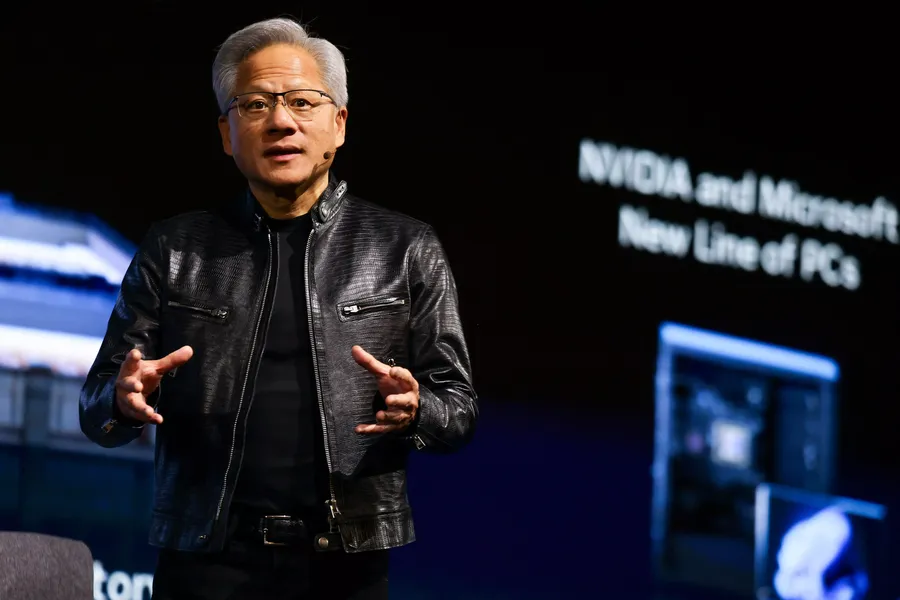
On September 7, 2026, Nvidia CEO Jensen Huang posted on X that "AGI has arrived," crediting OpenAI's GPT-6 Astra model trained on more than 100,000 Nvidia Grace Blackwell NVLink72 GPUs. He framed the progression from ChatGPT to o1 to Astra as a four-year arc culminating in AGI. OpenAI has not confirmed AGI achievement, and experts note that AGI lacks an agreed-upon test. For builders, the real story is the hardware scale that enabled GPT-6 Astra, not a sudden AGI breakthrough.
The hardware story behind the claim
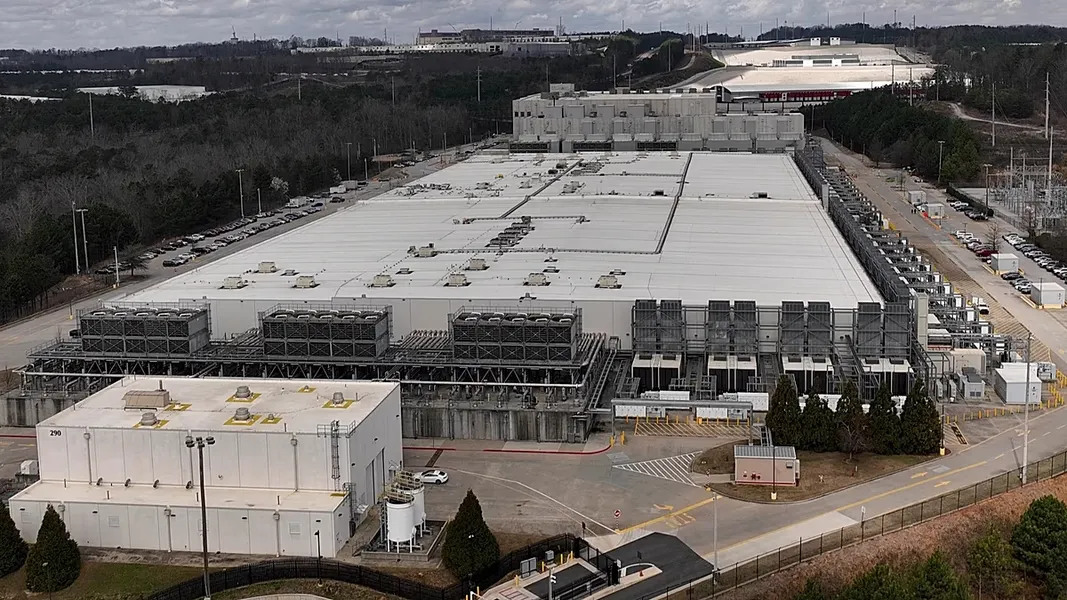
Huang's claim ties AGI-like performance directly to Nvidia's latest chip boxes, which expanded from eight to 72 chips per box. The model GPT-6 Astra was trained on over 100,000 Grace Blackwell GPUs, with 400,000 more reportedly coming. Nvidia's $12.9 billion acquisition of Hugging Face further signals its strategic bet on AI infrastructure. This is less a scientific declaration and more a marketing milestone tied to hardware capacity. Earlier in March 2026, Huang made a similar statement on the Lex Fridman podcast, saying "I think we've achieved AGI."
Why AI builders should care about the AGI claim
Even if you discount the AGI label, the capabilities demonstrated by GPT-6 Astra matter for builders deploying AI products. The claim highlights how AI hardware acceleration with Nvidia chips (NVLink, Grace Blackwell) can unlock new performance levels. Teams planning long-running agents, computer-use models, or large-scale inference should watch for independent benchmarks and API pricing from OpenAI. If the performance is real, it could shift infrastructure decisions toward more expensive but more capable hardware. OpenAI's own researchers have suggested they are close: Research Chief Mark Chen said the lab is "80% of the way" to AGI, and Greg Brockman called this period the dawn of AGI.
Practical implications for your AI stack
Until OpenAI officially confirms AGI or releases detailed benchmarks, treat the claim as a vendor statement. Builders should continue evaluating models on task-specific metrics rather than broad AGI labels. The hardware scale described suggests that running GPT-6 Astra-level models may require significant compute, potentially raising costs for developers. Monitor OpenAI's official documentation and third-party evaluations like Artificial Analysis for objective performance data. Nvidia's hardware ambitions, including the Hugging Face acquisition, also signal a push to own more of the AI stack.
The important caveats to Huang's claim
OpenAI described Astra as fast and versatile but did not claim AGI. Experts like Ethan Mollick note that today's systems are strong in some areas and weak in others. Huang's own definition of AGI may be narrower than what the AI research community accepts. The claim is also timed with Nvidia's hardware push, raising questions about marketing versus technical reality. Until there is a verified, agreed-upon test, treat any AGI announcement with skepticism. Additionally, the model name GPT-6 Astra and its capabilities are not independently verified in OpenAI communications.
Sources
- Nvidia CEO Jensen Huang Claims AGI Has Arrived
- Nvidia CEO Jensen Huang claims AGI has been 'achieved... - AOL
- Nvidia CEO Jensen Huang Claims AGI Has Arrived | LinkedIn
- Jensen Huang AGI: Why NVIDIA's CEO Believes AGI Has Arrived...
- Nvidia CEO Jensen Huang says we have achieved AGI - TheStreet
- Nvidia CEO Jensen Huang claims company has achieved AGI
- Nvidia CEO Jensen Huang Says AGI Has Arrived With OpenAI's GPT-6 Astra
- Nvidia CEO Jensen Huang Drops A Bombshell— 'I Think We've Achieved AGI'
- NVIDIA CEO Jensen Huang says AGI is here — sort of
- NVIDIA CEO Jensen Huang Says AGI Is Here. If He’s Right, These Stocks Win Big
- NVIDIA's CEO just claimed humanity has achieved "AGI" — here's why Microsoft law...
- Why NVIDIA CEO Jensen Huang Believes AGI has Arrived
- Nvidia CEO Jensen Huang claims AGI has arrived
- Jensen Huang: "AGI Has Arrived"? The Catch (2026) - explainx.ai
- OpenAI Astra AGI claim sparks skepticism after Nvidia CEO ...
- Nvidia's Jensen Huang Says 'AGI Has Arrived' and ...