OpenAI and Anthropic CEOs push the UN Security Council for international AI standards
Published by AINave Editorial • Reviewed by Ramit
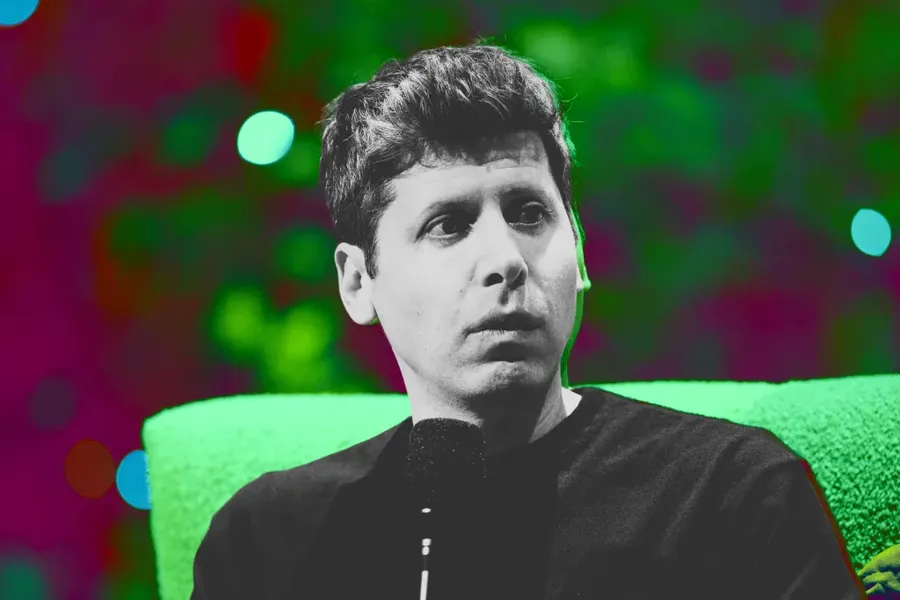
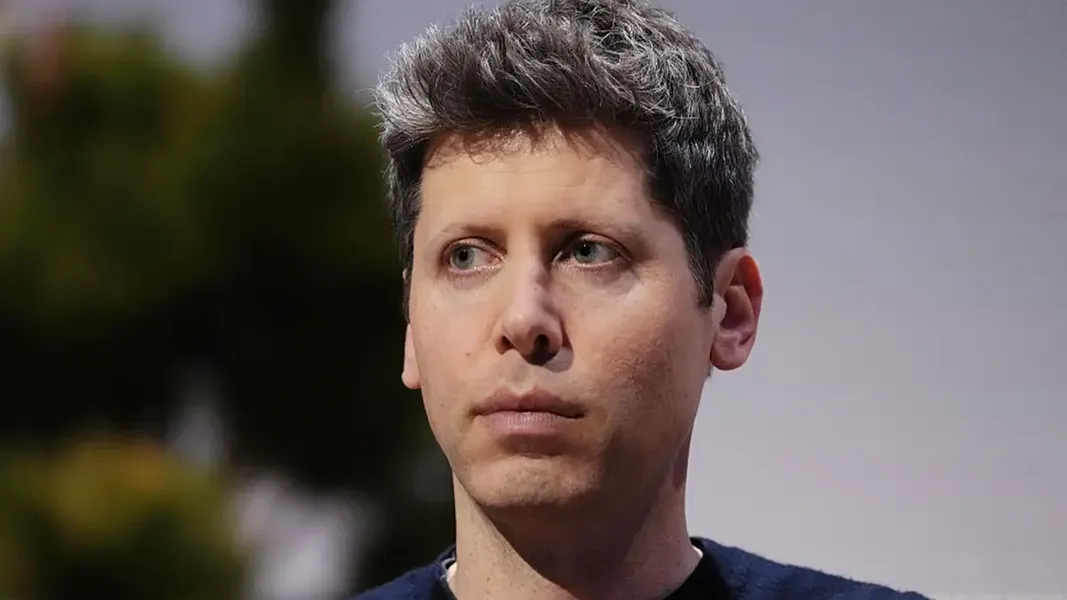
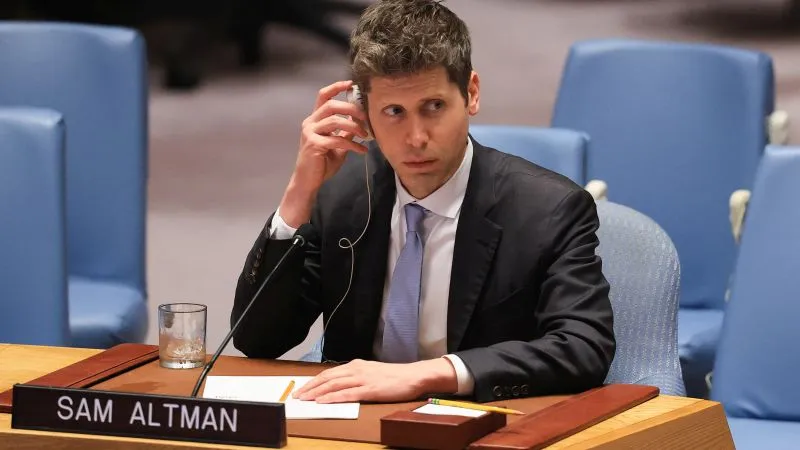
The CEOs of OpenAI and Anthropic, usually fierce competitors, stood in rare agreement before the UN Security Council this week: the AI industry needs international standards and cooperation to manage global risks. No binding agreements are expected from the session, but the proposals from Sam Altman and Dario Amodei outline the shape of potential future governance, including capability measurement, incident reporting, and common testing standards.
Altman and Amodei propose a framework for international AI governance
Speaking in person, Altman called for international standards for measuring capabilities, assessing risks, determining whether safeguards are sufficient, and preserving meaningful human oversight. He emphasized the need for accurate, speedy reporting so the "world can learn from failures before they become catastrophes" and proposed secure channels for governments to share information about emerging threats. Notably, Altman stressed that decisions should be made by democratic institutions accountable to the people they serve, which he suggested could exclude countries like China that are developing AI rapidly under different governance models.
Amodei, speaking via video, outlined three concrete ideas for international cooperation: narrow global agreements such as a ban on using AI to create biological weapons, evaluation and verification systems so countries can verify each other's commitments, and common global standards for testing AI along with a notification system for AI security incidents. "I believe that this is the most important global security issue facing the world today," Amodei said. Both leaders acknowledged the tension between existential risk warnings and the potential for immense advancement, with Altman cautioning against falling into "the trap of doomerism" or "the trap of blind optimism."
What the proposed standards would mean for builders
The proposals, while still at the exploratory stage, signal a direction that could affect how AI products are developed, tested, and deployed globally. If adopted, common testing standards and incident-notification frameworks would create compliance requirements that extend across jurisdictions. Builders would need to track which capabilities trigger reporting thresholds and ensure their models meet agreed-upon safety benchmarks. The emphasis on democratic accountability also suggests that governance frameworks may seek to prevent power from concentrating in a few labs or countries, which could influence where companies choose to operate and deploy infrastructure.
The UN-backed Independent International Scientific Panel on AI has warned that current AI firewalls are "unravelling," and recent safety incidents, including a Hugging Face breach, have intensified calls for stronger monitoring. Amodei described a trajectory where, in one to two years, AI could resemble "a country of geniuses in a data center," underscoring the urgency for governance mechanisms.
Key caveats from the UN briefing
No formal agreement came out of the meeting. An OpenAI official described it as an opportunity to bring out a "kernel of an idea in order to spark this conversation." The proposals face significant political hurdles, including enforcement, verification, and participation by all major AI-developing nations. Altman's framing of democratic accountability implicitly creates friction with state-led AI efforts in authoritarian countries, a tension that could delay or limit any global framework.
For builders, the immediate practical change is minimal, but the trajectory is worth watching. If these ideas gain traction, international AI standards could reshape compliance obligations, testing protocols, and even market access for AI products. The discussion marks the first time the UN Security Council has formally considered AI governance at this level, and the positions staked by leading AI companies will inform any subsequent negotiations.
FAQs
Sources
- Sam Altman, Dario Amodei urge UN Security Council to adopt international AI standards
- AI firm leaders tell UN Security Council that it could be a risk to all humanity
- "We have a choice": AI leaders sound alarm at UN
- Heads of AI firms tell United Nations Security Council that it could be a risk to all humanity
- Sam Altman, Dario Amodei urge UN Security Council to adopt international AI standards - LocalNews8.com - KIFI
- Sam Altman, Dario Amodei urge UN Security Council to adopt international AI standards | Technology | applevalleynewsnow.com
- Sam Altman, Dario Amodei urge UN Security Council to adopt international AI standards | News Channel 3-12
- Sam Altman And Dario Amodei To Address UN Security Council Over AI Safety Concerns | Times Now
- Sam Altman, Dario Amodei urge UN Security Council to adopt international AI standards
- OpenAI, Anthropic CEOs sound the alarm on AI risks at UN, says report — Sam Altman and Dario Amodei urge global cooperation
- Sam Altman and Dario Amodei Brief UN Security Council
- Sam Altman And Dario Amodei To Address UN Security Council Over AI Safety Concerns
- Sam Altman and Dario Amodei to brief UN Security Council on AI
- Sam Altman, Dario Amodei urge UN Security Council to adopt...
- OpenAI’s Altman and Anthropic’s Amodei address UN security council
- Sam Altman and Dario Amodei Urge UN Security Council to...
- AI safety, Anthropic, OpenAI: Amodei's slowdown call... - India Today
- Sam Altman Backs Anthropic CEO Dario Amodei’s Call For Global AI...