Meta's Muse AI Tests Human Callers for Phone Tasks: What Builders Need to Know
Published by AINave Editorial • Reviewed by Ramit
Meta is quietly testing a 'human concierge' for its new AI assistant Muse, routing some phone calls to human contractors instead of handling them entirely with automation. According to internal posts seen by Reuters, the trial enrolled roughly half of Meta's employees with an opt-out option, and some employees warned that sensitive information could reach call-center contractors. For AI builders, the experiment is a practical reminder that human-in-the-loop support often remains necessary for high-stakes phone interactions, and that privacy controls and disclosures are still being figured out.
The Human Concierge Test
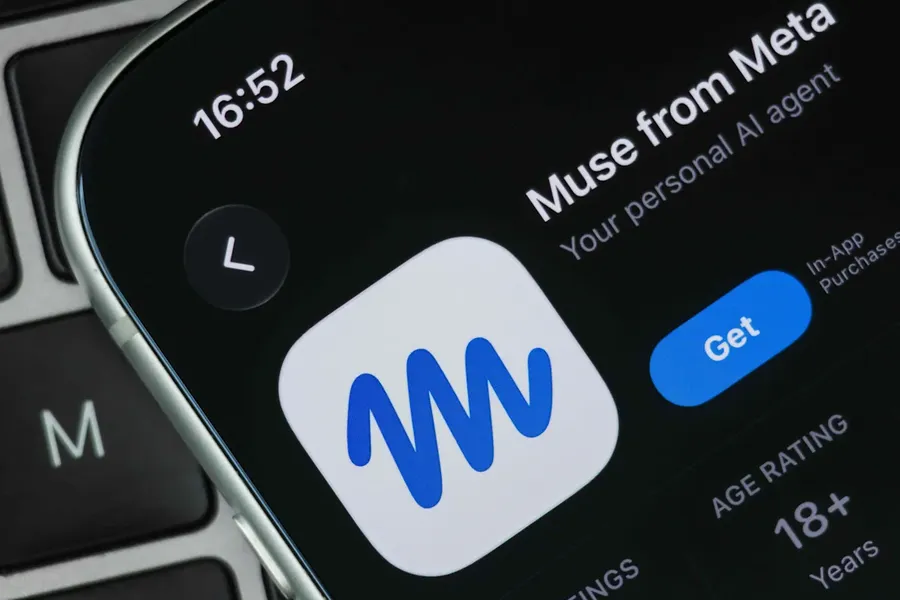
Muse, launched in the U.S. on September 8, is Meta's personal AI agent that can send emails, make purchases, book travel, and place calls to businesses for services and quotes, providing a transcript afterward. The app has reached about 2.5 million downloads per Sensor Tower data. In the trial, some calling requests are handed to a trained contractor who places the call and handles it through. Meta spokesman Daniel Roberts said employee feedback has been overwhelmingly positive and that the purpose of the test is to shape safety and privacy protections before any public rollout.
The Privacy Gap Builders Should Notice
Internal posts cited by Reuters indicated that contractors could hear sensitive information during calls, even though no one intended for that to happen. Meta's launch messaging emphasized that each Muse agent runs in its own virtual machine, but that privacy guarantee covers where the software runs, not who might be listening on the other end of a call. The distinction matters: when your AI assistant places a phone call, the person answering may not know they are speaking to a human contractor, and the user may not know either. Builders designing phone-based AI features need to think through data handling, contractor access boundaries, and clear opt-out mechanisms before shipping to consumers.
What Changes for Phone-Calling AI Products
The Muse experiment follows Meta's 2015 M Messenger assistant, which relied on human trainers and was shut down in 2018 after never exceeding about 30% automation. The pattern suggests that fully autonomous phone calls remain difficult, especially when businesses resist talking to AI. For AI teams evaluating voice agents, the key operational considerations include: how to escalate edge cases to humans without breaking privacy, what disclosures to give both the user and the call recipient, and how to handle call transcripts that may contain personal data. The trial also shows that even large internal tests can surface unexpected data exposure risks.
What We Still Don't Know
Reuters based its report on internal posts, and Meta has not confirmed the scope of the trial beyond the employee test. There is no public rollout date, and the specific disclosures Meta plans to implement before a broader release remain unspecified. Evidence about the feature comes from the Reuters report and secondary coverage, so details may change as testing evolves. For now, the Muse human concierge test serves as a case study in the gap between AI autonomy promises and the operational reality of making phone calls on behalf of users.
FAQs
Sources
- Meta is testing human callers behind its Muse AI agent, Reuters reports
- AI news: Meta testing a 'human concierge' feature for Muse
- PYMNTS | Meta Tests Human Callers for Muse After Merchants Hang...
- Muse AI now hands over phone calls to human agents: Meta tests...
- Meta tests human agents for Muse AI assistant phone calls
- Wall St Engine(@wallstengine):$META IS TESTING HUMAN...
- Facebook's Muse AI assistant may secretly use human workers on calls
- Meta Muse uses human staff for some functions
- Why are Meta employees concerned about Muse’s phone calls?
- Muse AI now hands over phone calls to human agents: Meta tests new feature in its personal assistant
- Meta tests human concierge feature for Muse AI assistant, then hits pause over privacy concerns
- Meta testing a ‘human concierge’ for its new personal AI agent, Muse
- Exclusive-Meta testing a 'human concierge' for its new personal AI agent, Muse
- Facebook's Muse AI assistant may secretly use human workers on calls
- Meta's Muse AI agent promises to handle your digital life — but internal tests reportedly revealed privacy risks, security flaws and 'failure modes that made it unreliable'
- Meta debuts its Muse AI agent. Will consumers trust it?