Rural Data Center Tax Breaks Could Reach 100-Plus Projects
Published by AINave Editorial
The One Big Beautiful Bill Act will make rural data center projects eligible for a new set of Opportunity Zone tax benefits starting January 1. More than 100 projects could fall within reach, but the program does not require companies to create jobs, so a tax incentive for investment is not the same thing as a guarantee of lasting local employment.
More rural projects could qualify, but location is only the first step
Searchlight Institute researchers compared data centers in development with rural census tracts eligible under the expanded program. WIRED reviewed their research and found more than 100 rural projects at different development stages that could qualify. The researchers used a conservative database of fewer than 700 planned or under-construction projects; other datasets put the US development pipeline closer to 1,500, suggesting the pool of potentially eligible projects may be larger.
That is a count of possible eligibility, not confirmed participation. A company must create a specialized investment vehicle to pursue the benefits, and the source says confidential IRS data makes it difficult to determine who claims them without a company disclosure. The reporting does not specify individual tax provisions or the precise census-tract criteria, so a site’s rural location alone does not establish that it qualifies.
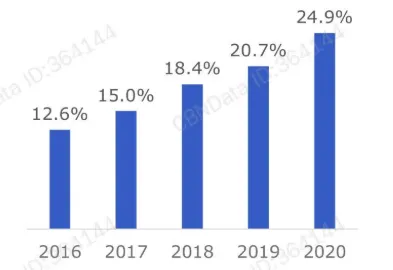
The broader shift toward rural construction helps explain why the change could matter. Separate Pew research cited by WIRED found 13 percent of operating data centers were rural, compared with about 67 percent of planned facilities. Those figures describe different groups: the existing footprint remains mostly non-rural, while proposed development is much more concentrated in rural areas.
Investment is not the same as a local economic return
The program’s central trade-off is straightforward: it rewards capital investment, but does not require projects to create jobs. Construction can bring short-term employment, while the longer-term workforce contribution of data centers remains debated. That distinction matters because a facility can represent substantial investment without necessarily producing a comparable, lasting local jobs base.
The government estimates the rural Opportunity Zone expansion will cost $40.9 billion over the next decade. The reported concerns are whether the incentive will draw investment that would not otherwise happen and whether the resulting projects will deliver broad gains to disadvantaged communities. If a project proceeds regardless, the tax benefit may change who pays without changing where the facility gets built.
Participation by major operators remains unclear. Microsoft, Meta, and Amazon told WIRED they do not use the program for their data center investments; Google did not respond. Those statements do not settle what less prominent developers may do, but they do caution against treating the potential project count as a list of companies already claiming the benefits.
The policy makes rural siting more financially attractive on paper. Whether that translates into local jobs or investment that would not have happened otherwise depends on outcomes the eligibility rules, by themselves, do not ensure.