Amazon Ends NDAs for Data Center Permits Amid Backlash
Published by AINave Editorial
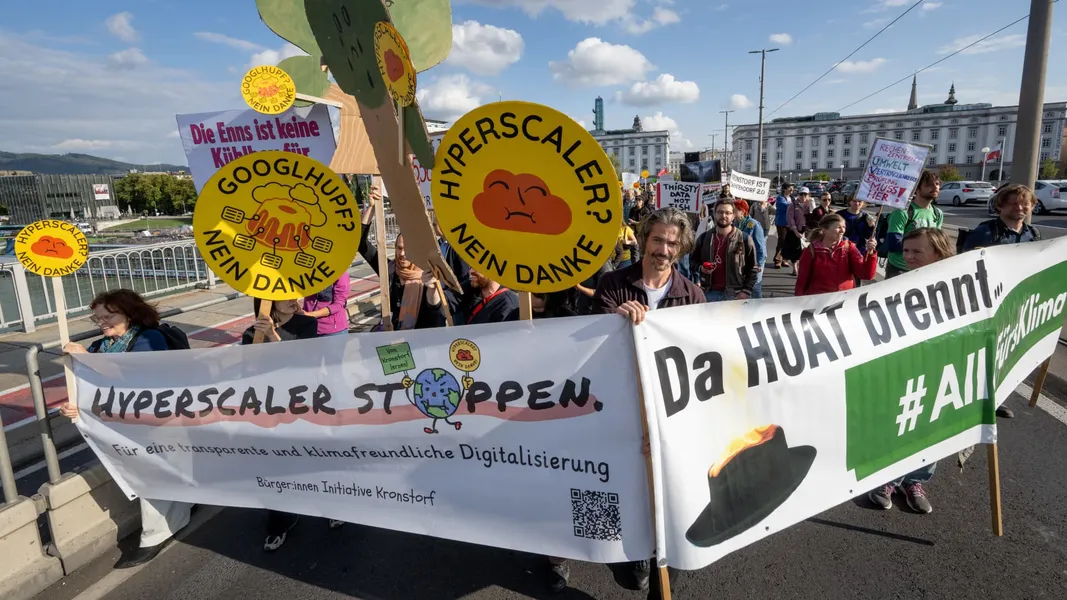
Amazon says it has stopped using nondisclosure agreements with government agencies as it seeks approval for new data centers, a change aimed at one of the sharpest points of local opposition: secrecy around projects and permits. AWS CEO Matt Garman announced the policy in a broader argument that data centers benefit communities, but lifting NDAs addresses only whether officials can discuss projects, not whether residents agree with them or their impacts. TechCrunch reports that environmental activist Erin Brockovich has described transparency as the leading complaint she hears, including concerns that projects surface after permits are secured.
Permitting pressure is part of the announcement
New York announced a one-year moratorium on permits for large data centers. Garman said more than 100 moratoriums were under consideration across the United States, and warned that enacting them could hurt the country's position in the AI race. That count and forecast are his claims, not a measure of enacted restrictions or a demonstrated outcome. TechCrunch reported.
The tension is straightforward: data center expansion depends on local approvals, while communities are raising questions about what these facilities consume and what they contribute. Ending NDAs may make discussions more visible, but the company still has to persuade communities that its account of those trade-offs is credible.
The resource figures answer narrower questions
On water, Garman cited an Amazon report stating that direct data center consumption accounts for 0.5% of U.S. industrial water use. That figure covers water used at the facilities, not the broader footprint associated with generating their electricity or manufacturing chips. TechCrunch notes that scientists have called for independent study, in part because there are no federal or state requirements for companies to report data center water and energy use. The article describes those limits.
Electricity costs are also contested. Garman said rates have risen in some states with many data centers but fallen or grown more slowly in others, and blamed increases primarily on aging grids that had not been expanded ahead of demand. TechCrunch also cites an independent watchdog's finding that data centers were the main cause of a 76% year-over-year price increase on the largest U.S. electrical grid. Those claims concern different contexts, so neither should be treated as a universal account of data centers' effect on bills. The competing claims and finding are reported here.
On pollution, Garman said backup generators run roughly 10 hours a year, mostly for maintenance testing, and are idle 99.9% of the time. But a planned Amazon data center in Texas has permission to release up to 33 million tons of carbon dioxide annually. That is a permitted maximum, not evidence of actual emissions at that level; it does show why generator run time alone cannot settle questions about environmental impact. TechCrunch distinguishes the figures.
Community spending is not the same as trust
Garman said Amazon had contributed more than $1 billion over the previous three years to U.S. communities where it has a meaningful data center presence. That is a claimed record of past contributions, not the separate five-year spending pledge described in some coverage. His statement is reported by TechCrunch.
The NDA change can remove one barrier to public discussion. Whether it changes local views will also depend on whether communities trust the claims about water, electricity and pollution, and can assess them against consistent data.