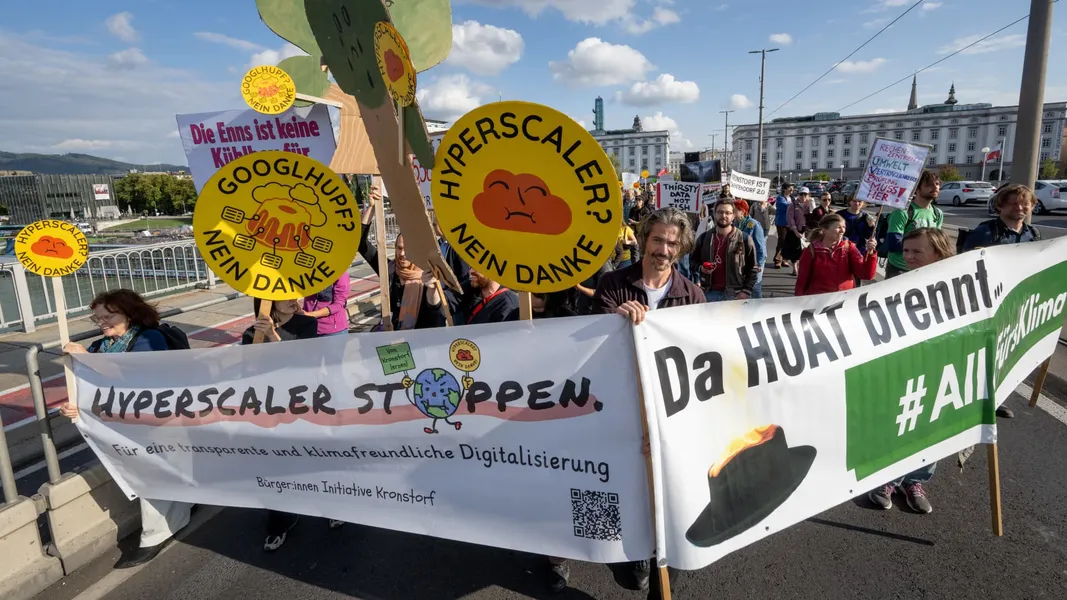
AI Data Center Backlash Spreads Across Europe and Asia
Published by AINave Editorial
The AI data center backlash in Europe and Asia is no longer limited to public meetings: it is showing up in planning decisions, grid access and investment at risk. Research cited by CNBC puts data center investment affected by opposition at around $42 billion in Europe, through delays and cancellations, compared with around $77 billion in the United States. The figures describe affected investment, not money canceled outright.
From local objections to project risk
The European Data Center Monitor counted more than 70 projects rejected or restricted between January and April, more than in all of 2025. It also described opposition spreading from town halls to courts, regulators and parliaments, according to CNBC’s reporting.
That matters before a project reaches construction. Developers can spend money pursuing permits, and some of that spending may be lost if approval never comes. The contested impacts are concrete: electricity demand and prices, water use and land requirements. There is also little agreement on how many permanent jobs data centers create or a precedent for estimating their economic value per megawatt.
Europe is using different levers
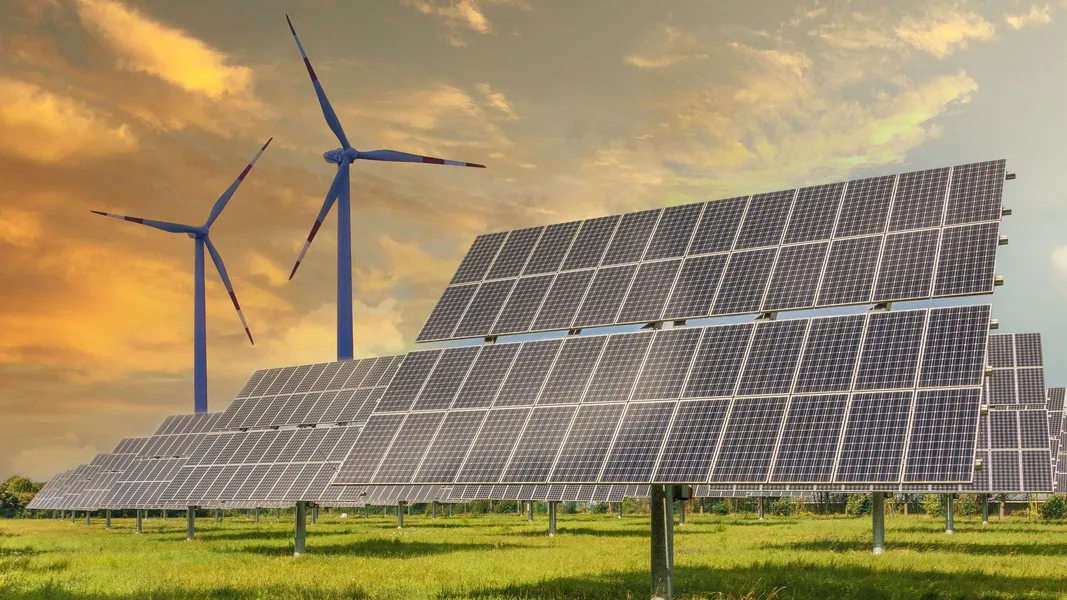
Responses vary by place and by legal status. Scotland paused planning approvals for new hyperscale data centers. Denmark passed an emergency law that could put data centers at the back of the queue for grid-power applications. Spain, by contrast, proposed a rule requiring data centers to source 80% of their electricity from renewables. These measures are not interchangeable: a pause, a potential grid-priority change and a proposed energy requirement create different kinds of uncertainty for projects, as CNBC reports.
The distinctions matter to investors and operators. A project may face difficulty getting permission, connecting to power or meeting proposed sourcing rules; treating all three as a general ban would overstate what has happened. Local pushback has also stalled projects in the U.K., the article reports.
South Korea balances national goals and local consent
South Korea’s government named AI data centers one of three major investment projects in June, alongside semiconductors and physical AI. Yet residents in Seoul’s Geumcheon district have asked authorities to revoke a permit and halt construction near their homes.
In July, officials announced plans to require consent from a majority of residents within 200 meters of proposed sites, alongside a three-stage review and dispute-mediation system. These are announced plans, not evidence that the system is already in force. In nearby Gwacheon, a local council member proposed an ordinance addressing risks to residents, including fires involving backup batteries, according to the report.
This is the central tension: national ambitions to build AI infrastructure do not automatically settle local questions about its costs and impacts. Equinix’s EMEA growth executive said policy is tightening in some markets but did not view backlash as a structural constraint on growth. Even without a broad slowdown, resistance can make individual projects harder to approve and leave money exposed before construction begins.