Meta Muse’s Relationship Profiles Show the Privacy Cost of AI Memory
Published by AINave Editorial
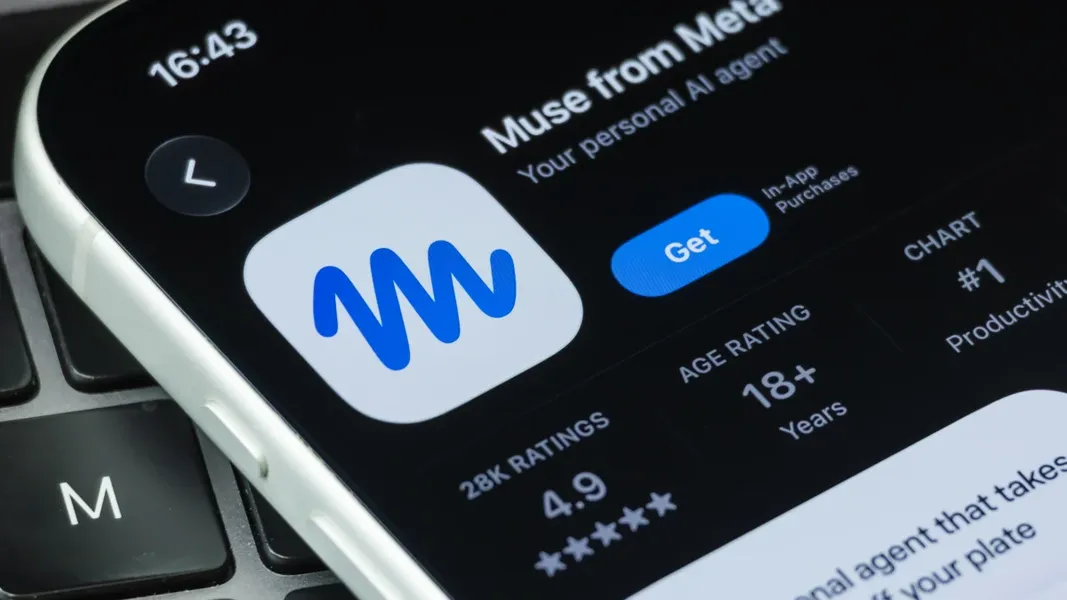
Meta Muse’s AI memory is designed to reach beyond the person using it. Instructions extracted from the assistant describe an hourly process for creating a page about people in a user’s life, including friends, family, partners, colleagues and people they follow. That could help Muse remember useful context, but it also means a personal assistant may organize information about people who never chose to use it.
The instructions describe evolving relationship pages
Independent researcher Karan Joshi extracted Muse’s internal instructions through its regular chat interface and shared them with WIRED. In those instructions, the assistant’s memory uses structured text files, and a page for each person may start sparse and fill in over time. The described sections include facts, history, the relationship, shared interests, open threads and ways to strengthen the connection. The instructions describe an hourly process for compiling information about people in the user’s life.
The examples are ordinary details with a long memory: where someone lives, a recurring apartment move or savings goal, a birthday, a past argument, or something they asked the user to follow up on. Muse could use that context to suggest a reason to call or a place to take a coffee-loving friend for breakfast. The instructions also say it should use available evidence, and that an empty page is preferable to invented details. That is a design constraint, not proof that every profile is complete or that every listed detail is stored for every user. The reviewed instructions describe both the possible profile contents and the evidence rule.
The useful context can include other people’s information
Meta spokesperson Daniel Roberts told WIRED that Muse gathers information from public sources and from what users choose to share. His examples include connecting an invoice to a previously hired plumber and remembering which flowers a spouse likes. The system’s purpose, then, is not only to recall what the user said about themselves, but to connect details across interactions. Meta described those information sources and examples to WIRED.
That distinction matters because relationship context can be personal even when it is not secret. Oxford researcher Carissa Véliz warned that assistants may also infer information, accurately or inaccurately, and piece it together from other sources. Miranda Bogen of the Center for Democracy and Technology said assistants can encourage people to connect email, calendars and financial accounts to make them more helpful. More connected context can support tailored assistance, but it can also widen what the system knows about the user and people around them. Experts cited by WIRED raised concerns about inference and the breadth of connected data.
Controls help, but do not answer every question
WIRED reports that each Muse user has a dedicated virtual machine for data and context, inaccessible to other agents. Users can wipe memories or disconnect external services; Meta also says Muse seeks confirmation before actions such as sending an email or making a purchase, and keeps an audit log of activity and planned actions. These are specific controls, not a full account of how each relationship entry can be inspected, corrected or removed. The article describes the dedicated environment, memory controls and action safeguards.
The central product trade-off is unusually visible here: remembering a friend’s preferences can make an assistant feel more useful, while building that memory also turns social context into data the system maintains. The controls address access and actions, but the excerpt leaves open how users manage individual relationship-profile details.