Fallout: New York: AI Fan Game Meets a ZeniMax Legal Challenge
Published by AINave Editorial
Chris First’s Fallout: New York shows a practical limit of AI-assisted game creation: delegating much of the production does not make a project’s connection to a familiar franchise less visible. First said he directed Claude and a studio of AI agents to make a browser game he wanted to be “exactly like Fallout.” ZeniMax Media later told him to stop, according to PC Gamer’s report.
The project was framed as Fallout, not merely inspired by it
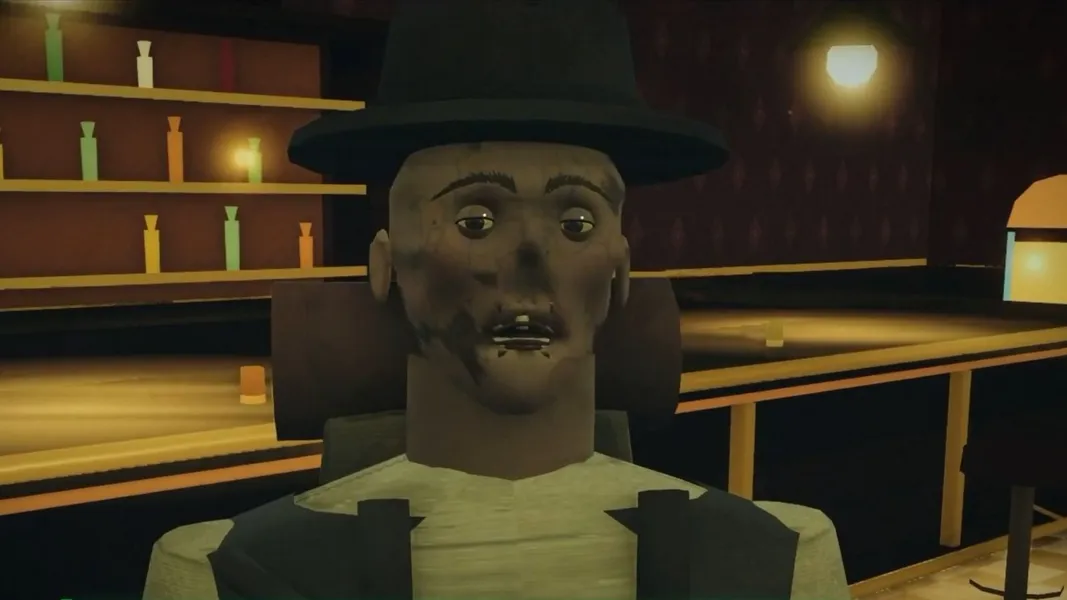
First described a browser-playable game set in New York City, with quests, dialogue trees, V.A.T.S. and a Pip-Boy. He also said its buildings, weapons, faces and sounds were generated by code, with no texture or sound files. Those are details of First’s account as relayed by PC Gamer, not an independent technical audit of the game.
The distinction matters for understanding the dispute. This was not presented as a game that happened to use AI and later attracted a franchise comparison: First reportedly said he asked for something exactly like Fallout, and the project used the Fallout name in its domain. That makes the franchise connection central to the story, regardless of how the assets were produced. It does not, by itself, answer the legal question.
ZeniMax’s reported objection concerned fallout.nyc
PC Gamer reported that First said he received a message from ZeniMax Media telling him to stop the project. The company’s stated objection was that the registered domain, fallout.nyc, infringed its intellectual-property rights. The report describes the company’s position; it does not report a lawsuit or a court decision finding infringement.
Some commenters suggested that changing the name could help, but the report says First did not seem inclined to do that. More importantly, the available account does not establish whether a different name would resolve any legal concern. The notice is evidence of a specific dispute over this project and domain, not a general ruling about AI-generated fan games.
AI changes the production story, not the reported dispute
First’s description puts Claude and AI agents in the role of production tools directed by a human creator. That is a notable workflow, but the reported complaint was about the project’s domain and claimed connection to ZeniMax’s intellectual property. The account does not say that the AI tools themselves were the basis of the notice.
PC Gamer also criticized the game’s presentation and contrasted it with larger fan projects, a judgment by the article’s writer rather than an objective assessment of quality. The more useful point is narrower: quickly generating a recognizable franchise-style game may make a prototype easier to produce, but it does not make the project’s relationship to the franchise ambiguous. The report does not establish whether Fallout: New York is still accessible online.