Meta Muse Gadgets Opens Muse to Custom Hardware Projects
Published by AINave Editorial
Meta Muse Gadgets gives developers a way to connect the company’s personal AI agent to custom hardware. The open-source project includes firmware and a Linux SDK, with Meta suggesting devices such as a color e-ink display or a stick that plugs into a TV’s HDMI port.
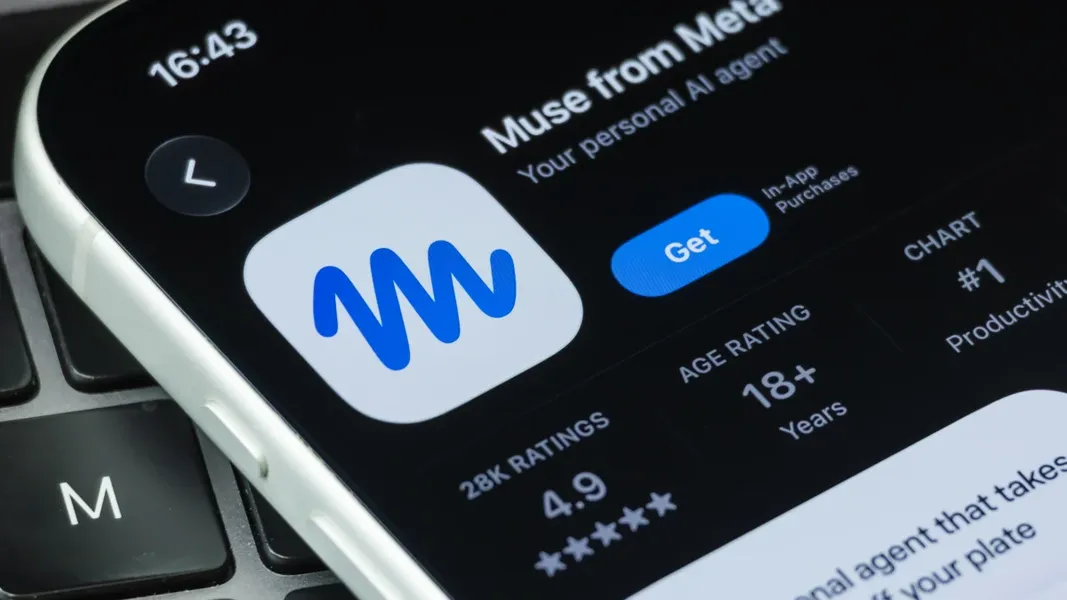
That makes Muse Gadgets more than a software release: it invites developers to give an agent a physical interface. Muse is described as able to book travel, fill out forms and shop on a user’s behalf. The project’s central appeal is that developers can experiment with how those capabilities meet hardware, rather than being limited to a phone or desktop.
A starting point, not a full build recipe
Meta names a Raspberry Pi computer and an off-the-shelf ESP32 board as possible platforms. It also describes connecting Muse to displays, buttons, sensors and actuators. Those examples suggest room for varied prototypes, from a dedicated screen to a device with physical controls.
But the announcement, as reported, does not supply step-by-step setup instructions or a full list of compatible boards and components. Raspberry Pi and ESP32 are examples, not a guarantee that every model or peripheral will work. The firmware and SDK lower the barrier to exploration, but builders still need to determine the requirements for a particular device.
That distinction matters: an open-source project can provide useful building blocks without being a plug-and-play hardware platform. Meta also set up a Discord channel for users, offering a community support route as people try projects of their own.
Home Link puts the smart-home idea on hardware
Meta has already built one device around this approach. Nat Friedman, head of product at Meta’s Superintelligence Labs, said the company made Muse Home Link, a USB-C-powered device that lets Muse connect to a home network and communicate with smart devices there, including speakers and smart TVs. It offers a concrete example of the project’s direction: Muse interacting with devices beyond the screen where a user starts a conversation.
Friedman said Meta made 5,000 Home Links and planned to give them away free to Muse subscribers while supplies lasted. He said they would be ready to ship a few weeks after his post. The report does not confirm whether any remained available, so the giveaway should not be treated as an ongoing offer.
For builders, the more durable part is the code and SDK, not access to that limited device. Muse Gadgets signals that Meta wants its agent to reach into custom hardware and home devices, but the practical breadth of that ecosystem will depend on details the announcement does not settle, especially the hardware requirements for real projects.