AI Safety Guardrails in the U.S.: Kremer’s Case for Both
Published by AINave Editorial
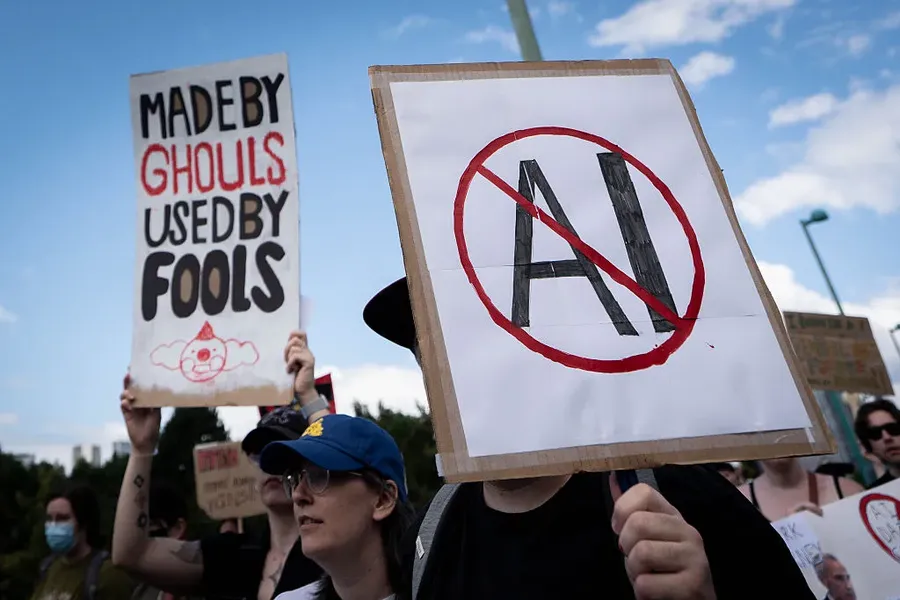
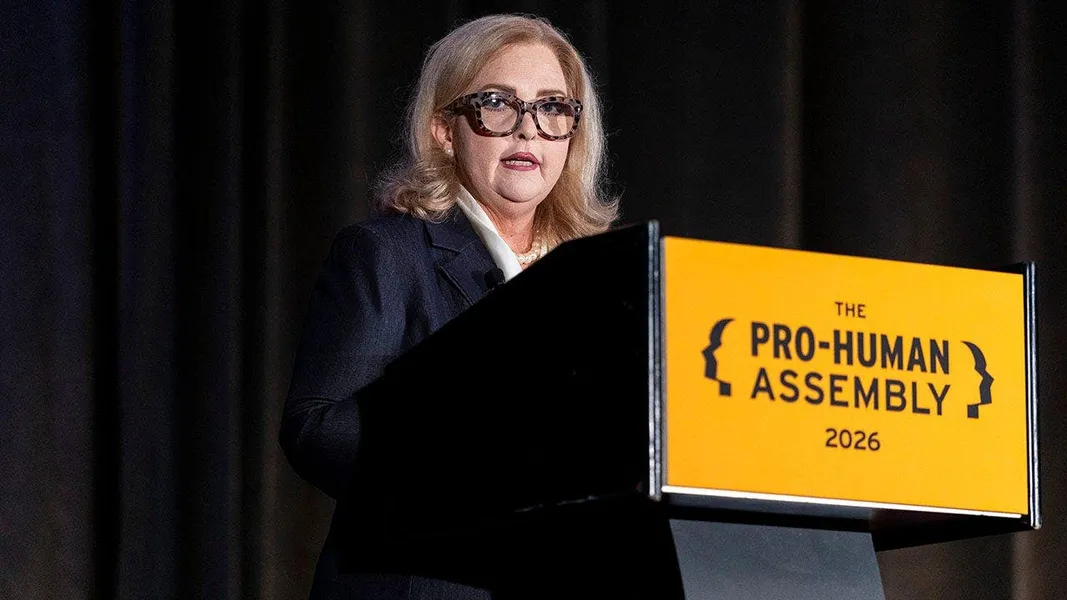
Amy Kremer, chair of the advocacy group Humans First, says the United States can pursue AI leadership over China while also requiring safeguards for children, workers and the public. Her argument centers on a practical gap: she says companies are not required to report certain harmful incidents to the federal government, leaving some problems to surface through lawsuits instead. The account does not establish what reporting obligations currently apply across the AI industry, so her remarks are an argument for policy rather than a definitive account of the law. Kremer’s call for government guardrails
Reporting incidents is the policy gap she highlights
Kremer points to reports of chatbot-related self-harm and to the 2025 Florida State University shooting. According to the article, court documents claim the alleged shooter, Phoenix Ikner, used ChatGPT to plan aspects of the attack. The wife of one person killed sued the company, and Florida opened a criminal investigation. Those are allegations and legal actions, not a finding that ChatGPT caused the shooting. The account of the FSU case and its allegations
Kremer says some incidents become public only after victims or their families file lawsuits. She compares the reporting she wants with obligations she experienced as a flight attendant and with oversight in other industries. That comparison conveys her case for visibility, but the source does not spell out a proposed reporting threshold, agency, or enforcement mechanism. For AI companies, those details would determine what must be reported and how consistently incidents could be tracked.
The White House framework focuses on children
The White House official quoted in the article points to the administration’s National Policy Framework on Artificial Intelligence. It asks Congress to empower parents to manage children’s content exposure, privacy settings and account controls. It also proposes privacy-protective age assurance, such as parental attestation, for AI services likely to be accessed by minors, along with safeguards against child sexual exploitation and self-harm. These are recommendations to Congress, not protections the article says are already in force. The framework’s proposed child-safety measures
Kremer’s position and the framework overlap on child protection, but they are different kinds of claims: one is an activist’s call for guardrails, the other a set of proposals directed at lawmakers. The distinction matters for product teams because neither establishes, on its own, an operational compliance requirement.
Competition and worker disruption remain in tension
Kremer says she wants the United States to win the AI race with China and argues that safety need not be traded away for innovation. The administration’s stated priority, according to a White House official, is a booming economy where workers have opportunities, face limited volatility from short-term disruption, and can adapt to new technologies and processes. The article offers no employment measurements to show how AI is affecting jobs or whether those goals are being met. Kremer’s position and the administration’s stated worker goals
That leaves the debate at the level of design and policy choices: what safeguards can reduce harm without making it harder for workers and businesses to adapt? Kremer’s central point is that competition with China does not settle that question, or make safety measures incompatible with it.