Gates Foundation's $1B AI access pledge: what it means for builders worldwide
Published by AINave Editorial • Reviewed by Ramit
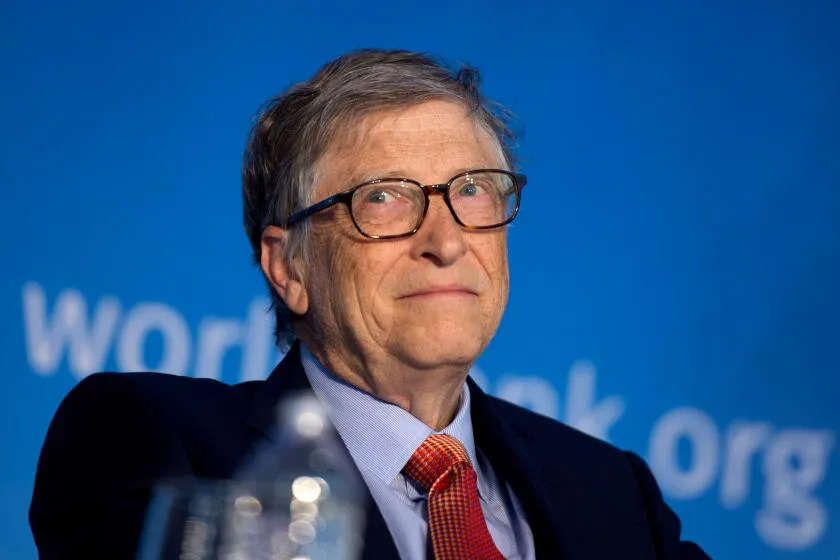
The Gates Foundation has pledged at least $1 billion over the next two years to expand global access to artificial intelligence, with a focus on education, healthcare, and agriculture in low-income communities. For builders, this signals a growing demand for multilingual AI systems and locally-grounded data pipelines, and it frames equitable AI access as a concrete engineering challenge rather than just a policy goal.
The $1 billion pledge and where it goes
The funding, announced in the foundation's annual Goalkeepers Report, is allocated roughly 40% to education, 40% to healthcare, 10% to agriculture, and 10% to digital initiatives such as expanding language data for AI tools. The foundation plans to support partners already working to close AI access gaps, with an emphasis on building AI that works in every language and is grounded in local data.
Why language and local data matter for AI access
The Goalkeepers Report highlights a stark disparity: about 1 billion people, mostly English speakers, benefit from improving AI systems, while roughly 7 billion are left behind. For example, AI speech recognition fails less than 6% of the time in English but more than ten times as often in Yoruba, one of the most widely spoken languages in West Africa. Gates outlined three building blocks over the next 12 to 18 months: AI built to work in every language, grounding in local data, and investments to help communities use AI for their needs.
The connection to the AI slowdown debate
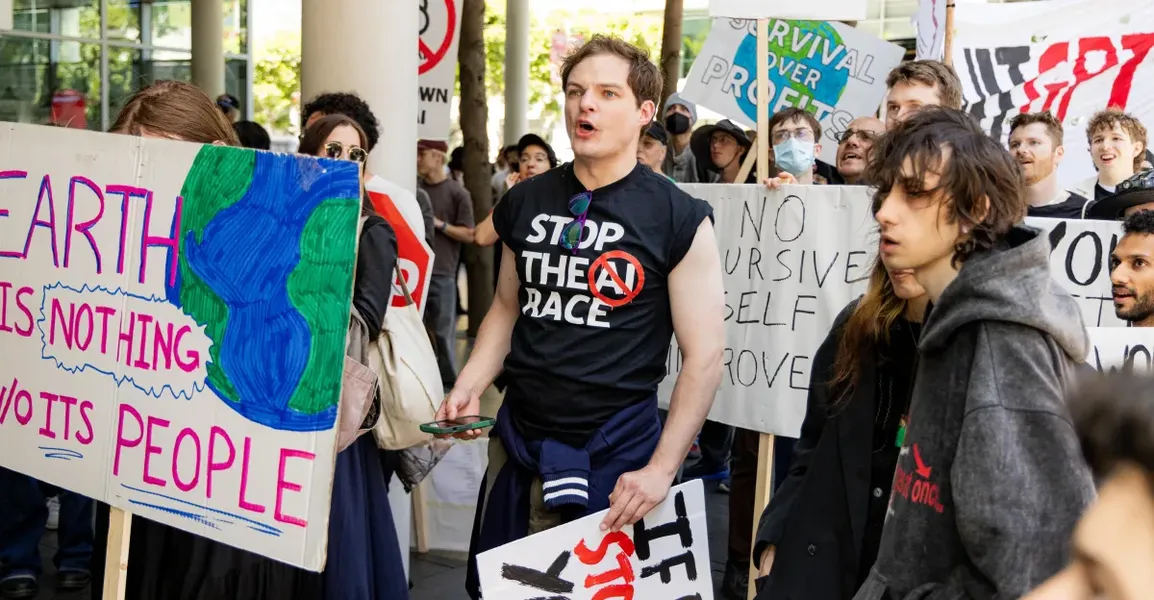
The pledge comes amid broader calls to slow AI development. Anthropic CEO Dario Amodei and California lawmakers have urged caution, and Gates echoed that sentiment, writing on LinkedIn that slowing AI growth would give more time to ensure benefits outweigh harms. The foundation's funding is framed as part of responsible deployment, acknowledging that the transition to an AI era will be turbulent.
What this means for AI builders
For developers and product teams, this initiative creates practical opportunities and constraints. Building AI that works in every language means investing in multilingual training data, language-specific fine-tuning, and evaluation pipelines that cover low-resource languages. Grounding AI in local data requires partnerships with local organizations and infrastructure for data collection and model adaptation. The 10% allocation for digital initiatives specifically targets expanding language data for AI tools, which could fund open datasets or API access for underrepresented languages.
Builders targeting global health, education, or agriculture markets should watch for grant programs and partnership opportunities from the foundation. The emphasis on local data also means that models trained primarily on Western internet text will need adaptation, creating demand for domain-specific and region-specific fine-tuning services.
A few caveats: the funding is announced but specifics on which partners and timelines are still emerging. The $1 billion is over two years, and the foundation's CEO Mark Suzman indicated the figure could grow. The plan's success depends on execution and local adoption, not just funding.
FAQs
Sources
- Gates Foundation commits $1 billion to improving global AI access
- Gates Foundation commits $1 billion to improving global AI access
- Gates Foundation pledges $1 billion to drive AI equality globally
- Bill Gates: Governments Unprepared for AI, Pledges $1B
- Gates Foundation Commits US$1 Billion to... - South Africa Today
- Gates Foundation pledges US$1 billion to expand equitable access...
- Gates Foundation commits $1 billion to improving global AI access
- Gates Foundation warns AI could widen inequality as foundation pledges $1...
- Gates Foundation pledges $1 billion to try and make AI more equitable
- Bill Gates Urges AI Equity as Foundation Pledges $1 Billion
- Gates Foundation warns AI could widen inequality as foundation pledges $1 billion to expand access
- Gates Foundation Commits US$1 Billion to Help Build and ...
- Gates Foundation Pledges $1 Billion to Combat A.I. Inequality
- Gates Foundation commits $1 billion to expand equitable AI ...
- Gates Foundation puts $1B to reduce social inequity in AI ...
- Gates Foundation bets $1B on AI to boost global health, agriculture and education