Dallas AI Cameras on Garbage Trucks: What Builders Should Know About Blight Scoring and Municipal Computer Vision
Published by AINave Editorial • Reviewed by Ramit
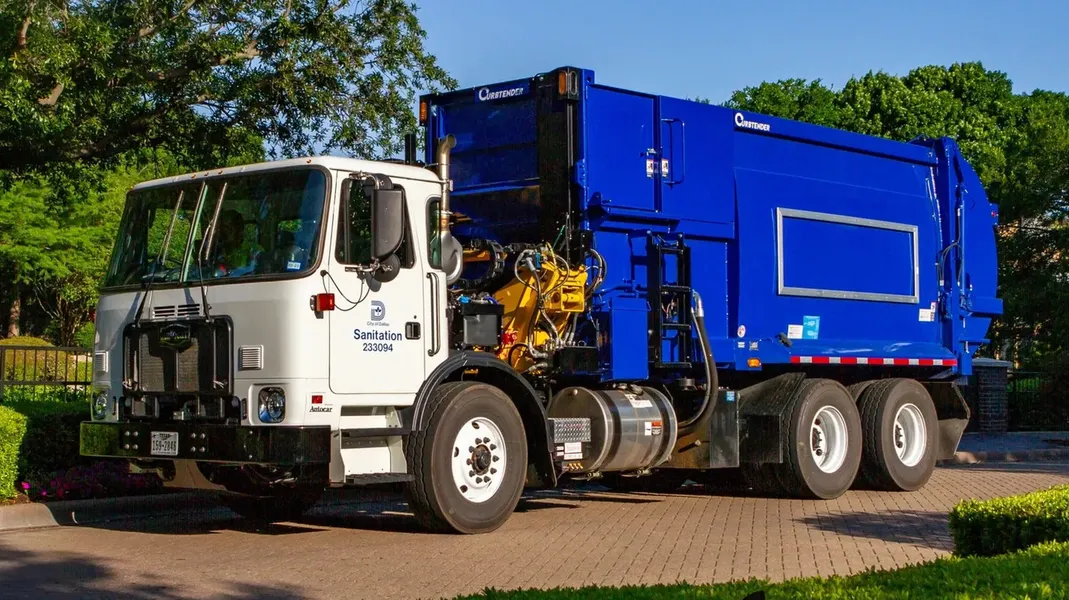
Dallas has deployed AI-powered cameras on 50 garbage trucks that photograph every property along their routes and scan for code violations like overgrown grass, debris, and peeling paint. The system assigns each property a "blight score" from 1 to 4 to prioritize enforcement. For AI builders, this is a rare look at how computer vision gets procured, deployed, and governed in a municipal setting, complete with privacy safeguards, human review loops, and the inevitable equity questions.
How Dallas's garbage truck AI cameras work
The city awarded City Detect a three-year, $2.5 million contract to outfit 50 sanitation trucks with side-facing cameras. Testing began in April and scaled up over the summer. Each truck carries two cameras aimed at either side of the street, capturing images from the public right-of-way. The AI flags potential violations such as lawn grass height, debris on sidewalks, branches, and paint issues. Human reviewers then examine the flagged images and assign a blight score, which determines whether a courtesy notice or fine is issued.
The cameras blur faces and license plates, and City Detect's CEO stated the system is not connected to law enforcement or federal databases. That design choice matters for any builder deploying computer vision in public spaces.
What this means for AI builders
This deployment is a textbook case for teams building computer vision products for government clients. The procurement process, data governance requirements, and human-in-the-loop workflow are all visible here. The city explicitly chose to blur PII at capture time rather than relying on post-processing, a decision that reduces privacy risk but also limits downstream use cases. The human review layer adds latency but provides a clear audit trail for enforcement actions.
For builders, the key takeaway is that municipal computer vision deployments are happening now, and they come with specific constraints: public right-of-way capture, strict privacy requirements, and the need to demonstrate equitable outcomes. The geographic concentration of detections in Southern Dallas, an economically depressed area, shows how algorithmic enforcement can amplify existing disparities if not carefully monitored.
Enforcement outcomes and geographic disparities
City records obtained by NBC Dallas Fort Worth show over 21,000 properties flagged and about 1,800 courtesy notices issued since testing began. Most detections occurred in Southern Dallas neighborhoods. The city says the goal is to save time for code enforcement officers and deter violations, but residents argue the cameras are a privacy violation and that stricter enforcement
Sources
- Dallas Installed AI Cameras On Its Garbage Trucks That Photograph Every House And Scan For Code Violations
- Dallas AI cameras scan homes from garbage trucks | Cybernews
- Credit Scores for Curb Appeal: Inside Dallas’s $2.5 Million AI Code...
- Dallas Installs AI-Powered Cameras on Garbage Trucks | LinkedIn
- City of Dallas to put AI cameras on garbage trucks to identify code...
- Just A Car Guy: Dallas put cameras on garbage trucks to scan...
- AI cameras on Dallas trash trucks score 21,000 homes for blight
- Dallas garbage trucks are using AI cameras to flag code violations and give homes a "blight score"
- Does your home have a ‘blight score'? AI cams on trash trucks look for code violations
- Big Brother on Wheels: Trash Trucks With AI Cameras Are Coming to a City Near You
- Your garbage truck is about to start spying on you. Your car already did, and got fined for it.
- Dallas installed AI cameras on its garbage trucks that ... - MSN
- Dallas Deploys AI Cameras on Garbage Trucks for Property ...
- AI cameras on Dallas trash trucks to spot violations – NBC 5 ...
- Dallas puts AI cameras on trash trucks to take photos of ...
- Dallas installed AI cameras on its garbage trucks that photograph every house and scan for code violations