Meta launches Muse personal AI agent: a practical step toward agentic AI for consumers
Published by AINave Editorial • Reviewed by Ramit
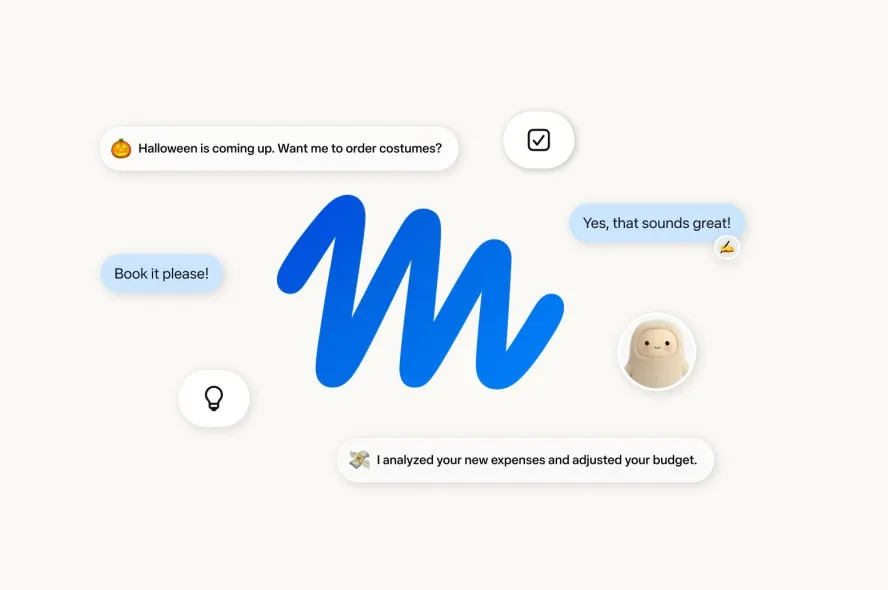
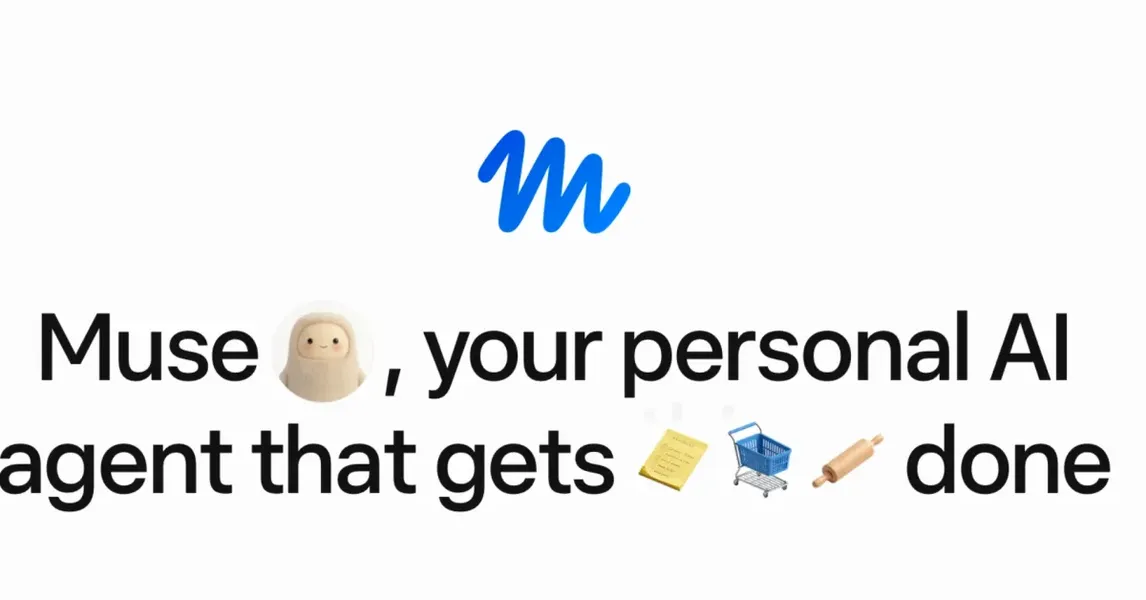
Meta launched Muse, a personal AI agent that can autonomously send emails, book travel, fill out forms, and negotiate on your behalf. It's available in the US as an iPhone app, through the web at muse.ai, and via WhatsApp. For builders, this is a concrete signal that agentic AI is moving from chat to action, but the architecture and trust model deserve close attention.
Muse arrives as a personal AI agent that can send emails, book travel, and negotiate on your behalf
Muse is powered by Muse Spark, Meta's most capable agentic model. It connects to your email, calendar, payments, and other services to perform multi-step tasks. For example, it can turn a saved Instagram recipe reel into a grocery list, suggest a dinner menu while recalling guests' dietary restrictions, and send invites. For purchases, it uses Link by Stripe for checkout, with Shopify Shop Pay and 1Password integrations coming soon. If a service has no API, Muse can access it via browser.
Muse runs on a dedicated secure VM (Muse Secure VM) with a separate Sentinel agent for data protections. Meta says Muse has no visibility into passwords or payment methods, and it does not share conversations with Meta's ad systems. Users can customize the agent's name and avatar, and they can choose which apps to connect and how much access each gets.
How Muse works: a dedicated VM, granular permissions, and a separate Sentinel agent
Muse's architecture is one of the most interesting parts for builders. The agent runs in its own isolated virtual machine with a Sentinel agent that is kept separate at the system level. This is designed to prevent Muse from accessing raw credentials or payment data while still performing actions. Meta also allows users to opt out of training data use and to tell Muse to forget specific things it has learned.
For builders, this pattern of a dedicated secure VM plus a separate oversight agent is worth watching. It mirrors the kind of privilege separation that enterprise agent systems need, but adapted for consumer use. The granular permission model (can read vs. can send for email, for example) is a good baseline for any agent that accesses user accounts.
What builders should learn from Muse's architecture and pricing
Muse offers a free tier with usage limits and two paid plans: Power at $20/month and Maximum at $100/month. The app includes a usage meter that warns users when they are approaching the limit. Meta expects most users to stay on the free tier.
For product teams shipping AI agents, this tiered model is pragmatic. It lets users try the agent risk-free while setting clear boundaries for heavy usage. The usage meter is a small detail that can prevent surprise bills, which builds trust.
Muse also demonstrates task continuation after app closure. The agent keeps working in the background and re-engages when it needs approval or when something changes. This is a key capability for any agent that handles long-running workflows like selling a car or lowering a bill.
The trust problem: why Meta's history matters for adoption
Muse's biggest challenge is not technical. Meta has a history of privacy violations, including the Cambridge Analytica scandal, multiple FTC settlements, and a recent $18 billion multistate settlement over social media harms. The company is asking users to trust it with even more sensitive data: email access, payment credentials, and the ability to take actions on their behalf.
Meta has made strong privacy promises for Muse. It says the agent does not share data with ad systems, and it publishes technical documentation to back its claims. But independent security researchers will need to verify the architecture. The Center for Democracy and Technology warned that agents getting things wrong could damage reputations, leak medical information, or deplete bank accounts.
For builders, the takeaway is clear: privacy and security are not just compliance checkboxes for consumer AI agents. They are the core product requirement. Any agent that handles real user actions needs isolated execution, granular permissions, clear data boundaries, and independent auditing. Muse's architecture is a step in the right direction, but trust will take years to rebuild.
What this means for AI builders
Muse shows that agentic AI is moving from chatbots to action-oriented systems that handle real workflows. The dedicated VM pattern, granular permission model, and tiered pricing are all patterns worth studying. But the trust gap remains the biggest obstacle. If you are building a consumer-facing agent, invest in transparent data handling, user control, and independent security reviews from day one. That is the only way to make agents that users will actually let run their digital lives.
FAQs
Sources
- Meta AI launches Muse personal agent, including a new mobile app for iPhone
- Meta launches personal AI agent, Muse, emphasizes safety and privacy
- Meta wants its new AI agent to run your digital life
- Meta debuts its Muse AI agent. Will consumers trust it?
- Introducing Muse: The World’s First Personal AI Agent Built for...
- Techmeme: Meta launches Muse, a personal AI agent that runs on...
- Meta launches Muse, personal AI agent emphasizing safety & privacy
- Muse, Meta’s New Personal AI Agent, Needs You to Trust It | WIRED
- Mark Zuckerberg is buying Meta a seat at the AI table. Does he know what to do...
- Meta’s New AI Agent Wants to Get Personal With You
- Meta introduces Muse, a personal AI agent that can send emails, book travel
- Meta bets on AI agent Muse to catch up in AI race
- Meta launches new AI agent – here’s what to know
- Meta launches personal AI assistant designed to handle everyday tasks
- Meta’s new personal AI agent Muse aims to help with day-to-day tasks
- Muse: Meta's personal AI agent, features & capabilities
- Meta pushes into personal AI agents in Muse Spark family - CNBC
- Meta launches personal AI agent, Muse | AP News