Meta's Muse personal AI agent: security-first design aims to run your digital life
Published by AINave Editorial • Reviewed by Ramit
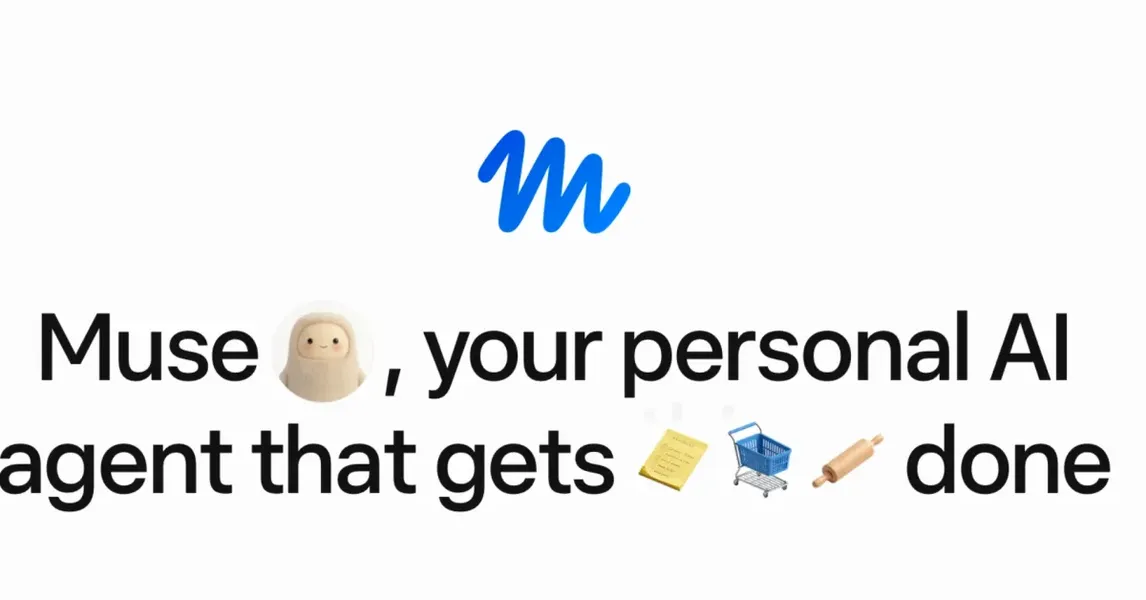
Meta today launched Muse, a personal AI agent that promises to automate digital tasks while keeping user data isolated in a secure virtual machine. For builders evaluating agent architectures, Muse introduces a governance layer (Secure VM + Sentinel) that could influence how safety is designed into consumer agents. But the real test will be whether Meta can deliver on its privacy claims given its track record.
What Muse does and how it works
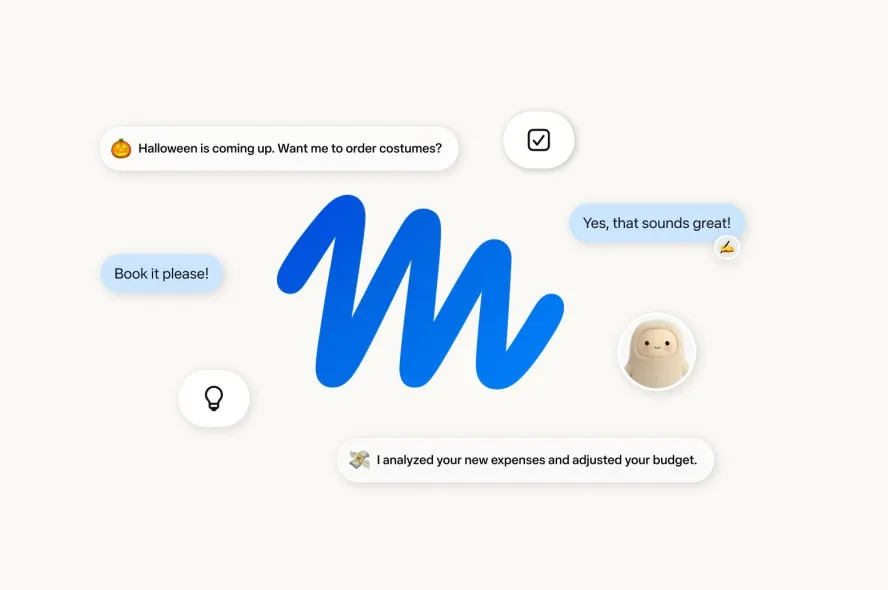
Muse is available on iOS, Android, web (Muse.ai), and WhatsApp, with plans to support Meta's AI glasses soon. It was developed by Meta Superintelligence Labs and competes with agents like OpenClaw and Claw AI. Users can prompt Muse to send emails, book travel, make reservations, process payments, and even sell a car. The agent runs in a Secure VM that isolates its activity, and a tool called Sentinel monitors all outbound actions, enforcing policies and asking for user approval when needed. For payments, Muse uses Stripe Link to generate single-use card numbers, so the agent never sees the user's actual card details.
Why the Secure VM architecture matters for builders
The Secure VM design is the most interesting part for anyone building agent systems. Meta claims the agent's harness runs in an isolated cell, doesn't see real credentials, and every interaction with the outside world passes through Sentinel, which the agent cannot override. This is a pattern worth studying: separating the agent's execution environment from credential storage and applying policy-based monitoring. If Meta ships the planned Confidential VM where users manage security keys locally, it would prevent even Meta from accessing the VM. That would be a meaningful step for trust, but it's not available yet.
Practical implications for consumer agent adoption
For builders shipping consumer-facing agents, Muse's approach to payment security (single-use card numbers via Stripe Link) and data isolation could set expectations. The free tier offers up to 100 million tokens per week, which is generous for experimentation. Paid tiers are $20 per month and $100 per month according to Axios. The agent requires broad access to email, calendar, finances, health, and smart home apps, which is a significant ask. Meta is betting that its security architecture will make users comfortable granting that access.
Caveats and what remains unclear
The biggest caveat is trust. Meta's policies say it won't look inside Secure VMs, but as VP David Singleton told Wired, it technically could. The Confidential VM upgrade is promised but not yet delivered. Until that ships, users must trust Meta not to access their data. Additionally, the agent's effectiveness depends on how well it handles complex multi-step tasks across different apps, and that remains to be seen. The "no learning curve" claim is a vendor promise, not an independent finding.
FAQs
Sources
- Meta debuts its 'secure by design' personal AI agent Muse - SiliconANGLE
- Introducing Muse: The World’s First Personal AI Agent Built for...
- Meta debuts its Muse AI agent. Will consumers trust it? | TechCrunch
- Meta debuts Muse, its long-planned personal AI agent - Anchorage...
- Meta debuts Muse personal AI agent
- Meta debuts its Muse AI agent. Will consumers trust it?
- Meta wants its new AI agent to run your digital life
- Meet Muse: Meta's new personal AI agent built for daily errands
- Meta Launches Simple-To-Use Muse Personal AI Agent
- Meta’s new personal AI agent Muse aims to help with day-to-day tasks
- Meta Announces Muse AI Agent for Personal Tasks and... - Bloomberg
- Meta launches personal AI agent, Muse, to help with everyday tasks
- Meet Muse: Meta's new personal AI agent built for daily errands