AI model access control: US government now vets buyers for OpenAI and Anthropic frontier models
Published by AINave Editorial • Reviewed by Ramit
The Trump administration is now requiring government approval for companies that want to use the latest AI models from OpenAI and Anthropic, marking a sharp shift from a hands-off policy to direct vetting of customers. For AI builders, this means near-term access constraints on frontier models like OpenAI's Sol and Anthropic's Mythos 5, with a government-managed trusted partner list that could reshape who can build and deploy AI-powered products.
What happened
OpenAI announced that the U.S. government would initially approve who gets access to its latest model, Sol, while the company and the administration work out a longer-term plan. Hours later, the Commerce Department sent a letter to Anthropic allowing it to redeploy Mythos 5 only to a restricted list of U.S.-based companies, according to a copy of the letter reviewed by The Washington Post. This follows an earlier export ban that barred non-U.S. citizens from accessing Mythos 5 and Fable 5, leading Anthropic to withdraw the models.
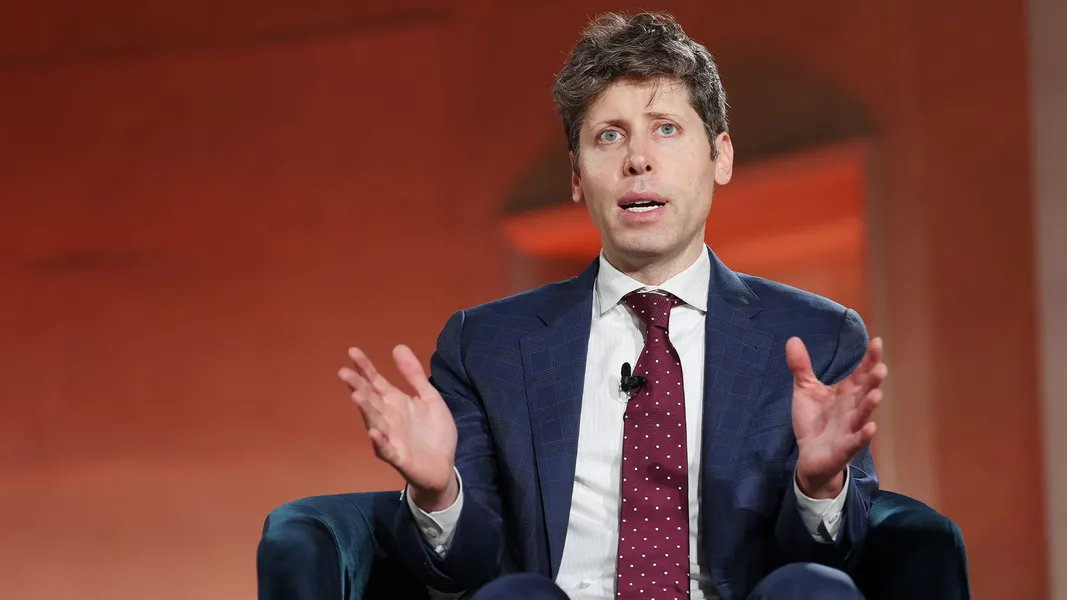
The trusted partner list reportedly includes around 100 companies, and the government has the right to change the list at any time. OpenAI CEO Sam Altman said he does not like the idea of the government picking customers but called it a short-term step toward broader availability in the coming weeks. Anthropic received approval to restore Mythos 5 access to a small group of cyber defenders and infrastructure providers.
Why AI builders should care
For startups and product teams building on frontier AI, this policy introduces a new gatekeeping layer. Access to the most capable models is no longer a matter of API keys and pricing tiers; it now depends on government approval. Industry leaders have criticized the approach as opaque. Adam Kovacevich, CEO of Chamber of Progress, called it "patronage-and-tribute" gatekeeping, and Rep. Sam Liccardo said the administration has positioned itself as an "unreviewable gatekeeper" without clear standards.
The shift also threatens international collaboration. At the G7 summit, leaders from France and Canada expressed concern about over-reliance on U.S. AI companies that the White House could place off-limits to non-Americans. Canadian companies Cohere and Bell have already announced a partnership to build "sovereign" AI run out of domestic data centers. For builders outside the U.S., this could mean limited access to frontier models and increased pressure to adopt alternatives from other regions.
Practical implications
Access to OpenAI's Sol and Anthropic's Mythos 5 is currently limited to government-approved organizations. There is no process for individual users to access Sol. The government can update the trusted partner list at any time, which could affect ongoing deployments and product roadmaps. OpenAI has been providing its own cybersecurity-focused model to companies without government oversight for over a month, but the new rules now apply to its most powerful model.
For builders, this means:
- You may need to be on a government-approved list to use the latest models.
- Non-U.S. entities face significant restrictions, with only the British AI Security Institute currently having access to OpenAI's GPT-5.6 outside the U.S.
- The policy is temporary according to OpenAI, but the timeline for broader access is unclear.
Caveats
The policy is still evolving. The details of the trusted partner list, the criteria for approval, and the long-term framework are not yet publicly codified. OpenAI has stated it opposes long-term government control of customer access, and the administration is working with AI labs to develop a more permanent approach. Builders should monitor policy developments closely and consider fallback options, including open-source models or non-U.S. providers, especially if their user base or operations span multiple countries.
FAQs
Sources
- The U.S. government will decide who gets to use the latest American AI technology
- See the latest updates, context, and perspectives about this story.
- U.S. government will decide who gets to use GPT-5.6 | Hacker News
- Trump has ordered government agencies to stop using Anthropic AI...
- Three things to watch amid Anthropic’s latest feud with the government
- The trap Anthropic built for itself | TechCrunch
- U.S. government will decide who gets to use latest upgrade to ChatGPT
- Trump’s Anthropic crackdown sets off AI alarms for US allies
- Regulation of artificial intelligence in the United States - Wikipedia
- The U.S. government will decide who gets to use the latest American AI technology
- Promoting Advanced Artificial Intelligence Innovation and Security – The White House
- What to make of the Trump administration’s AI Action Plan | Brookings
- Trump’s new AI executive order drastically shifts the administration’s stance on the tech | Scientific American
- The Government's AI Standoff Could Decide Who Controls Military Tech - Business Insider
- The empty national AI policy framework: Who is in charge of those in charge? | Brookings