Claude's Google Workspace Integration Turns the Assistant Into an AI Workplace Agent
Published by AINave Editorial • Reviewed by Ramit
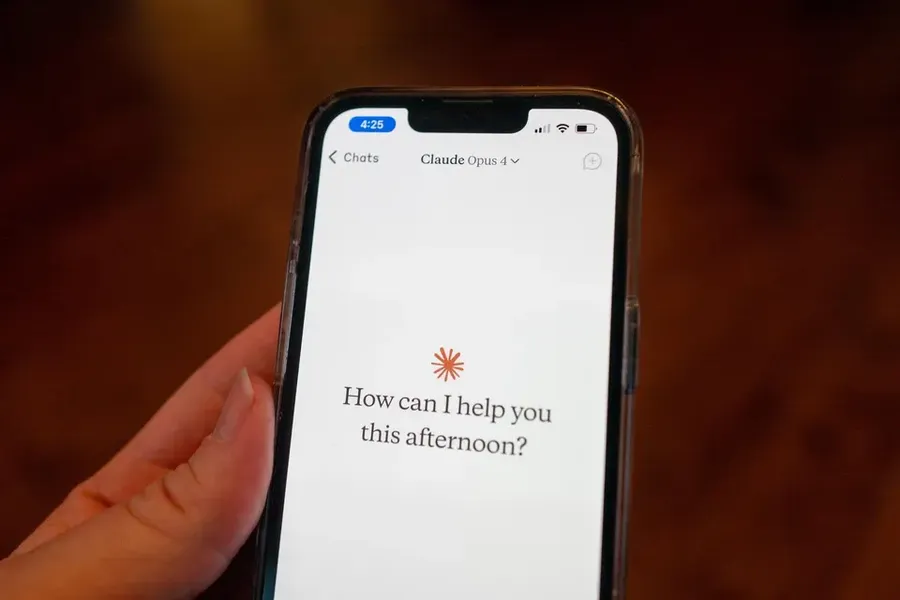
Anthropic's Claude is no longer just a chat assistant that reads your Google Drive files. With the latest update to its Google Workspace connectors, Claude can now send emails through Gmail and manage files and folders in Google Drive, and the Claude Cowork tool for multi-step workflows is now accessible from mobile and web on all paid accounts. This moves Claude closer to a full AI workplace agent, but the real challenge for builders and IT teams is not the technology -- it's the governance and rollout planning that needs to come with it.
What changed with the Google Workspace connectors
The expanded Google Workspace connectors give Claude write-level access to Gmail and Drive. Previously, Claude could search emails and pull up files, but now it can send and reply to messages and organize Drive content. The update was announced by Anthropic and covered by multiple outlets. Claude Cowork, which plans and executes multi-step workflows, previously required a desktop session; now it can be monitored and managed from mobile and web interfaces on all paid accounts.
Why this matters for AI builders
If you're building internal tools or deploying AI assistants for your team, this update changes the operational model. Claude is moving from a read-only research assistant to an agent that can take actions in your core productivity tools. That means you need to think about permissions, oversight, and what happens when an AI sends an email on behalf of a team member. The Forbes article notes that many companies are letting employees use these tools haphazardly, which is a risk. A coordinated rollout with clear objectives, training, and consistent usage across teams is necessary to avoid "rogue" AI use.
Practical implications for deployment
For product teams and IT, the immediate takeaway is that AI workplace agents are ready for production use, but only with proper guardrails. You should designate a project manager or consultant to define objectives, agree on usage policies, and train the team before rolling out. The technology works, but the human and process layer is where most deployments fail. Claude's new capabilities also mean you can automate workflows like drafting and sending follow-up emails after a meeting, or organizing project files in Drive based on a conversation. But each of these actions needs to be reviewed for compliance and accuracy.
Caveats to watch
The update applies to paid Claude plans, but the exact plan-level capabilities and regional availability are not fully detailed in the sources. The ability to send emails autonomously raises trust and security questions -- some users are divided on AI-driven email management risks. Anthropic CEO Dario Amodei has acknowledged a "crisis of trust" around AI, and these integrations will test that trust in real business contexts. Additionally, the Claude Cowork mobile access is a significant expansion, but the reliability of multi-step workflows on mobile connections is unverified.
FAQs
Sources
- Claude Has More Google Workspace Integrations...And Other Business Technology News This Week
- Claude Has More Google Workspace Integrations…And Other Business ...
- Claude Can Now Take Actions For You in Gmail, Google Drive
- Claude Gmail Integration Gets a Powerful Google Workspace Upgrade, now ...
- Claude Gets More Powerful Google Workspace Connectors, Can Now Send ...
- Google News - Anthropic expands Claude capabilities in Google...
- Claude
- Anthropic Claude Integrates Gmail and Google Drive... | LatestLY
- Claude AI Can Now Send Emails in Gmail Without Approval
- Claude reads Gmail, OpenAI model... | Tech Rede AI Newsletter
- Claude