FDA Signals Formal GenAI Regulation Plans for Medical Devices: What Builders Should Know
Published by AINave Editorial • Reviewed by Ramit
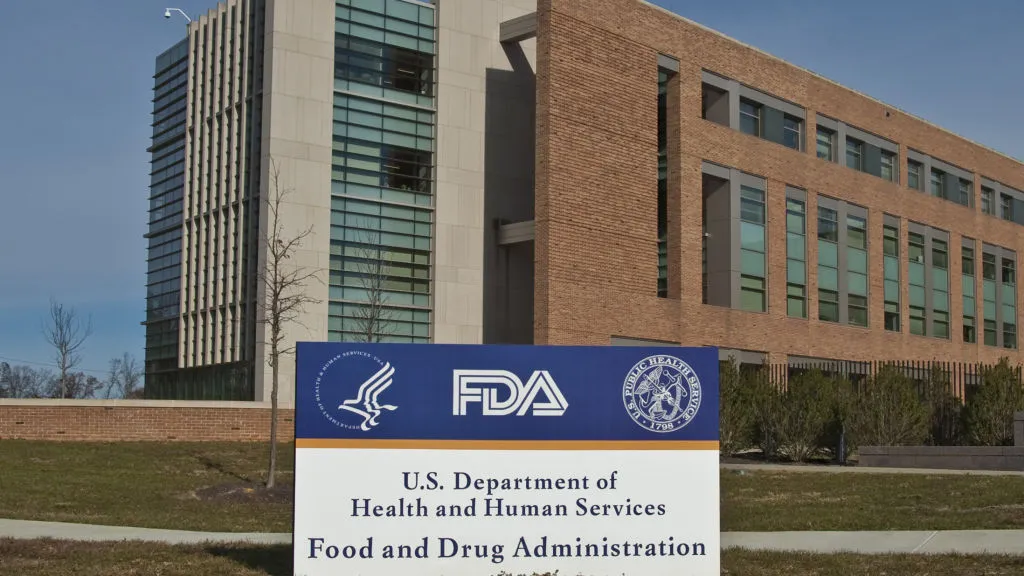
The FDA is moving from informal signals to concrete policy on generative AI in medical devices. Rick Abramson, director of the agency's Digital Health Center of Excellence, told STAT News that the agency's goal is formal policy guidance -- both broad rules for GenAI and narrower guidance on especially complex topics. On August 18, 2026, the FDA published a discussion paper and opened a public comment window through October 19, requesting input on risk assessment, premarket evaluation, and postmarket monitoring for GenAI-enabled medical devices. For AI builders shipping products into clinical settings, this marks the beginning of a clearer regulatory path, but also the moment to start preparing for new requirements.
The FDA's discussion paper acknowledges that GenAI-enabled medical devices hold transformative promise but also introduce unique risks compared to traditional software and earlier AI-enabled devices. The agency is seeking feedback on how to evaluate these risks and adapt existing frameworks. The comment period is open to manufacturers, developers, healthcare providers, and the public.
What the FDA is planning
Abramson confirmed that the agency intends to release both broad guidance on generative AI and more narrowly constructed specialty guidance for topics of special complexity. This dual approach suggests the FDA recognizes GenAI's variability: a radiology report generator raises different concerns than a chatbot that triages patient symptoms. The risk-based approach will consider each product's intended use and technological characteristics.
The Digital Health Center of Excellence is leading the effort, coordinating the discussion paper and stakeholder engagement. The agency has already shown interest in GenAI through recent breakthrough device designations for radiology platforms, signaling that regulatory attention is accelerating.
What builders should watch
The immediate practical change is that the FDA is now actively shaping its stance. Builders should review the discussion paper's questions on premarket evaluation and postmarket monitoring. Expect that any GenAI-powered diagnostic, triage, or clinical decision support tool will face scrutiny on how the model was trained, how outputs are validated, and what happens when the model updates post-deployment. The agency is specifically asking about continuous learning and model drift, which are central to how GenAI products behave after launch.
Caveats to keep in mind
The discussion paper is not final guidance. It is a request for feedback, and the comment period runs through October 19, 2026. The FDA has not committed to a timeline for releasing draft or final guidance documents. The scope is limited to medical devices regulated by CDRH; other FDA centers may have different approaches. Additionally, the agency's risk-based approach is not yet defined in detail -- what qualifies as low risk vs. high risk for GenAI remains an open question. Builders should participate in the comment period to influence the outcome.
For now, the takeaway is that regulatory clarity is coming, but builders should not wait for final rules to start documenting their development processes, validation strategies, and postmarket monitoring plans. The discussion paper provides a blueprint of what the FDA is thinking. The smartest teams will align their practices now.
Sources
- FDA digital health leader promises generative AI regulatory guidance is coming
- FDA Seeks Public Feedback to Inform Regulatory Approach for Generative AI-Enabled Medical Devices | FDA
- Considerations for the Regulation of Generative AI-Enabled Medical Devices: Discussion Paper and Request for Feedback | FDA
- FDA seeks input on regulatory framework for generative AI-enabled medical devices
- FDA Opens Public Comment on Generative AI Medical Device Rules, Deadline October 19
- FDA Opens Comment Period on GenAI Device Regulation
- FDA gives generative AI in radiology two breakthrough designation nods
- FDA backs 2 generative AI radiology platforms
- FDA digital leader hints at coming AI policy updates
- Generative Biology Is Rewriting The Rules Of Drug Discovery
- FDA seeks feedback on generative AI regulations
- FDA Seeks Input on GenAI-Enabled Medical Device Regulation
- FDA Seeks Public Feedback to Inform Regulatory Approach for Generative AI-Enabled Medical Devices
- FDA questions on genAI-enabled chatbots raise concerns from expert panel
- Feds want feedback on AI-enabled medical device regulation
- FDA wants feedback on how to regulate generative AI in medicine