Twitch Amazon AI Training Lawsuit: What Builders Need to Know About Data Consent
Published by AINave Editorial • Reviewed by Ramit
A class action lawsuit alleges that Twitch and Amazon used streamer content to train AI models without permission, directly raising questions about consent and data licensing that matter for any team building AI products on user-generated data.
A streamer takes on Twitch and Amazon over AI training data
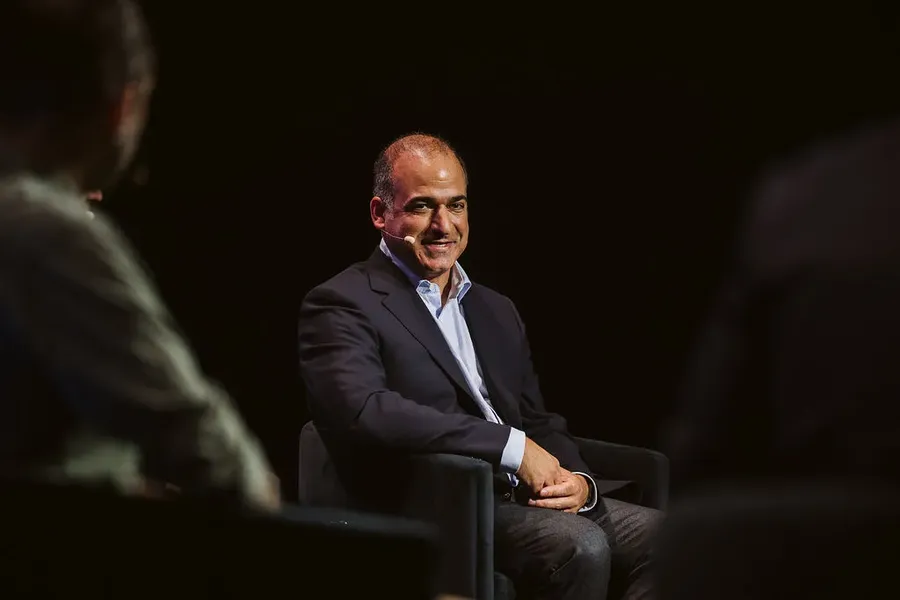
Warren Pandiscia, a Connecticut streamer, filed a class action lawsuit claiming his streams and videos were used as a "dataset necessary to fuel Amazon's AI products" without licensing or compensation. The suit, first reported by Courthouse News, argues that Twitch and Amazon breached contrat by treating creator content as "free training stock" Engadget. Twitch had recently introduced an opt-out setting for generative AI training, but the default allows content to be used unless streamers manually disable it. Twitch's chief product officer, Mike Minton, said that if it were opt-in, "nobody would opt in" Engadget. This case is not isolated: three YouTubers previously sued Apple for scraping copyrighted content to train its AI models Engadget.a
For AI builders: why the default opt-out design matters
This lawsuit highlights a structural choice many platforms face: opt-in versus opt-out for AI training. Minton's admission that opt-in would result in low participation reveals how default settings are designed to maximize data collection Engadget. For teams building AI products that depend on large-scale, user-generated training data, the outcome could reshape how platforms like Twitch, YouTube, and others manage data consent. If courts require explicit opt-in or licensing agreements, the cost and complexity of souring training data could rise significantly.
What changes for AI training data strategies
Developers and product teams should watch this case closely for its impact on platform policies. If the suit succeeds, platforms may need to negotiate licensing with creators or provide clearer opt-in mechanisms. For now, builders must be aware that even publicly stramed content used for training carries legal risk Wired. The suit also alleges retroactive data use, claiming Amazon may have used content dating back to 2024 regardless of opt-out settings Kotaku. This suggests that past training may already incorporate data from creators who later opt out, making it difficult to fully withdraw consent.
What remains uncertain
The lawsuit is in its early stages. All claims are allegations and have not been tested in court. Twitch and Amazon have not filed a response, and the legal process may take months or years. The exact scope of data used is also unclear: Twitch's FAQ indicate that streams, past broadcasts, clips, chats, pictures, and text may be used for AI training Courthouse News. Whether clips shared by others can still be harvested after a creator opts out remain an open question. The final outcome could set precedent for how platforms govern training data consent, but for now, builders should stay alert to evolving policies and legal requirements.
Sources
- Twitch and Amazon hit with lawsuit for training AI with streamers' content
- Class Action Lawsuit Filed Against Twitch Over AI Training
- Twitch And Amazon Hit With Lawsuit For Training AI With Streamers ...
- Twitch and Amazon face lawsuit over AI training using streamers' content
- A Twitch Streamer Is Suing Amazon Over Years of Secret AI Training
- Twitch faces a class action lawsuit over using streamers' content to ...
- Streamers Sue Twitch, Amazon Over AI Training Use of Content
- Twitch Adds Opt-Out That Keeps Streamer Content Out of Amazon AI Training
- Amazon Can Use Your Twitch Content to Train Its AI—Unless You Opt Out
- Amazon’s Twitch is using livestreams to train its generative AI, and nobody’s happy with it
- Twitch faces fury as it confirms Amazon is training AI on its livestreams
- Twitch adds new setting to stop Amazon from using creators' content for AI training
- Online streamers sue Twitch, Amazon over generative AI training
- Amazon, Twitch Face Class Action Lawsuit Over Generative AI...
- Twitch And Amazon Hit With Lawsuit for Training AI... - Slashdot
- Twitch streams feed Amazon AI by default; opt out or your content is already used
- Twitch Streamers Can Now Refuse To Let Amazon Train Its genAI Models On Their Content