XPeng's AI-Powered Parking System Shows How End-to-End AI is Reshaping Automotive Software
Published by AINave Editorial • Reviewed by Ramit
XPeng demonstrated an AI-powered parking system that can park a car in tight spaces using a single end-to-end neural network. For AI builders, this signals a shift from modular architectures to unified perception-planning-control systems in automotive software, reducing complexity and opening new integration patterns.
What XPeng's AI Parking System Actually Does
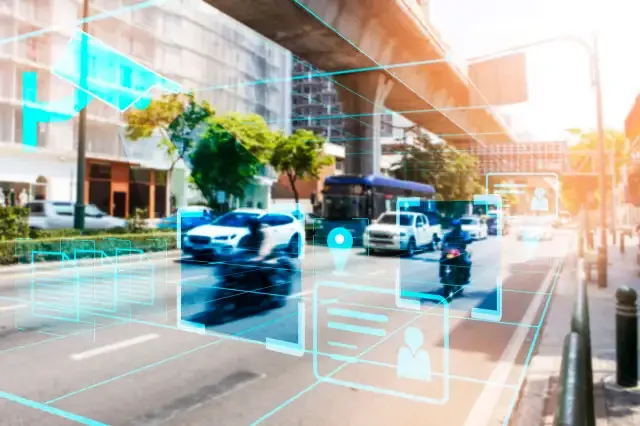
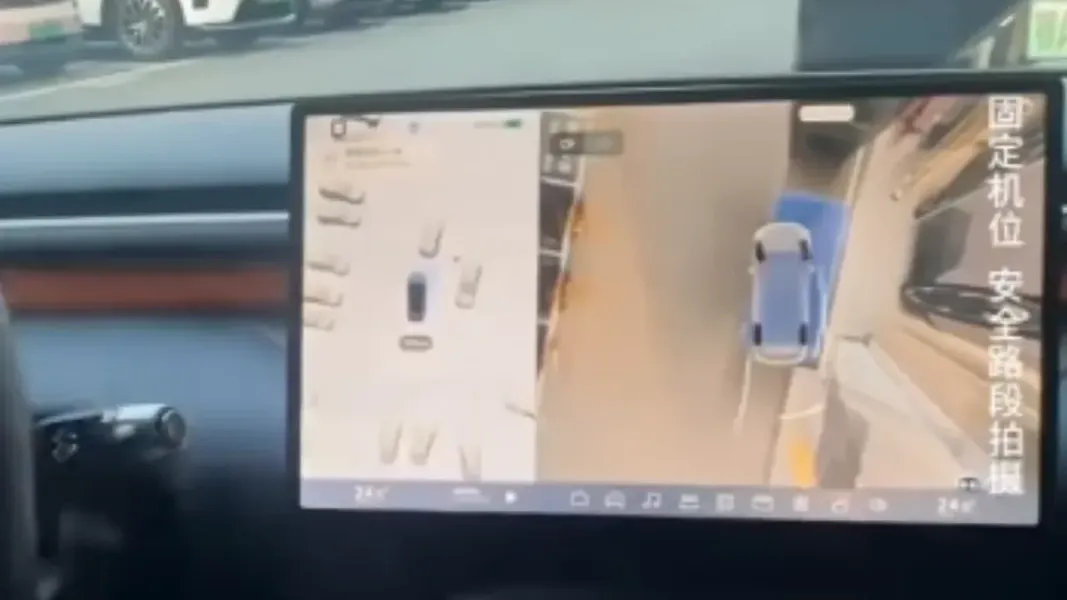
A clip shared on X shows XPeng's system navigating a tight parking spot without driver input. The driver marks the desired position on a touchscreen, and the car handles steering, acceleration, and braking autonomously Source. The feature is part of XPeng's broader push into AI-driven vehicle software, which includes remote parking assist and other automated driving aids Source.
The demonstration is notable not just for the parking capability itself but for what it represents: an end-to-end AI approach where one network processes sensor data, plans the path, and controls the vehicle, rather than relying on separate modules for perception, prediction, and planning Source.
Why This Matters for AI Builders: The Shift to End-to-End Systems
Traditional autonomous driving stacks use separate models for object detection, trajectory prediction, and motion planning. Each component requires careful tuning and hand-coded interfaces. XPeng's system moves toward a unified model that maps sensor inputs directly to control outputs. This architecture reduces integration effort, allows joint optimization of all sub-tasks, and can adapt more naturally to edge cases like unusual parking layouts.
For teams building AI products for automotive, robotics, or any real-world control application, this approach offers a path to lower latency and simpler maintenance. The trade-off is less interpretability and higher demands on training data quality and compute at inference time.
What Changes Practically for Autonomous Driving Software
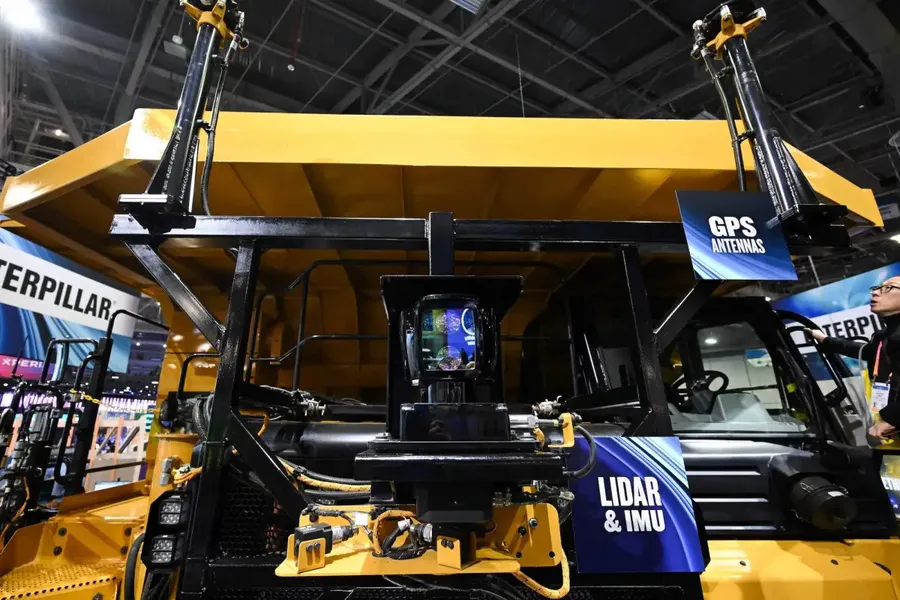
The immediate practical implication is that sensor fusion, real-time localization, and remote control interfaces become even more critical. XPeng's system requires reliable input from cameras, radars, and ultrasonic sensors to map the environment, along with a low-latency touchscreen interaction for the driver to specify the target spot Source.
For product teams, this means investing in robust SLAM algorithms, fail-safe remote stop mechanisms, and clear user interfaces. The parking system also depends on the vehicle's ability to communicate with cloud services for updates and map data, which introduces networking and latency constraints remote parking assist must handle.
Caveats and What's Still Unclear
The available evidence is limited to a demonstration clip and promotional descriptions. XPeng has not publicly disclosed the full sensor suite, compute platform, or training data for this system. Model-level availability (which specific vehicles get the feature and when) is not specified in the cited sources. Real-world performance in non-ideal conditions (low light, heavy rain, irregular parking surfaces) remains unverified.
The end-to-end architecture claim comes from a LinkedIn summary and should be treated as a vendor-intended description rather than independently validated fact.
As with any automotive AI feature, safety validation, regulatory approval, and real-world reliability are critical open questions that the clip alone cannot answer. AI builders should watch for more detailed technical disclosures before making architectural decisions based on this demonstration.
FAQs
Sources
- Chinese carmaker XPeng shows off its AI-powered parking system which will have your car park itself even in tight spaces
- Xpeng Robot Practical Uses Review | TikTok
- How fast can you charge an electric car? The £40,000... | This is Money
- Supercomputer power and keen vision: XPeng shows off an updated...
- cnbc.com/2021/09/09/chinas-xpeng-and-future-of-electric-vehicles...
- Xpeng Expands Beyond EVs With Munich Event, Promising Flying Cars and Humanoid Robots
- Chinese carmaker XPeng shows off its AI-powered parking system which will have your car park itself even in tight spaces
- Chinese carmaker XPeng shows off its AI-powered parking ... - MSN
- XPeng's parking feature is absolutely insane #xpeng - YouTubeXPENG Remote Parking Assist: 3-Step AI-Driven Solution ...XPeng Just Killed Parking Stress Forever with This AI Feature…XPeng Showcases AI-Powered Smart Parking and Autonomous ...XPeng Introduces AI-Powered Parking Feature for Easier ...Xpeng, Xiaomi lead in-car AI push at Beijing auto show
- XPENG Remote Parking Assist: 3-Step AI-Driven Solution ...