Georgia data center scrutiny: OpenAI project triggers transparency debate for AI infrastructure
Published by AINave Editorial • Reviewed by Ramit
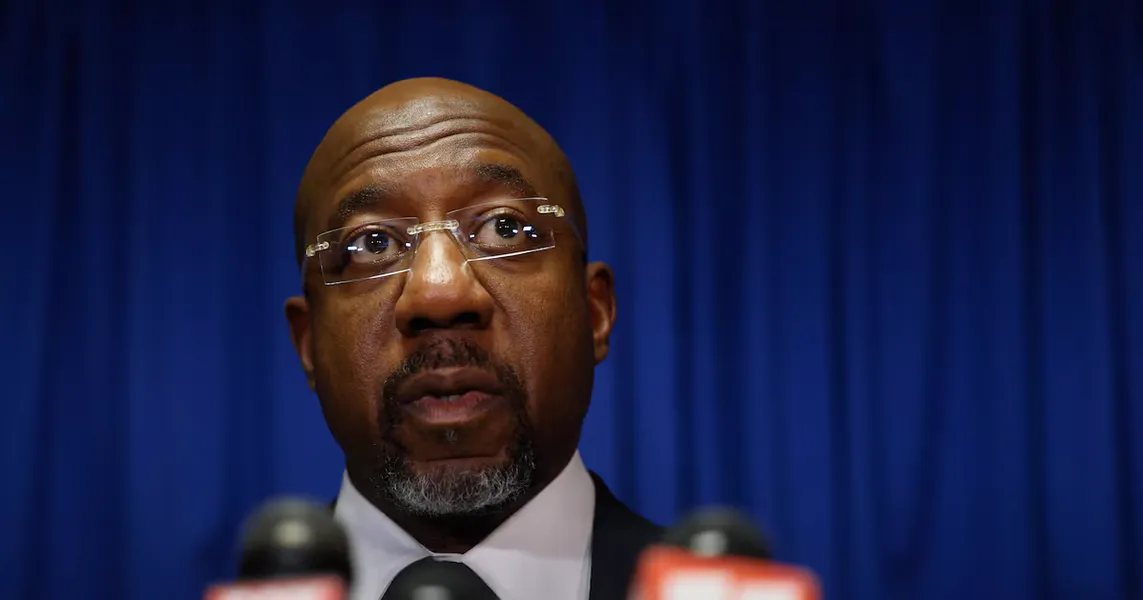
Georgia Senator Raphael Warnock is calling for a statewide moratorium on new data centers after OpenAI's $20 billion project in Effingham County was approved with little public input. The case has become a flashpoint for how AI infrastructure deals are negotiated, what protections residents get, and what builders should expect when siting large facilities.
The deal that sparked the fight
OpenAI announced plans earlier this year for a 1,400-acre data center campus near Rincon, Georgia, about 30 miles northwest of Savannah. The project, called Project Camellia, is one of the largest ever proposed in the state and is expected to draw up to 3.2 gigawatts of power under a deal approved by Georgia regulators. The Effingham County Industrial Development Authority also approved an incentive package.
But Warnock, who grew up in coastal Georgia, visited the site in Guyton and slammed both county officials and OpenAI for negotiating the deal "in the dark, under the cover of night." He argued that residents were not given a meaningful opportunity to weigh in on a project that will consume massive amounts of water and electricity.
Warnock's demands: no guarantees, no approval
Warnock called for a moratorium on any new data center construction in Georgia unless developers can make three specific promises in writing:
- No increase in water or electricity bills for residents.
- No use of non-disclosure agreements to hide project details.
- Prevention of pollution, including noise and light.
He said the protections must be "not only on paper, but in practice" and that the burden should be on developers to prove their projects will not harm local communities. The senator's office released a statement reinforcing that the deal lacked transparency and that residents deserved a real voice.
What this means for AI builders
If you're building an AI company that depends on new data center capacity, this case is a preview of the friction ahead. Large-scale infrastructure projects are increasingly facing local pushback over utility costs, environmental impact, and community engagement. The debate in Georgia isn't just about OpenAI; it's about how all future data centers will be approved in the state.
The specific demands around water and electricity bills are significant. Data centers are power hungry, and if local residents fear rate hikes, they will organize. Similarly, bans on NDAs mean that incentive packages, tax breaks, and utility agreements will become public. That could change how developers negotiate with local governments.
Several communities across the country are already questioning data center deals. The Georgia case could accelerate that trend. Builders should expect more rigorous public review processes, longer timelines for approvals, and a need to proactively address water and energy impacts.
The transparency gap
Warnock's criticism highlights a structural problem: large data center projects are often negotiated privately between developers and economic development authorities, with little public disclosure until the deal is nearly done. The OpenAI project was approved by the Industrial Development Authority and the state utility commission before most residents heard about it. An open house held after the announcement drew immediate pushback.
This pattern isn't unique to Georgia. But the high-profile nature of the OpenAI project and the senator's involvement may force changes. If the moratorium gains traction, Georgia could become a test case for data center transparency laws.
Caveats and what's next
The story is still developing. County officials have defended the process, and OpenAI has held public meetings to address concerns. The Georgia Power deal was approved, but with conditions. It's unclear whether the moratorium proposal will move forward in the state legislature. Builders should monitor the policy debate but not assume it will derail the project. The most immediate effect is likely to be more scrutiny on future deals, not existing ones.
FAQs
Sources
- Warnock blasts OpenAI, Effingham for doing data center deal ‘in the dark’
- Warnock Visits Future OpenAI Data Center Site, Calls for Statewide ...
- Warnock calls for Georgia data center moratorium
- Warnock calls for data center moratorium in Georgia
- Sen. Warnock calls for statewide data center moratorium after ...
- OpenAI holds public open house in Effingham County after announcing $20B data center campus
- OpenAI is building a massive data center in rural Georgia to feed its power-hungry AI models
- Georgia Power deal to power OpenAI data center is approved, with some fine print
- OpenAI, Effingham IDA talk revenue, jobs for data center | Exclusive
- 'Water done right' for Effingham County OpenAI data center
- Warnock calls for data center moratorium during Effingham ...
- Warnock Criticizes Lack of Transparency on Effingham Data Center
- OpenAI holds public open house in Effingham County after announcing $20B data center campus
- Community pushes back on Effingham County OpenAI data center
- OpenAI in Georgia: How $20B data center plan secretly took root in Effingham