AI enters the Fed's policy lens: what builders should watch
Published by AINave Editorial • Reviewed by Ramit
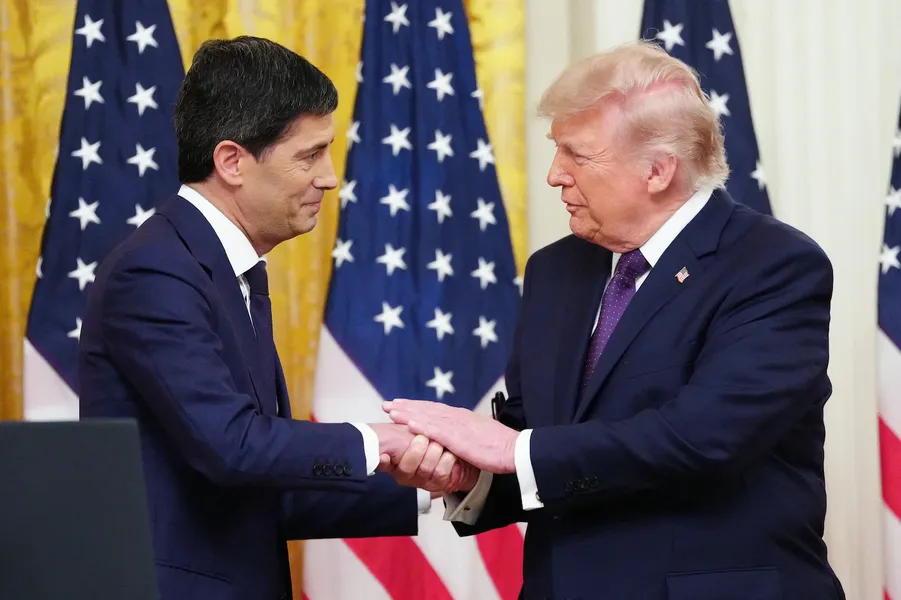
Federal Reserve officials are regularly debating the effect of artificial intelligence on the U.S. economy, according to a Washington Post analysis. In his first major speech since nomination, Chair Kevin Warsh promised to curb inflation but also lavished attention on AI as an emerging priority. No specific policy changes were announced, but the shift in tone signals that AI is entering the central bank's macroeconomic forecasting and risk-assessment toolkit.
What this means for AI builders
The Fed's attention on AI matters beyond monetary policy. If the central bank begins integrating AI into economic modeling, it will create demand for tools that are reliable, auditable, and explainable. Builders working on forecasting engines, economic simulation platforms, or risk-analysis systems may find a new customer in policy institutions. This could accelerate investments in explainable AI and governance features that satisfy the transparency requirements of public-sector decision-making.
Practical implications for product teams
- Forecasting tools: AI-driven models that can incorporate macroeconomic indicators, labor data, and inflation signals may see increased interest from institutions that value real-time or scenario-based analysis.
- Risk assessment: If the Fed explores AI for risk modeling (credit, market, systemic), builders of agent-based or probabilistic risk systems should align with emerging standards for trustworthiness.
- Governance: Policy makers will likely demand audit trails, bias checks, and sensitivity analyses before relying on AI outputs. Products that bake these features in early will have an edge.
What's still unclear
The Washington Post piece draws from public analysis, not from official Fed documents or quantitative benchmarks. We don't know how deeply AI is being debated internally, whether any trials are running, or what specific use cases are being considered. The absence of concrete policy details means builders should watch for more signals before pivoting roadmaps.
This is an early signal, not a mandate. But when the Fed starts talking about AI in the same breath as inflation, it's worth paying attention.