Late-night AI deepfakes: how Kimmel-era clips are reshaping trust online and what builders should know
Published by AINave Editorial • Reviewed by Ramit
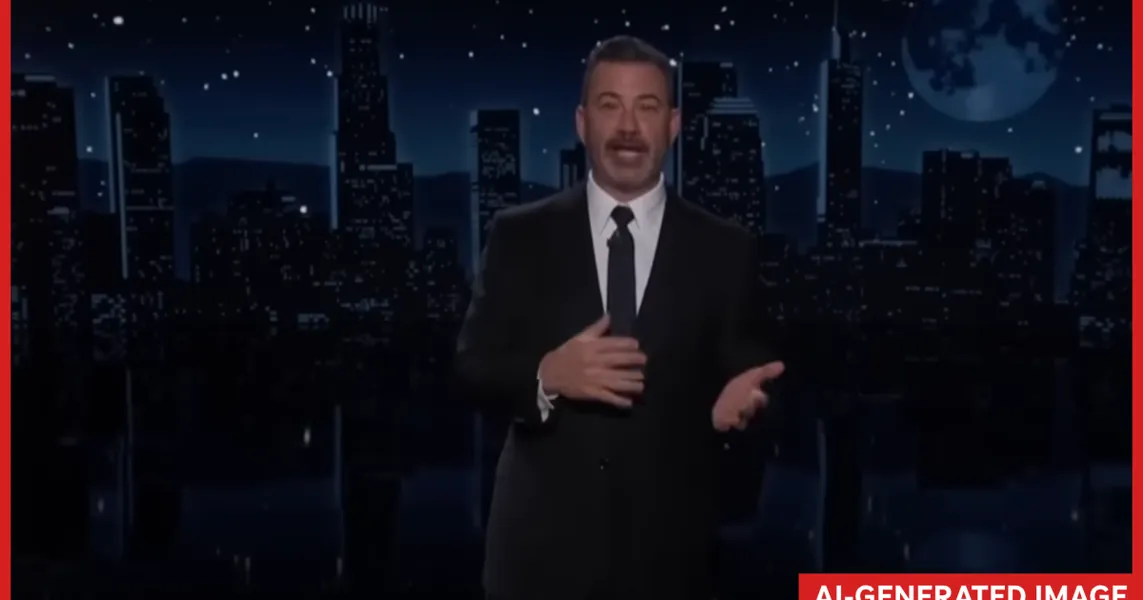
AI-generated deepfake videos impersonating Jimmy Kimmel and other late-night hosts are spreading rapidly across social media, using cloned voices and stock footage to simulate political monologues. Experts say these clips are easier to produce than other celebrity deepfakes and exploit the audience trust built into late-night formats. For builders shipping AI media tools, the trend underscores urgent gaps in platform enforcement, content labeling, and legal protections.
Why late-night hosts are prime targets for video cloning
Late-night hosts are especially vulnerable because they typically sit or stand in one place and talk to the camera, with years of high-quality video and audio available for cloning. Dartmouth professor Hany Farid, who specializes in deepfake analysis, notes that you can take a single image and animate it with a cloned voice and a script [parent URL]. Jed Rosenzweig of LateNighter.com adds that the format creates camouflage: viewers already see clips from Kimmel daily, so a fake thumbnail fits right in [parent URL].
Telltale signs exist. The gestures look odd. The writing doesn't match a live monologue. After about 10 seconds, the host disappears and the cloned voice just runs over news footage. But some videos still rack up hundreds of thousands of views and draw comments that suggest viewers believe they are real [sibling URL].
Platform enforcement: policies exist, but gaps remain
The major platforms say they require AI content labels and use detection tools. Google says it automatically applies labels to realistic AI content on YouTube. Meta requires disclosure on Instagram and Facebook for photorealistic video or realistic-sounding audio. TikTok removes harmful deepfakes and requires labels for realistic AI content that isn't otherwise violating [parent URL][sibling URL]. But enforcement is inconsistent. A Jon Stewart deepfake about Italian Prime Minister Giorgia Meloni remained on TikTok for more than two months without a visible AI label. A YouTube deepfake of Kimmel discussing Trump's golf prowess stayed up for three weeks and accumulated over 230,000 views [parent URL].
Legal gaps leave non-sexual deepfakes unprotected
Current law provides limited recourse. Intellectual property litigator Louis Tompros says the issue falls into a legal gap: copyright covers unauthorized use of creative works, not synthetic doubles of people [sibling URL]. A few states like California and Tennessee offer protections against AI voice clones and video deepfakes. The federal TAKE IT DOWN Act, signed last year, criminalizes non-consensual intimate deepfakes, but it doesn't cover non-sexual deepfakes such as talk show commentary [parent URL]. This leaves many public figures without a clear legal path to takedown.
What builders should do: labeling, provenance, and user education
For product and platform teams, the situation offers a clear set of requirements. AI content labeling shouldn't be optional: build it into the generation pipeline. Use watermarking and provenance indicators (C2PA-style) so authenticity is traceable. Implement automated takedown workflows for impersonation, with a clear reporting path for victims. And invest in user education: teach audiences how to spot telltale signs like odd gestures, mismatched writing, and voice-over after a few seconds [parent URL].
The legal landscape remains uncertain. Builders shipping generative video or voice tools should monitor state-level regulation and anticipate federal changes. Even if your platform isn't targeting late-night hosts, the same vulnerability applies to any public figure with a predictable on-camera format.
FAQs
Sources
- Are you sure that Kimmel clip was real? Late-night AI deepfakes are spreading online
- Are you sure that Kimmel clip was real? Late-night AI deepfakes are spreading online
- Are You Sure That Jimmy Kimmel Clip Was Real?
- Jimmy Kimmel deepfakes surge as late-night AI videos spread...
- AI Deepfake Is getting out of hand (Muskan Karia situation) - YouTube
- AI deepfakes are already in full force this election... - Fast Company
- Why Ai Deepfakes Spread Misinformation | TikTok
- washingtonpost.com/technology/2024/01/26/ai-deepfakes-taylor-swift...
- Are you sure that Kimmel clip was real? Late-night AI ...
- AI Deepfakes Are Making Fake Jimmy Kimmel Clips Dangerously ...
- Fake Jimmy Kimmel Monologues Are Multiplying on YouTube
- AI Clips of Jimmy Kimmel Are Spreading on Social Media