Visa Vulnerability Agentic Harness (VVAH): automated patching with human governance
Published by AINave Editorial • Reviewed by Ramit
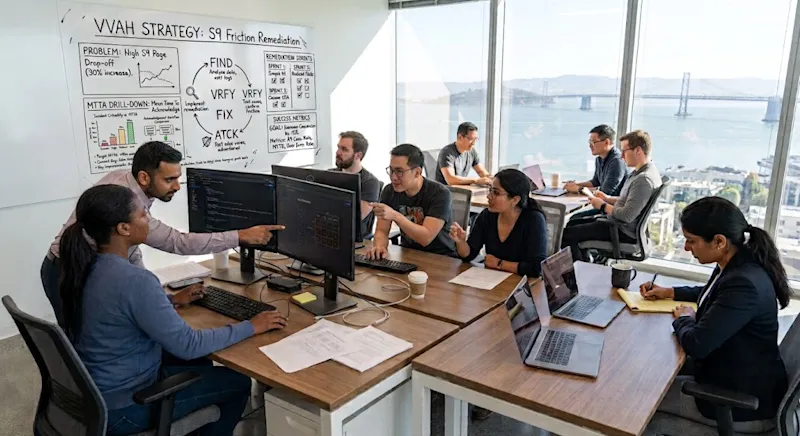
Visa released the open-source Visa Vulnerability Agentic Harness (VVAH), a security pipeline that automatically finds vulnerabilities, writes patches, and runs an adversarial validation panel before any human reviews the fix. The harness keeps three human gates in place, but the default runs all 11 stages and edits source files unless capped at detection. For AI builders, VVAH is a practical example of model-agnostic multi-model orchestration and a shift in security metrics from discovery speed to remediation speed.
The 11-stage pipeline: from detection to adversarial validation
VVAH grew out of Visa's participation in Anthropic's Project Glasswing, where the company aimed Claude Mythos at its payment network and watched the model chain minor weaknesses into working exploits. The harness now extends that capability into a full remediation loop. Stage 10 writes candidate fixes to a working copy of the repo. Stage 11 then runs an adversarial validation panel that scores each fix and returns one of three verdicts: validated, validation failed, or needs review. None of these bypasses your normal build, test, and code review flow, according to Visa. The pipeline also refactors scanning around an abstract syntax tree call graph that maps subroutine calls and attacker traversal paths, which Visa says cuts token counts while
Sources
- Visa ships a security AI that patches production code before any human reviews it
- Visa ships a security AI that patches production code before any...
- Visa Security AI: Proven Code Patches With a Risky Default
- Visa Deploys Security AI to Patch Production Code Before Human...
- This Google AI Finds, Proves, and Patches Hacks — Automatically
- Daybreak | OpenAI for cybersecurity | OpenAI
- IBM just answered a $5 billion cybersecurity question
- The AI Security Institute (AISI)
- Visa Releases Its AI-Powered Cyber Defense System to Open Source | Visa
- Visa Uses AI to Find Vulnerabilities and Open-Sources Security Harness
- Visa used Mythos to hunt for bugs in its own payment network, then open-sourced the harness that made it possible | VentureBeat
- Human oversight is still critical as AI patching tools miss security risks | CSO Online