The US-China AI compute war moves beyond chip exports to cloud access
Published by AINave Editorial • Reviewed by Ramit
The US export controls on Nvidia's most advanced AI chips have a gaping hole: they only restrict physical shipments, not remote cloud access. Chinese AI labs including Moonshot AI, DeepSeek, and ByteDance have reportedly been training frontier models by renting compute from data centers in Thailand, Malaysia, and Japan, using Nvidia's banned GB300 and Blackwell-class GPUs without ever importing the hardware. The US is now scrambling to close this loophole with new legislation and regulatory guidance, but enforcement remains uncertain.
How the cloud loophole works
Current US export controls cover physical AI chips, not remote access to those chips. Cassia King, senior researcher at the Institute for AI Policy and Strategy, told CNBC that Moonshot's reported access to Nvidia compute through a Thai facility was legal "so long as Moonshot isn't actually buying and owning the physical hardware directly." The US export control regime "controls physical AI chips. It does not cover remote access to those chips," she said.
Less than a week after Moonshot AI released its Kimi K3 model in July, White House official Michael Kratsios accused the company of using Nvidia's GB300 chips via a facility in Thailand. ByteDance was reportedly working with Singapore-headquartered Aolani, a cloud provider with Nvidia chips, to access compute in Malaysia. The Wall Street Journal first reported the arrangement in March. Aolani told CNBC it works "with a global and diversified customer base" and that its customers "do not have ownership, potential future claim or physical access to the chips."
Chinese hyperscalers including Alibaba and Tencent have also reportedly accessed Nvidia compute remotely via other Asian nations. Nvidia insists that providers do not own the hardware and that any permitted access is fully compliant with regulations.
Why this matters for AI builders
If you are building AI products that rely on Nvidia GPUs, the regulatory landscape is shifting in ways that could affect your compute access and costs. The proposed Remote Access Security Act (RASA) would expand export controls to cover remote cloud-based access of critical hardware and software. It passed the House in January but has not yet passed the Senate. Cloud providers would bear the compliance burden of any KYC and customer verification requirements mandated by the bill, according to Michelle Nie of the Center for a New American Security.
The Bureau of Industry and Security (BIS) could push through a rule quickly, possibly in a "matter of days" with White House support, said King. But the challenge is making a rule that is effective and enforceable. Policymakers need to decide what compute is covered, who should be prohibited from remotely accessing it, and how to implement a robust know-your-customer scheme.
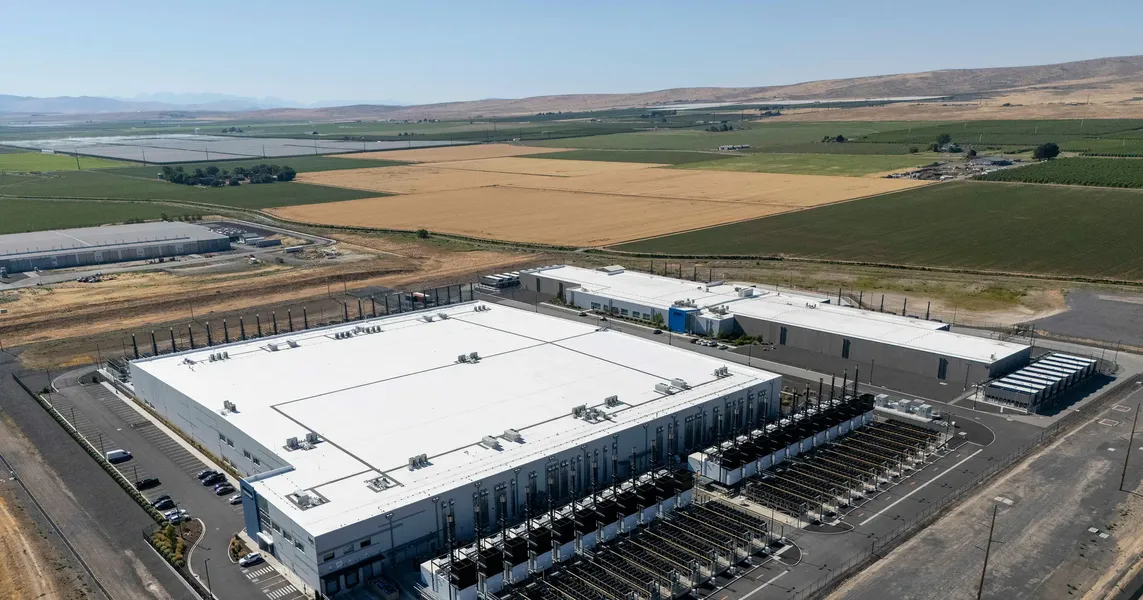
Meanwhile, AI infrastructure buildouts in Southeast Asia are booming. Real estate company JLL estimates global data center capacity could roughly double to 200GW by 2030. There are 31 planned 100MW+ data centers across Malaysia, Indonesia, and Thailand, compared to just two today. This expansion could influence latency, cost, and availability of compute for AI workloads globally, not just for Chinese firms.
Caveats and open questions
The reporting is based on media accounts and official accusations, not confirmed by all parties. Some details about specific facilities and arrangements may be contested or evolving. The actual impact of any new rules will depend on how BIS defines scope and enforceability, which remains unclear. AI builders should monitor BIS guidance and potential rule changes to understand what counts as covered compute and how KYC requirements would be enforced.
FAQs
Sources
- The U.S. banned Nvidia's best chips from going to China. Now it's trying to close a crucial loophole
- US takes step to halt Nvidia AI chip shipments to Chinese firms outside China | Reuters
- U.S. takes step to halt Nvidia AI chip shipments to Chinese firms outside China
- China allows limited Nvidia H200 shipments: Why is Beijing easing curbs? | World News - Business Standard
- China's Moonshot AI accessed banned Nvidia chips, U.S. official says
- Nvidia's AI chip sales in China stall as local chipmakers like Huawei take the lead
- China banned Nvidia’s gaming chip while CEO Jensen Huang was visiting Beijing with Trump
- White House official accuses Chinese startup of distilling Anthropic model, accessing banned Nvidia chips
- Nvidia's AI Chip Sales in China Stall, as Local Chipmakers Like Huawei Take the Lead
- Nvidia's AI chip sales in China stall, as local chipmakers like Huawei take the lead
- China's AI Firms Bypass Nvidia Chip Ban Via Cloud Loophole
- Washington just closed the loophole China used for a year
- White House official accuses Chinese startup of distilling Anthropic model, accessing banned Nvidia chips
- The U.S. Banned Nvidia's Best Chips From Going To China. Now...
- Chinese AI firms have reportedly accessed advanced Nvidia...